
LASIK in Seomyeon, Busan
LASIK is laser vision correction that reshapes the cornea under a thin flap to treat nearsightedness, farsightedness and astigmatism. In Seomyeon, Busan, eye clinics near Seomyeon Station usually run a 1–2 hour pre-op exam, then the laser itself takes about 10–15 minutes for both eyes. Most patients see clearly within 24–48 hours.
Independent patient guide · Medically informative, not a substitute for a doctor's advice · Last reviewed:
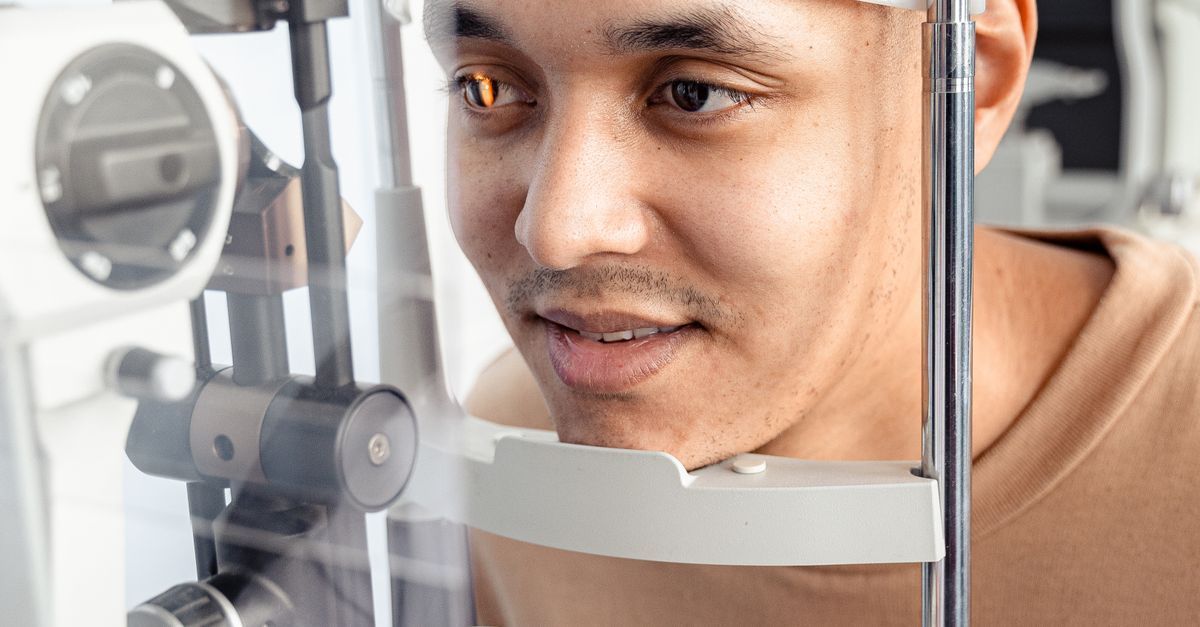
What is LASIK?
LASIK (laser-assisted in situ keratomileusis) corrects refractive errors by creating a thin hinged flap in the cornea, reshaping the tissue underneath with an excimer laser, and laying the flap back down. Because the flap protects the treated area, discomfort is usually mild and vision recovers faster than with surface procedures such as LASEK.
Who is a good candidate?
- Adults (generally 18+) whose prescription has been stable for at least a year
- Corneas thick and regular enough to create a safe flap
- No active eye disease, severe dry eye or uncontrolled autoimmune conditions
- Not pregnant or breastfeeding
If your corneas are thin or you play contact sports, the surgeon may recommend LASEK, SMILE or an ICL instead.
What happens on the day
- Detailed eye exam: corneal topography, thickness measurement, pupil size, tear film and dilated retina check.
- Consultation: the ophthalmologist reviews results and confirms the best procedure.
- Surgery: numbing drops are applied, the flap is created, and the laser reshapes the cornea in seconds per eye.
- Rest and check: a short rest, then a quick check before you go home with eye shields and drops.
Recovery timeline
Expect watering, light sensitivity and a gritty feeling for the first few hours. Most people see well enough for daily tasks the next day. Night halos and dry eyes are common for several weeks and usually improve over 3–6 months. Use prescribed antibiotic and steroid drops exactly as directed.
Risks to discuss
Possible issues include dry eye, glare or halos at night, under- or over-correction needing an enhancement, and rare flap complications. A thorough pre-op screening is the best way to reduce these risks.
Choosing a LASIK clinic in Seomyeon
- Check that surgery is performed by a board-certified ophthalmologist (안과 전문의).
- Ask which laser platforms the clinic uses and whether all screening tests are included.
- Confirm the post-op visit schedule fits your stay if you are visiting Busan.
- Ask whether an English-speaking coordinator or interpreter is available.
Getting there
Seomyeon Station is the transfer point for Busan Metro Lines 1 and 2, so most clinics in the area are a short walk from an exit. From Busan Station (KTX), take Line 1 directly to Seomyeon. From Gimhae International Airport, take the Busan-Gimhae Light Rail to Sasang, then Line 2 to Seomyeon.
Key facts
- Treats: myopia, hyperopia, astigmatism
- Procedure time: about 10–15 minutes for both eyes
- Anesthesia: numbing eye drops
- Pre-op exam: 1–2 hours, often same day or a day before
- Return to desk work: usually 1–2 days
- Avoid: swimming and eye rubbing for about 2–4 weeks
- Follow-up visits: typically day 1, week 1 and month 1
Frequently asked questions
How long does LASIK take?
The laser part takes about 10–15 minutes for both eyes, but plan for 3–4 hours at the clinic on the day including exams and rest.
Can I fly home after LASIK in Busan?
Flying is generally fine after the day-one check, but most surgeons prefer you stay for at least the first follow-up visit. Ask your clinic for its recommended schedule.
Is LASIK painful?
Numbing drops prevent pain during surgery. You may feel pressure, and the eyes can sting or water for a few hours afterward.
LASIK or LASEK — which is better?
LASIK recovers faster; LASEK avoids a flap and can suit thinner corneas or contact sports. Your corneal measurements decide which is safer for you.
Do eye clinics in Seomyeon speak English?
Many larger clinics have English-speaking staff or coordinators, but availability varies. Ask when booking.
Medical disclaimer: Seomyeon.Clinic is an independent information directory. Content is for general education and does not replace a consultation with a licensed physician. Suitability, risks, results and costs vary by person and clinic. In an emergency in Korea, call 119.