
LASEK in Seomyeon, Busan
LASEK is surface laser vision correction: the thin outer corneal layer (epithelium) is loosened and moved aside, the cornea is reshaped with an excimer laser, and a bandage contact lens protects the eye while the surface heals. In Seomyeon, eye clinics typically do a 1–2 hour screening first; the laser takes minutes, and vision usually stabilises over 1–4 weeks.
Independent patient guide · Medically informative, not a substitute for a doctor's advice · Last reviewed:
What is LASEK?
LASEK (laser-assisted sub-epithelial keratectomy, 라섹) is a form of surface ablation, closely related to PRK. Instead of cutting a flap as in LASIK, the surgeon loosens the epithelium using a dilute alcohol solution or removes it with a brush or laser (transepithelial methods), then reshapes the underlying cornea. Because there is no flap, more corneal tissue is preserved and there is no risk of flap dislocation.
Who is a good candidate?
- Adults with a stable glasses or contact lens prescription for at least a year
- People with thinner corneas that may not suit LASIK
- Those in contact sports, military or police work, where a flap could be injured
- Patients without active eye disease, severe dry eye or keratoconus
Pregnancy, breastfeeding and some autoimmune conditions are reasons to delay surgery.
What happens at the clinic
- Screening: corneal thickness and topography, refraction, pupil size, tear tests and a dilated retina exam. Soft contact lenses are usually stopped several days beforehand.
- Consultation: the ophthalmologist confirms LASEK is the safest option and explains expected recovery.
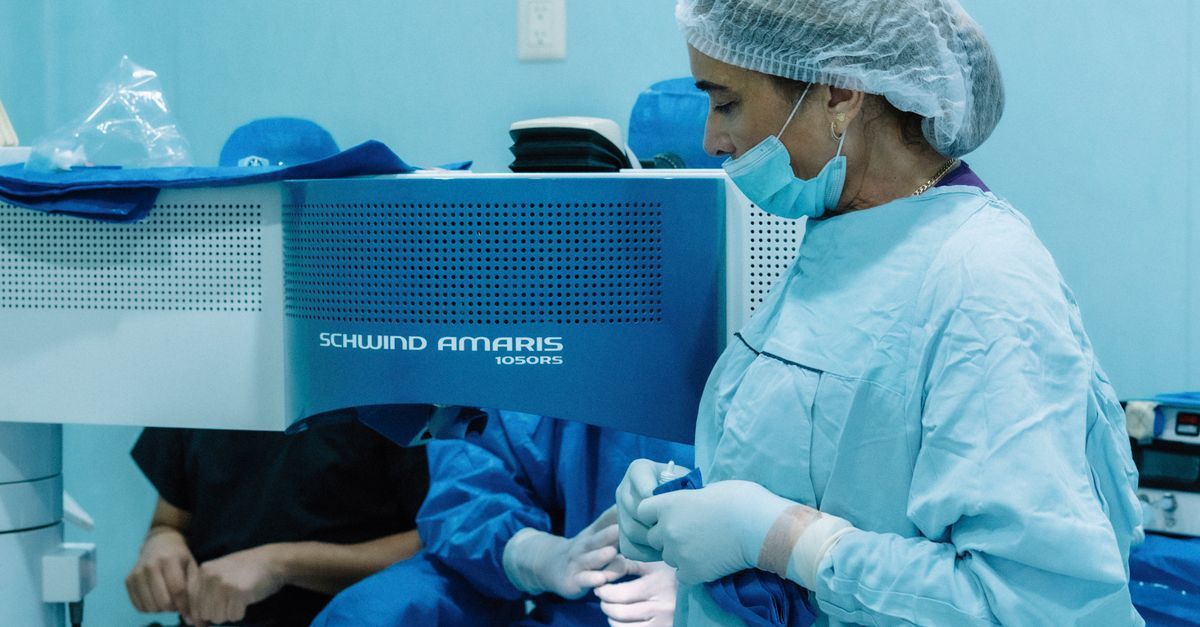
- Surgery: numbing drops, epithelium moved aside, laser reshaping in seconds to a minute per eye, then a bandage contact lens.
- Medication: antibiotic and anti-inflammatory drops are prescribed.
- Follow-up: lens removal after a few days, then checks over the following weeks and months.
Recovery and aftercare
Expect stinging, tearing and light sensitivity for the first 2–3 days while the surface regrows. Vision is often blurry in the first week and improves over 1–4 weeks, sometimes longer for higher prescriptions. Use steroid drops exactly as prescribed, wear sunglasses outdoors, avoid rubbing your eyes and avoid swimming for several weeks.
Risks and side effects
Possible issues include temporary pain, delayed epithelial healing, corneal haze (reduced by careful steroid use and UV protection), dry eye, glare or halos, and under- or over-correction needing an enhancement. Infection is rare but serious.
Choosing a clinic for LASEK in Seomyeon
- Confirm surgery is performed by a board-certified ophthalmologist (안과 전문의).
- Ask which method is used to remove the epithelium and how pain is managed in the first days.
- Ask how corneal thickness and topography results led to recommending LASEK over LASIK or SMILE.
- Ask about the follow-up schedule and steroid drop plan, since these affect haze risk.
- Check whether an English-speaking coordinator can explain drop schedules.
Planning a trip
LASEK needs more recovery time than LASIK, so plan at least a week in Busan with no sightseeing in bright sun for the first days. Seomyeon is a short ride on Line 1 from Busan Station.
Key facts
- Treats: myopia, hyperopia, astigmatism
- Flap: none; surface treatment
- Procedure time: about 10–20 minutes for both eyes
- Anesthesia: numbing eye drops
- Discomfort: often notable for the first 2–3 days
- Bandage lens: usually removed after about 3–7 days
- Typical NHI coverage: not covered (elective refractive surgery)
Frequently asked questions
How long is recovery after LASEK?
The surface usually heals in 3–7 days, when the bandage lens is removed. Functional vision often returns within one to two weeks, with sharpness continuing to improve over several weeks.
Is LASEK more painful than LASIK?
Usually yes. The surgery itself is painless with numbing drops, but the first two or three days after LASEK can be uncomfortable while the surface heals.
LASEK or LASIK: which is safer?
Both are well established. LASEK avoids flap-related risks and preserves more cornea, while LASIK recovers faster. Your corneal measurements and lifestyle determine the safer option.
Can I fly home soon after LASEK?
Many surgeons prefer you stay until the bandage lens is removed and the surface has healed, typically about a week. Confirm the schedule with your clinic.
Is LASEK covered by insurance in Korea?
No. LASEK is elective refractive surgery and is not covered by Korean National Health Insurance.
Medical disclaimer: Seomyeon.Clinic is an independent information directory. Content is for general education and does not replace a consultation with a licensed physician. Suitability, risks, results and costs vary by person and clinic. In an emergency in Korea, call 119.