
Children's Eye Exam in Seomyeon, Busan
A children's eye exam checks vision, eye alignment, focusing and eye health to catch problems such as nearsightedness, lazy eye (amblyopia) and strabismus early. At Seomyeon eye clinics, a visit typically includes age-appropriate vision tests, an alignment check and often cycloplegic drops to measure the true prescription, taking about 1–2 hours. Blurry near vision from the drops can last several hours.
Independent patient guide · Medically informative, not a substitute for a doctor's advice · Last reviewed:
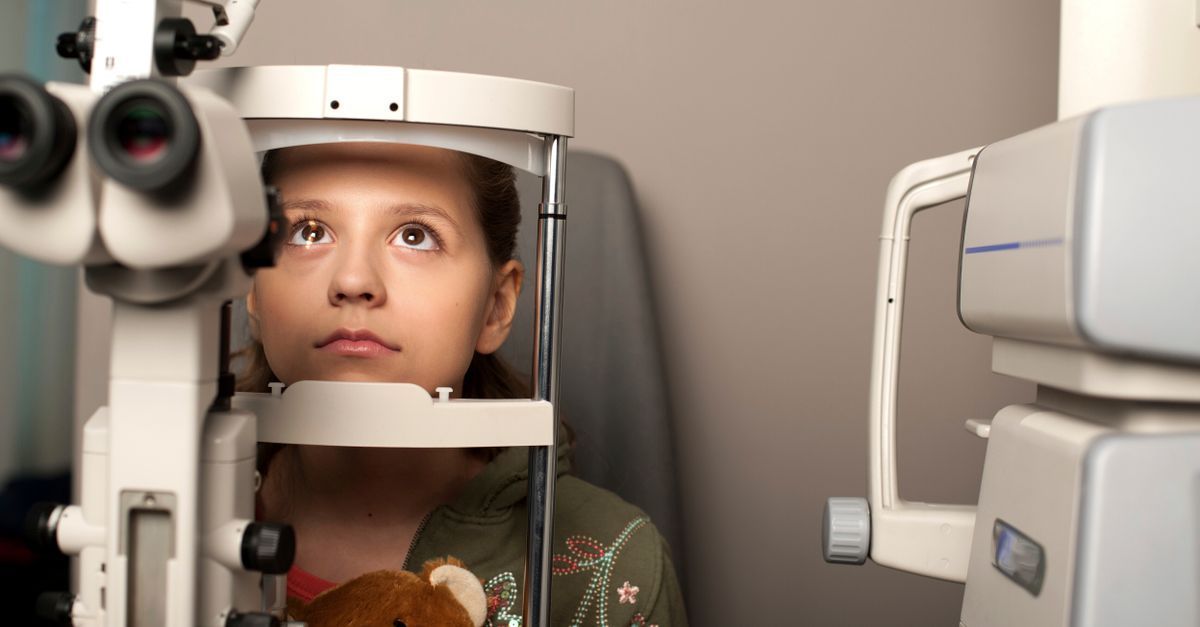
Why children's eye exams matter
Young children rarely complain about poor vision because they assume everyone sees the same way. Yet early childhood is the critical period for visual development: conditions like amblyopia respond much better to treatment when caught young. Nearsightedness (myopia) is also very common among school-age children in East Asia and tends to progress during growth, so regular checks help guide glasses and myopia control decisions.
Signs your child may need an eye exam
- Squinting, sitting very close to the TV or holding books near the face
- An eye turning in or out, or closing one eye in sunlight
- Frequent eye rubbing, headaches or tiredness after reading
- Head tilting or covering one eye
- Difficulty seeing the board at school
- A white or unusual reflection in the pupil in photos (needs prompt review)
What happens at the clinic
- History: birth history, family history of glasses, lazy eye or squint, and school concerns.
- Vision tests: picture or letter charts adapted to age.
- Alignment and movement: cover tests and eye movement checks.
- Cycloplegic refraction: drops relax the focusing muscle so the true prescription can be measured, especially important for detecting hidden farsightedness.
- Eye health check: the front and back of the eye are examined; axial length may be measured for myopia monitoring.
After the exam
Drops can make near vision blurry and light uncomfortable for several hours, sometimes until the next day with certain drops, so plan a quiet afternoon. If glasses are prescribed, wearing them consistently is key, especially for treating amblyopia.
Treatment outlook
Most childhood vision problems are well managed with glasses, patching or myopia control. Early detection gives the best chance for normal visual development.
Choosing a clinic for a children's eye exam in Seomyeon
- Look for an ophthalmologist experienced with children, ideally with pediatric subspecialty training.
- Ask whether cycloplegic refraction is part of the first exam.
- Ask whether axial length measurement is available if your child is nearsighted.
- Ask about after-school or weekend appointments.
- For foreign families, ask whether the doctor can explain results in English.
Practical tips
Bring sunglasses or a hat for after the drops. Seomyeon is reachable by metro Lines 1 and 2, easing travel with children.
Key facts
- Checks: visual acuity, refraction, alignment, depth perception, eye health
- Common findings: myopia, astigmatism, farsightedness, amblyopia, strabismus
- Cycloplegic drops: relax focusing for accurate prescription
- Visit length: about 1–2 hours with drops
- After drops: light sensitivity and blurry near vision for hours
- Myopia follow-up: often every 6 months in growing children
Frequently asked questions
When should my child have their first eye exam?
Many eye doctors recommend checks in infancy if problems are suspected, and a full exam around ages 3–5, before school. Earlier if you notice an eye turn or other concerns.
Why are dilating drops used in children's eye tests?
Children's focusing muscles are strong and can hide farsightedness. Cycloplegic drops relax focusing so the true prescription can be measured accurately.
How often should a nearsighted child have eye checks?
Often every six months during school years, because myopia tends to progress with growth. Your doctor may also track eye length.
Can lazy eye be treated?
Yes, especially in younger children, using glasses, patching or atropine drops. Treatment is most effective when started early.
Does screen time cause myopia in children?
Prolonged near work and limited time outdoors are associated with myopia development. Spending time outdoors daily is commonly recommended to help reduce risk.
Medical disclaimer: Seomyeon.Clinic is an independent information directory. Content is for general education and does not replace a consultation with a licensed physician. Suitability, risks, results and costs vary by person and clinic. In an emergency in Korea, call 119.