
Strabismus Treatment in Seomyeon, Busan
Strabismus treatment corrects eyes that do not point in the same direction, such as an inward turn (esotropia) or outward drift (exotropia). At Seomyeon eye clinics, assessment includes alignment measurements and a vision check for lazy eye. Treatment may involve glasses, patching, prisms or eye muscle surgery, which is usually a day procedure under general anesthesia for children.
Independent patient guide · Medically informative, not a substitute for a doctor's advice · Last reviewed:
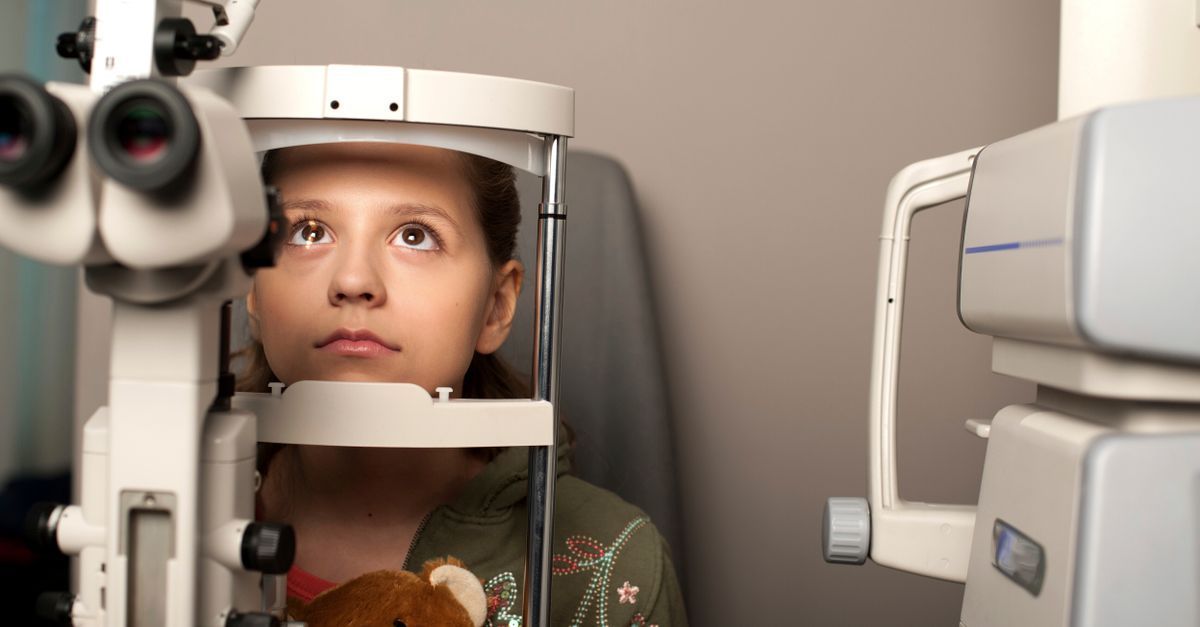
What is strabismus?
Strabismus (사시) is a misalignment of the eyes caused by imbalance in the muscles that move them or in the brain's control of those muscles. In children, it can lead to amblyopia (lazy eye), where the brain ignores one eye, and to poor depth perception. In adults, new strabismus can cause double vision and may signal nerve, thyroid or neurological conditions that need investigation.
Symptoms and when to see a doctor
- One eye turning in, out, up or down, constantly or at times
- A child closing one eye in bright sunlight (common with intermittent exotropia)
- Head tilting or turning to see
- Double vision in adults
- Eye strain or difficulty with reading
Sudden double vision in an adult, especially with headache, drooping eyelid or weakness, needs urgent assessment; call 119 if stroke is suspected.
What happens at the clinic
- Vision and refraction: often with dilating drops in children to measure true prescription.
- Alignment measurement: prism cover tests at near and distance.
- Binocular function: depth perception and eye movement testing.
- Non-surgical treatment: glasses, patching or atropine drops for amblyopia, prisms for some adults.
- Surgery if needed: one or more eye muscles are repositioned through small incisions in the conjunctiva; the eye is not removed.
Recovery and aftercare
After surgery, the eye is red and may feel scratchy for one to two weeks. Drops are used to prevent infection and inflammation. Children usually return to school within a few days; swimming is avoided for a couple of weeks. Glasses and patching may continue afterwards.
Risks and side effects
Over- or under-correction may require further surgery; strabismus can recur over time. Temporary double vision is possible after surgery in adults. Infection and anesthesia-related risks are uncommon.
Choosing a clinic for strabismus treatment in Seomyeon
- Look for a pediatric ophthalmology and strabismus specialist, especially for children.
- Ask whether amblyopia will be treated before or alongside surgery.
- Ask about timing of surgery for intermittent exotropia and the chance of needing more than one operation.
- For adults with double vision, ask whether underlying causes have been investigated.
- Confirm anesthesia arrangements and follow-up schedule.
Family planning
Strabismus care often needs several visits over months. Seomyeon's location at the Line 1 and 2 interchange helps families reach appointments from across Busan.
Key facts
- Types: esotropia (in), exotropia (out), hypertropia (up/down); constant or intermittent
- Common in Korea: intermittent exotropia in children
- Non-surgical: glasses, patching or drops for amblyopia, prisms, exercises for some types
- Surgery: adjusting eye muscle position; about 30–90 minutes
- Anesthesia: general for children; sometimes local for adults
- Recovery: redness for 1–2 weeks; school or work in a few days
Frequently asked questions
Can strabismus be treated without surgery?
Some types improve with glasses, patching or prisms, especially when related to farsightedness. Many cases of constant or large-angle strabismus need surgery for alignment.
What age is best for strabismus surgery?
It depends on the type. Some infantile forms are treated early, while intermittent exotropia is often monitored and operated on when control worsens. A specialist will advise on timing.
Is strabismus surgery safe for children?
It is a common, generally safe procedure done under general anesthesia. Risks include under- or over-correction and the need for further surgery.
Can adults have strabismus surgery?
Yes. Adults can benefit from improved alignment, reduced double vision and better appearance, even if the condition has existed since childhood.
Will my child grow out of a turned eye?
True strabismus usually does not resolve on its own, and untreated it can lead to lazy eye. Early assessment is important.
Medical disclaimer: Seomyeon.Clinic is an independent information directory. Content is for general education and does not replace a consultation with a licensed physician. Suitability, risks, results and costs vary by person and clinic. In an emergency in Korea, call 119.