
IPL for Dry Eye in Seomyeon, Busan
IPL for dry eye uses intense pulsed light on the skin below the eyes to reduce inflammation and abnormal blood vessels around the eyelids, helping blocked meibomian oil glands work better. At Seomyeon eye clinics, a session takes about 15–20 minutes with eye shields in place, often followed by gland expression. A typical course is about 3–4 sessions a few weeks apart.
Independent patient guide · Medically informative, not a substitute for a doctor's advice · Last reviewed:
What is IPL for dry eye?
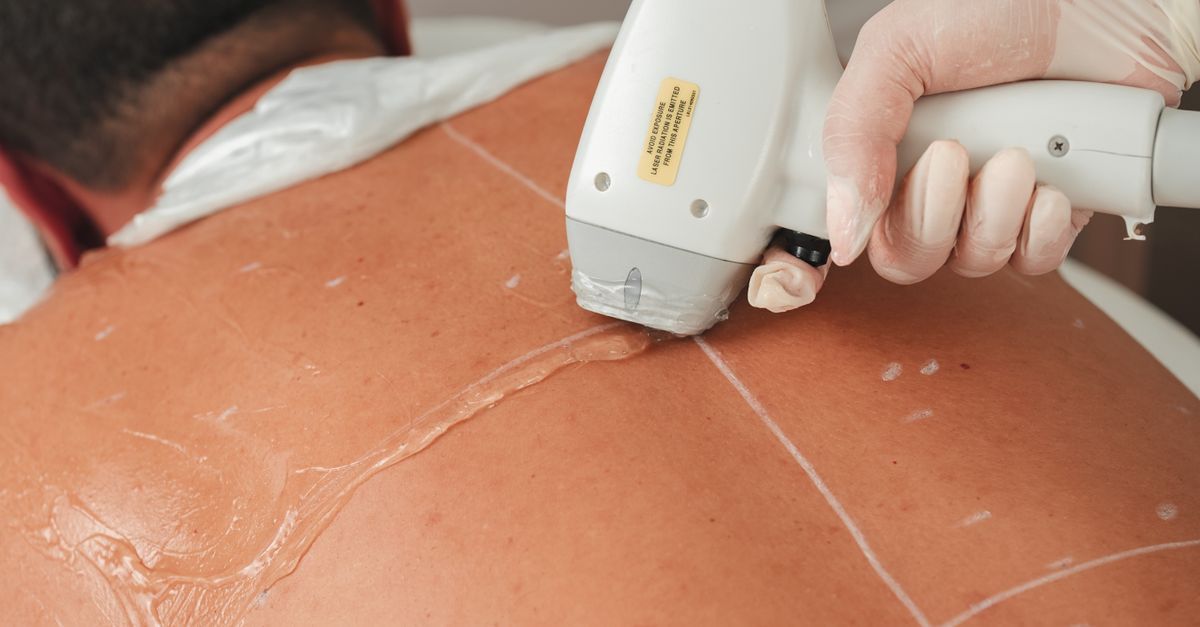
Intense pulsed light (IPL) was first used in dermatology for redness and rosacea. Eye doctors noticed that patients treated for facial rosacea often reported better dry eye symptoms. IPL is now used for meibomian gland dysfunction: light pulses are applied to the cheeks and lower eyelid region, thought to reduce inflammatory blood vessels, warm and soften gland secretions, and reduce bacteria and mites on the lid margin.
Who is it for?
- People with evaporative dry eye due to MGD who have not improved enough with warm compresses and drops
- Those with ocular rosacea or lid margin redness
- Patients preparing for refractive or cataract surgery with poor oil gland function
IPL may not suit people with darker skin types (higher risk of pigment change), recent sun tanning, light-sensitive conditions, photosensitising medications, or active skin lesions in the area.
What happens at the clinic
- Assessment: dry eye tests and gland evaluation confirm MGD; skin type is assessed.
- Preparation: makeup removed, protective shields placed over the eyes, cooling gel applied.
- Light pulses: a series of flashes is delivered across the cheeks and lower lid area.
- Gland expression: the doctor may gently press the eyelids to clear thickened oil.
- Repeat sessions: usually 3–4 sessions spaced a few weeks apart.
Recovery and aftercare
Mild warmth or redness may last a few hours. Use sunscreen and avoid strong sun exposure on treated skin for a while. Continue warm compresses, lid hygiene and prescribed drops, as IPL works best as part of a combined plan.
Risks and side effects
Potential side effects include temporary redness, swelling, blistering or pigment change in the skin, and loss of fine facial hair in the treated area. Proper eye shielding protects the eyes themselves; treatment is not applied directly over the eyeball.
Choosing a clinic for IPL dry eye in Seomyeon
- Ask whether IPL is supervised by an ophthalmologist who confirmed MGD first.
- Ask which IPL device is used and how settings are adjusted for your skin type.
- Ask whether gland expression is included in each session.
- Ask how improvement will be measured, such as tear break-up time or gland imaging.
- Confirm the session schedule fits your time in Busan.
Timing your visits
Because IPL needs several sessions weeks apart, it suits residents or repeat visitors. Seomyeon's metro hub keeps each short session convenient.
Key facts
- Treats: evaporative dry eye from meibomian gland dysfunction (MGD)
- Session time: about 15–20 minutes
- Course: commonly 3–4 sessions, 2–4 weeks apart
- Anesthesia: not needed; protective eye shields used
- Downtime: none; mild warmth or redness briefly
- Often combined with: meibomian gland expression
- Maintenance: periodic top-up sessions may be advised
Frequently asked questions
Does IPL for dry eye hurt?
Most people feel a quick warm snap with each flash. Cooling gel makes it tolerable, and no anesthesia is needed.
How many IPL sessions do I need for dry eye?
A typical course is about 3–4 sessions, two to four weeks apart. Some people need periodic maintenance sessions afterwards.
When will I notice improvement after IPL?
Some feel better after the first or second session, but benefits often build over the course. Results vary between individuals.
Is IPL safe for the eyes?
When performed with proper eye shields and appropriate settings, IPL is considered safe. Light is applied to the skin below the eyes, not directly into the eye.
Can IPL replace eye drops?
IPL usually complements rather than replaces home care and drops. Many people can reduce drop use after a successful course, but lid hygiene remains important.
Medical disclaimer: Seomyeon.Clinic is an independent information directory. Content is for general education and does not replace a consultation with a licensed physician. Suitability, risks, results and costs vary by person and clinic. In an emergency in Korea, call 119.