
Dental Implants in Seomyeon, Busan
Dental implants are titanium or zirconia posts placed in the jawbone to replace the root of a missing tooth, later topped with a crown. At dental clinics in Seomyeon, treatment usually starts with a CT scan and consultation, followed by a short surgery under local anesthesia. The bone typically needs about 2–6 months to heal before the final crown is fitted.
Independent patient guide · Medically informative, not a substitute for a doctor's advice · Last reviewed:
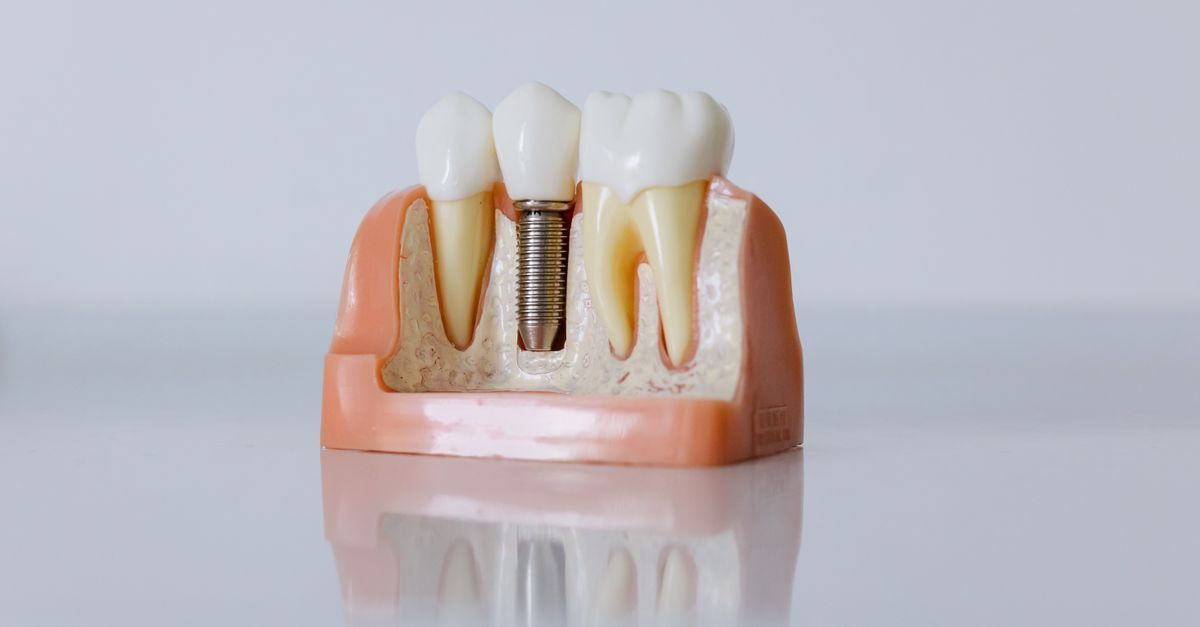
What is a dental implant?
A dental implant is a small screw-shaped post, usually made of titanium, that is placed into the jawbone where a tooth is missing. Over the following weeks the bone grows tightly around the surface, a process called osseointegration. Once the implant is stable, a connector (abutment) and a custom crown are attached, giving you a tooth that looks and chews much like a natural one.
Unlike a bridge, an implant does not require grinding down the neighbouring teeth, and unlike a removable denture it stays fixed in place.
Who is it for?
- Adults missing one or more teeth because of decay, gum disease, injury or a failed root canal
- People with enough healthy jawbone, or who are willing to have a bone graft first
- Patients whose gums are healthy, or who will treat gum disease before surgery
Heavy smoking, uncontrolled diabetes, some bone medications and past radiation to the jaw can affect healing, so tell the dentist about your full medical history.
What happens at the clinic
- Assessment: an oral exam, panoramic X-ray and usually a cone-beam CT scan to measure bone height, width and nerve position.
- Treatment plan: the dentist explains implant position, whether grafting is needed and the expected timeline.
- Implant placement: under local anesthesia the gum is opened, a precise channel is drilled and the implant is inserted. Some clinics use a printed surgical guide.
- Healing phase: the implant integrates with the bone, typically over 2–6 months; a temporary tooth may be provided.
- Impressions and crown: once stable, the abutment is attached and a crown (often zirconia or porcelain) is made and fitted.
Recovery and aftercare
Mild swelling, bruising and soreness are common for a few days and are usually controlled with prescribed or over-the-counter pain relief. Eat soft food, avoid chewing on the area, do not smoke and keep the site clean as instructed. Stitches are often removed after about 7–10 days. Long term, brush and clean between teeth carefully and attend regular check-ups, because gum inflammation around implants (peri-implantitis) can cause bone loss.
Risks and side effects
Possible complications include infection, implant failure to integrate, nerve irritation causing numbness in the lip or chin, sinus problems with upper back implants, and gum recession. Careful CT-based planning and good hygiene reduce these risks.
Choosing a clinic for dental implants in Seomyeon
- Ask whether the surgeon is a board-certified specialist (e.g. oral and maxillofacial surgery or periodontics) or an experienced general dentist, and how many implants they place routinely.
- Confirm that a CT scan is part of planning and ask to see where the implant will sit.
- Ask which implant system is used and whether parts are widely available if you need maintenance in your home country.
- Get the full schedule in writing, including how many visits are needed and the minimum gap between surgery and crown.
- Check whether staff can explain aftercare instructions in English or another language you are comfortable with.
For visitors to Busan
Because implants need a healing period, they rarely fit a single short trip. Many international patients plan two visits several months apart. Seomyeon is easy to reach on Metro Line 1 from Busan Station or Line 2 via Sasang from Gimhae Airport.
Key facts
- Replaces: one or more missing teeth
- Surgery time: usually 30–90 minutes per implant
- Anesthesia: local anesthesia; sedation optional at some clinics
- Healing before crown: typically 2–6 months
- Visits: usually 3–6 across the whole process
- Lifespan: can last many years with good hygiene and check-ups
Frequently asked questions
How long does the whole dental implant process take?
From the first CT scan to the final crown it usually takes about 2–6 months. Bone grafting or sinus lifts can extend this. The surgery itself is short, but the bone needs time to bond to the implant before it can bear chewing forces.
Does getting a dental implant hurt?
Local anesthesia means you should feel pressure but not sharp pain during surgery. Afterwards, soreness and swelling for a few days are common and are usually manageable with prescribed pain relief and cold compresses.
Are dental implants covered by Korean National Health Insurance?
Korea's NHI covers many medical treatments, but implants are usually paid privately and any coverage depends on strict eligibility conditions. Short-term visitors are not enrolled in NHI. Ask the clinic to confirm in writing what applies to you before starting.
Can I get dental implants on a short trip to Busan?
Usually not completely. Placement can be done in one visit, but the crown is normally fitted after a healing period of months. Many visitors return for a second trip, or discuss immediate-load options if their bone quality allows.
Implant vs bridge: which is better?
An implant replaces the root and leaves neighbouring teeth untouched, while a bridge is faster but requires shaping adjacent teeth. The right choice depends on bone, gum health, adjacent teeth and timing.
Medical disclaimer: Seomyeon.Clinic is an independent information directory. Content is for general education and does not replace a consultation with a licensed physician. Suitability, risks, results and costs vary by person and clinic. In an emergency in Korea, call 119.