
All-on-4 Full-Arch Implants in Seomyeon, Busan
All-on-4 full-arch implants replace a whole upper or lower row of teeth with a fixed bridge supported by four implants, two of them usually angled to avoid grafting. In Seomyeon, treatment typically begins with a CT scan and planning visit, then surgery under local anesthesia or sedation, often with temporary fixed teeth the same or next day. The final bridge usually follows after 3–6 months.
Independent patient guide · Medically informative, not a substitute for a doctor's advice · Last reviewed:
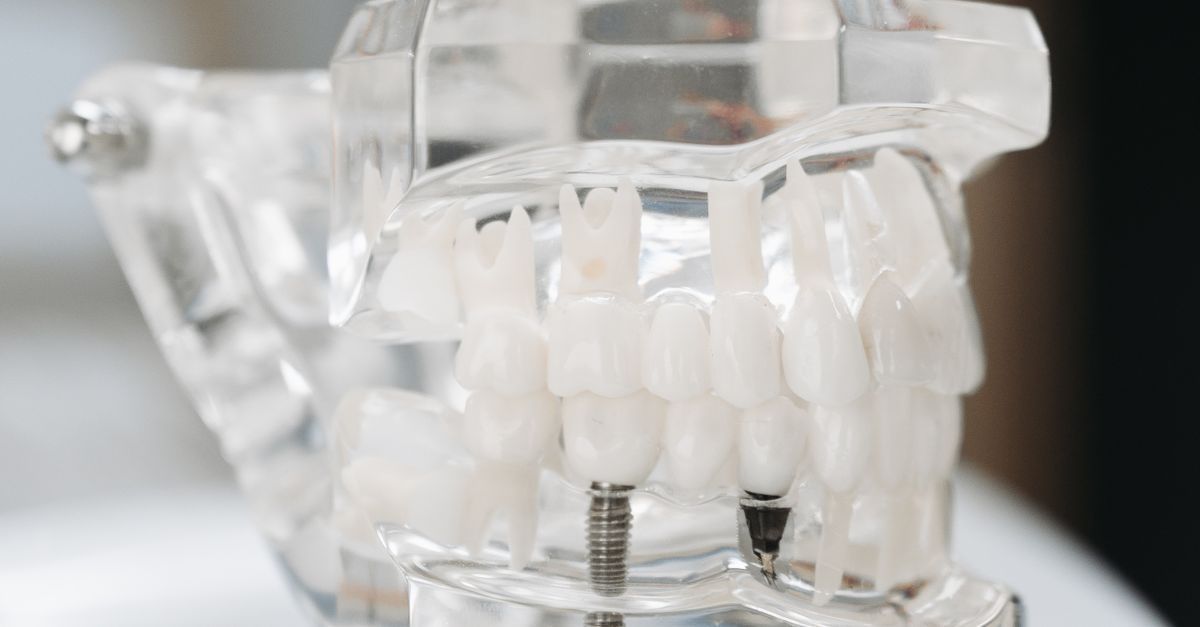
What are All-on-4 implants?
All-on-4 is a full-arch technique in which four implants support a fixed bridge of 10–14 teeth. The two front implants are placed upright, while the two back implants are tilted to make use of denser bone at the front of the jaw. This angling often allows treatment without major bone grafts or sinus lifts, which many patients with long-term tooth loss would otherwise need.
The bridge is screwed onto the implants and is not removed by the patient, which is the key difference from a conventional denture.
Who is it for?
- Adults who have lost most or all teeth in one jaw
- People whose remaining teeth are failing from severe gum disease or decay
- Denture wearers frustrated by looseness, sore spots or poor chewing
- Patients with reduced bone at the back of the jaw who want to avoid extensive grafting
Very low bone volume, uncontrolled diabetes, heavy smoking or certain bone medications may make other approaches safer.
What happens at the clinic
- Diagnosis: cone-beam CT, photos, bite records and a medical review, including blood thinners and bone medications.
- Digital planning: the team plans implant angles and the shape of the new teeth.
- Surgery day: any remaining failing teeth are removed, infected tissue is cleaned and four implants are placed, frequently under sedation.
- Temporary bridge: if the implants are stable enough, a lightweight fixed temporary bridge is attached within about 1–3 days.
- Final bridge: after healing, new impressions are taken and a stronger final bridge (often zirconia or a metal-reinforced acrylic) is fitted.
Recovery and aftercare
Swelling and bruising usually peak at 2–3 days. A soft diet is needed for several weeks while the implants integrate; your dentist will tell you when to progress to firmer food. Cleaning under the bridge with a water flosser or special brushes is essential, and regular professional maintenance helps protect the implants.
Risks and side effects
Risks include infection, failure of one implant (which can compromise the bridge), fracture of the temporary bridge, speech changes while adjusting, and peri-implantitis over time. Bruxism (tooth grinding) increases strain, so a night guard may be advised.
Choosing a clinic for All-on-4 in Seomyeon
- Ask how many full-arch cases the surgeon and prosthodontic team handle and whether surgery and bridge-making happen in-house.
- Confirm whether sedation is available and who monitors it.
- Ask what material the final bridge is made of and how repairs are handled.
- Request a clear timeline showing when temporary and final teeth are fitted.
- Check that written aftercare and cleaning instructions are available in a language you understand.
Planning a trip
All-on-4 needs at least two stays in Busan, months apart, plus follow-up. Seomyeon's location at the Line 1 and Line 2 interchange makes repeat visits simple to fit around accommodation elsewhere in the city.
Key facts
- Replaces: all teeth in one jaw (upper or lower)
- Implants per arch: four (some plans use five or six)
- Surgery time: usually 2–4 hours per arch
- Anesthesia: local anesthesia, commonly with IV sedation
- Temporary teeth: often fitted within 1–3 days if implants are stable
- Final bridge: typically after 3–6 months of healing
- Maintenance: professional cleaning and checks at least yearly
Frequently asked questions
How long does All-on-4 treatment take from start to finish?
Surgery and temporary teeth usually happen within a few days, but the final bridge is typically fitted after 3–6 months of healing. Overall, expect at least two treatment periods and several check-ups.
Is All-on-4 the same as dentures?
No. A conventional denture is removable and rests on the gums. An All-on-4 bridge is fixed to implants and is only removed by the dentist for maintenance.
Can I eat normally with All-on-4?
After healing, most people chew far better than with dentures. During the first months a soft diet is required so the implants can integrate without excessive force.
Do I need a bone graft for All-on-4?
Often not, because the back implants are angled into denser front bone. However, CT findings decide this, and some patients still need grafting or more implants.
Is All-on-4 covered by insurance in Korea?
Full-arch implant bridges are generally paid privately. Any insurance contribution depends on strict eligibility rules, and short-term visitors are not enrolled in NHI, so ask the clinic to confirm what applies to you before treatment.
Medical disclaimer: Seomyeon.Clinic is an independent information directory. Content is for general education and does not replace a consultation with a licensed physician. Suitability, risks, results and costs vary by person and clinic. In an emergency in Korea, call 119.