
Dentures in Seomyeon, Busan
Dentures (틀니) are removable replacements for missing teeth, available as full dentures for a whole arch, partial dentures that clip onto remaining teeth, or implant-supported overdentures. At Seomyeon dental clinics, making a denture typically takes 3–5 visits over several weeks for impressions, bite records, a try-in and fitting, followed by adjustment visits while your mouth adapts.
Independent patient guide · Medically informative, not a substitute for a doctor's advice · Last reviewed:
What are dentures?
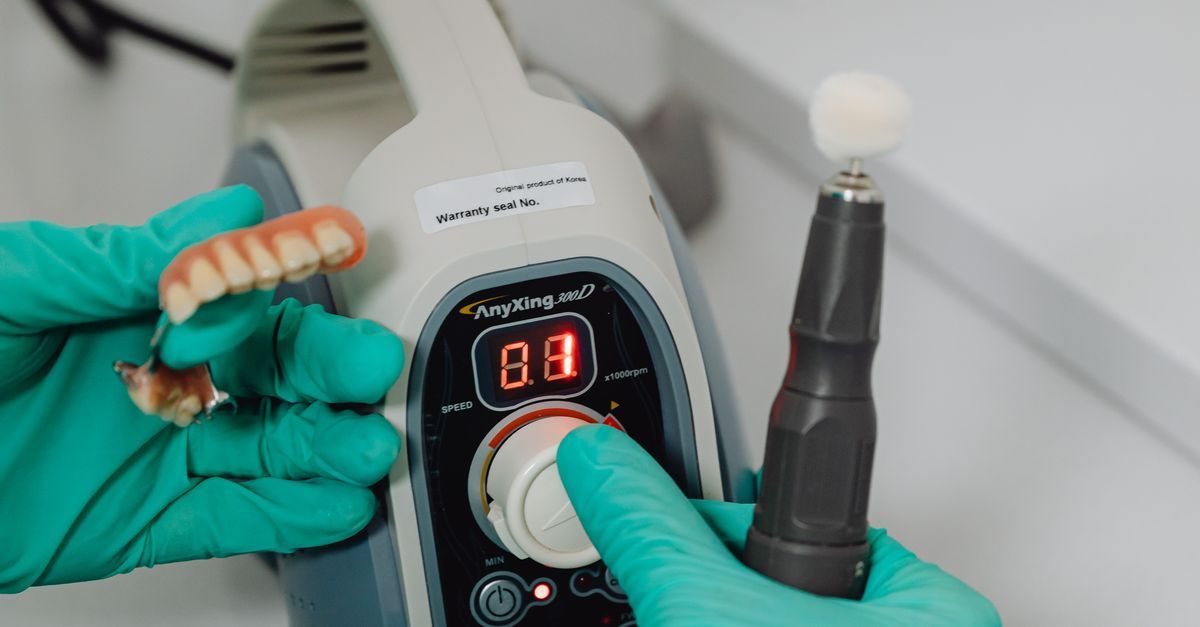
Dentures are removable appliances made of an acrylic base that resembles gum tissue, with artificial teeth attached. A complete denture replaces all teeth in the upper or lower jaw and is held by suction and the shape of the gums. A partial denture fills gaps between remaining natural teeth using clasps or attachments, often with a thin metal frame for strength. An implant overdenture snaps onto two or more implants, improving stability, particularly for the lower jaw.
Who is it for?
- People missing many or all teeth who want an affordable, non-surgical option
- Those whose health or bone does not suit multiple implants
- Existing denture wearers whose old denture is loose, broken or worn
What happens at the clinic
- Examination: remaining teeth and gums are assessed; any decayed teeth may need treatment or removal first.
- Impressions: preliminary and then detailed impressions capture the shape of your mouth.
- Bite registration: wax rims record jaw relationship, lip support and tooth length.
- Try-in: teeth set in wax let you and the dentist check appearance, speech and bite before final processing.
- Delivery and adjustment: the finished denture is fitted, and sore spots are adjusted over follow-up visits.
Recovery and aftercare
Expect some extra saliva, sore spots and awkward speech at first. Start with soft food cut into small pieces and chew on both sides. Remove dentures at night to rest your gums unless advised otherwise, clean them daily with a denture brush and cleanser (not regular toothpaste, which can scratch), and store them in water. Over the years the jaw changes shape, so relining or replacement will be needed.
Risks and side effects
Poorly fitting dentures can cause sore spots, ulcers, fungal infection (denture stomatitis) and gradual bone loss. Partial denture clasps can trap plaque around supporting teeth, so good hygiene is important. Persistent mouth ulcers should always be checked by a dentist.
Choosing a clinic for dentures in Seomyeon
- Ask whether a try-in stage is included before the denture is finalised.
- Ask about implant-retained options if lower denture stability is a concern.
- For partials, ask whether a metal-frame or flexible design suits your remaining teeth.
- Ask how many adjustment visits are included and how soon after fitting they are scheduled.
- If a family member helps with care, check that instructions are clear and available in English.
Getting to appointments
Several visits are needed, so a clinic on an easy route matters. Seomyeon Station connects Lines 1 and 2, reducing transfers for repeat appointments.
Key facts
- Replaces: several or all missing teeth
- Types: complete, partial (metal-frame or flexible), implant-retained overdenture
- Visits: usually 3–5 over several weeks
- Anesthesia: not needed unless extractions are required
- Adjustment period: commonly a few weeks to get used to speaking and eating
- Relining: needed periodically as gums and bone change
Frequently asked questions
How long does it take to make dentures?
Usually several weeks across 3–5 visits for impressions, bite records, try-in and fitting. Immediate dentures can be made in advance and fitted on the day teeth are extracted.
How long does it take to get used to new dentures?
Most people adapt over a few weeks. Speaking and eating feel awkward at first, and sore spots are common; adjustment visits make a big difference.
Should I sleep with my dentures in?
Most dentists advise removing them at night so the gums can rest and to reduce the risk of fungal infection. Follow your dentist's specific advice.
Are implant-supported dentures better?
Implant overdentures are more stable, especially for the lower jaw, and improve chewing. They require surgery and healing time, so they suit people with adequate bone and general health.
Are dentures covered by Korean health insurance?
Any NHI contribution toward dentures depends on strict eligibility conditions, and many patients pay privately. Short-term visitors are not enrolled in NHI. Ask the clinic what applies to you before treatment.
Medical disclaimer: Seomyeon.Clinic is an independent information directory. Content is for general education and does not replace a consultation with a licensed physician. Suitability, risks, results and costs vary by person and clinic. In an emergency in Korea, call 119.