
Gum Disease (Periodontal) Treatment in Seomyeon, Busan
Gum disease (periodontal) treatment controls bacterial infection of the gums and the bone supporting the teeth, from early gingivitis to advanced periodontitis. At Seomyeon dental clinics, it usually starts with pocket measurements and X-rays, then deep cleaning (root planing) under local anesthesia over one or more visits. Healing is reassessed after several weeks, with regular maintenance cleanings afterwards.
Independent patient guide · Medically informative, not a substitute for a doctor's advice · Last reviewed:
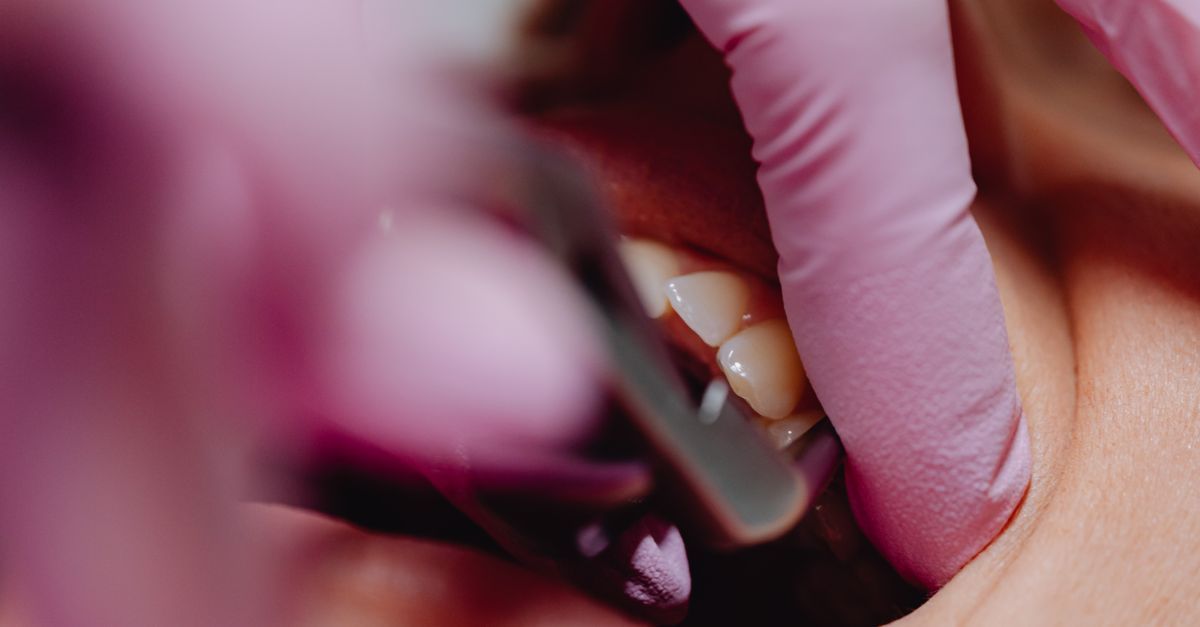
What is gum disease?
Gum disease begins when plaque bacteria along the gumline inflame the gums (gingivitis). If not controlled, the inflammation can spread deeper, destroying the ligament and bone that hold teeth in place. This is periodontitis (치주염). Pockets form between gum and tooth, trapping more bacteria, and teeth can eventually loosen. Gum disease is largely painless, so many people do not notice it until it is advanced.
Symptoms and when to see a dentist
- Gums that bleed when brushing or flossing
- Red, swollen or tender gums
- Persistent bad breath or bad taste
- Gums pulling back, making teeth look longer
- Loose teeth or changes in your bite
Smoking, diabetes, stress and genetics increase risk. Research also links periodontitis with broader health issues such as poorly controlled diabetes, so treatment matters beyond the mouth.
What happens at the clinic
- Periodontal exam: a probe measures pocket depths around each tooth, and X-rays show bone levels.
- Diagnosis and plan: the dentist explains the stage of disease and which areas need treatment.
- Deep cleaning: under local anesthesia, tartar and bacteria are removed from root surfaces and the roots are smoothed, often one section of the mouth at a time.
- Home care coaching: brushing technique and interdental brushes are tailored to your gaps.
- Re-evaluation: after several weeks, pockets are re-measured. Deep persisting pockets may need gum surgery or regenerative treatment.
Treatment outlook
Gingivitis is usually reversible with cleaning and good home care. Periodontitis can be controlled and stabilised, but lost bone does not usually grow back on its own. Long-term success depends on regular maintenance visits and daily cleaning between teeth.
Risks and side effects
After deep cleaning, gums may be sore for a few days and teeth sensitive to cold. As swelling settles, gums often shrink, which can make gaps between teeth more visible. Surgical procedures carry the usual risks of swelling, bleeding and infection.
Choosing a clinic for gum treatment in Seomyeon
- Ask whether a full pocket chart is recorded, so progress can be measured.
- For moderate or advanced disease, ask whether a periodontist (치주과 전문의) is involved.
- Ask how many sessions are planned and whether local anesthesia is used.
- Ask what maintenance schedule is recommended and whether records can be shared with your dentist at home.
- Make sure home-care instructions are explained clearly in a language you understand.
Local tip
Initial gum therapy needs a few appointments over several weeks, which suits residents better than short-stay visitors. Seomyeon's metro interchange makes regular maintenance visits convenient.
Key facts
- Treats: gingivitis, periodontitis, gum pockets, bone loss around teeth
- Main treatment: scaling and root planing (deep cleaning)
- Anesthesia: local anesthesia for deep cleaning
- Visits: often 2–4 for initial therapy, then re-evaluation
- Advanced options: flap surgery, regenerative procedures, gum grafts
- Maintenance: cleanings every 3–6 months
- Typical NHI coverage: periodontal therapy is generally NHI-covered for enrolled patients
Frequently asked questions
Can gum disease be cured?
Gingivitis can usually be reversed. Periodontitis can be controlled and stabilised but needs lifelong maintenance, because the bacteria return and lost bone does not normally regenerate on its own.
Is deep cleaning painful?
Local anesthesia is normally used, so the procedure should not be painful. Gums may ache and teeth may feel sensitive for a few days afterwards.
What is the difference between scaling and root planing?
Routine scaling removes tartar above and just below the gumline. Root planing cleans and smooths deeper root surfaces inside gum pockets, which is needed for periodontitis.
How often do I need cleanings after gum treatment?
Many people need maintenance every 3–6 months, depending on pocket depths, risk factors such as smoking or diabetes, and how well home cleaning goes.
Is gum disease treatment covered by Korean health insurance?
Periodontal therapy is generally covered by NHI for enrolled patients, though some surgical or regenerative materials may cost extra. Visitors without NHI pay privately.
Medical disclaimer: Seomyeon.Clinic is an independent information directory. Content is for general education and does not replace a consultation with a licensed physician. Suitability, risks, results and costs vary by person and clinic. In an emergency in Korea, call 119.