
Scaling & Teeth Cleaning in Seomyeon, Busan
Scaling and teeth cleaning (스케일링) is the professional removal of plaque and hardened tartar from above and just below the gumline. At Seomyeon dental clinics it is usually a 30–60 minute appointment using ultrasonic and hand instruments, followed by polishing and home-care advice. There is no downtime, though gums may feel tender or bleed slightly for a day.
Independent patient guide · Medically informative, not a substitute for a doctor's advice · Last reviewed:
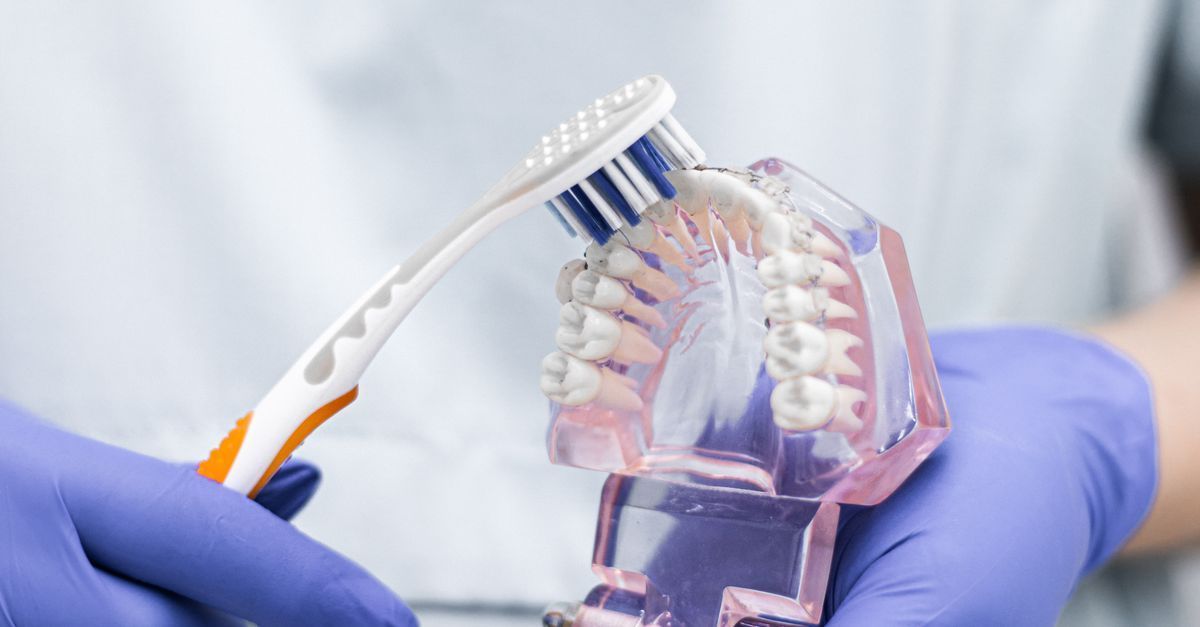
What is scaling?
Even with good brushing, plaque builds up along the gumline and hardens into tartar, which a toothbrush cannot remove. Tartar irritates the gums and harbours bacteria that cause gingivitis and, eventually, periodontitis. Scaling uses an ultrasonic scaler, which vibrates and sprays water, plus fine hand instruments to remove these deposits. Polishing then smooths the tooth surface and removes light stains.
Routine scaling cleans above and just below the gumline. Deeper cleaning of root surfaces in gum pockets (root planing) is a separate gum disease treatment.
Who is it for?
- Almost all adults as part of routine dental care
- People with bleeding gums, bad breath or visible tartar
- Smokers and heavy coffee or tea drinkers with stain build-up
- Anyone planning whitening, veneers or orthodontic treatment
- People with diabetes or pregnancy, when gum inflammation is more common
What happens at the clinic
- Quick check: the dentist or hygienist looks at gums and teeth; X-rays may be taken if it has been a long time.
- Ultrasonic scaling: the scaler breaks up tartar while water rinses debris away.
- Hand scaling: fine instruments remove remaining deposits between teeth.
- Polishing: a polishing paste or air polishing removes surface stain.
- Advice: you may be shown brushing technique and interdental brush sizes; fluoride may be applied.
Aftercare
Gums may bleed lightly or feel tender for a day, and teeth can feel sensitive to cold because tartar that covered the necks of teeth has been removed. This usually settles quickly; desensitising toothpaste helps. Keep up twice-daily brushing and daily interdental cleaning to slow new tartar formation.
Risks and side effects
Scaling is very safe. Temporary sensitivity and minor bleeding are the main effects. Spaces between teeth may look larger once tartar bridging them is removed, but this reflects gum shrinkage that already occurred, not damage from cleaning. People with certain heart conditions or implanted devices should tell the dentist in advance.
Choosing a clinic for scaling in Seomyeon
- Ask whether the dentist checks gum pockets, not just cleans, so early gum disease is not missed.
- If you have implants, ask whether instruments suitable for implant surfaces are used.
- Ask whether air polishing is available if you have heavy staining.
- Ask how long the appointment slot is, so the cleaning is not rushed.
- Check whether staff can explain your gum condition and home care in English.
Booking as a visitor
Scaling is quick and needs no recovery, so it fits easily into a stay in Busan. Many Seomyeon clinics accept same-week appointments; a weekday morning is often easiest to book.
Key facts
- Removes: plaque, tartar (calculus) and surface stains
- Appointment length: about 30–60 minutes
- Anesthesia: usually none; topical gel if sensitive
- Frequency: commonly every 6–12 months, more often with gum disease
- Downtime: none
- Typical NHI coverage: NHI includes a routine scaling benefit for enrolled adults, subject to frequency limits
Frequently asked questions
How often should I get scaling?
Many dentists recommend every 6–12 months. People with gum disease, heavy tartar, diabetes or implants may benefit from cleaning every 3–4 months.
Does scaling damage tooth enamel?
No. Properly performed scaling removes tartar, not enamel. Temporary sensitivity can occur because previously covered root surfaces are exposed to air and cold.
Why do my gums bleed during scaling?
Bleeding usually means the gums were already inflamed from plaque and tartar. It typically improves within days to weeks once the deposits are removed and home care improves.
Is scaling covered by insurance in Korea?
NHI includes a routine scaling benefit for enrolled adults, with limits on frequency. Short-term visitors without NHI pay privately, and the clinic can tell you the cost beforehand.
Can I get my teeth cleaned on a short trip to Busan?
Yes. A cleaning usually takes 30–60 minutes with no recovery time, so it can easily be done during a short visit. Booking a few days ahead is helpful.
Medical disclaimer: Seomyeon.Clinic is an independent information directory. Content is for general education and does not replace a consultation with a licensed physician. Suitability, risks, results and costs vary by person and clinic. In an emergency in Korea, call 119.