
Tooth Fillings (Resin & Inlay) in Seomyeon, Busan
Tooth fillings repair cavities or small fractures by removing decay and restoring the tooth with tooth-coloured composite resin, or with a lab-made inlay for larger defects. At Seomyeon dental clinics, a resin filling is usually completed in one 30–60 minute visit under local anesthesia, while an inlay normally takes two visits. You can eat normally once the numbness wears off.
Independent patient guide · Medically informative, not a substitute for a doctor's advice · Last reviewed:
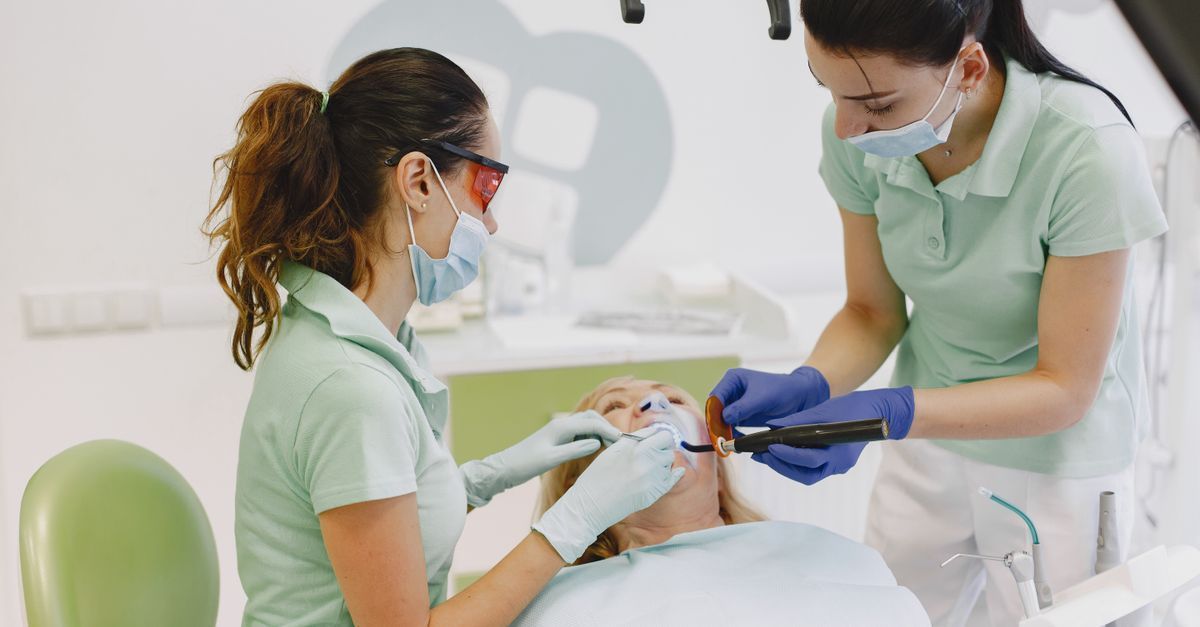
What is a tooth filling?
When decay damages a tooth, the softened area must be removed and the space sealed so bacteria cannot continue to spread. In Korean dental clinics the two most common approaches are:
- Composite resin (레진): a tooth-coloured material placed directly into the cavity in layers and hardened with a curing light. Ideal for small to moderate cavities and front teeth.
- Inlay (인레이): a precise piece of gold, ceramic or resin made outside the mouth from a scan or impression, then cemented in. Often recommended for larger cavities in back teeth where resin may wear or leak over time.
Signs you may need a filling
- Sensitivity to sweet, hot or cold food
- A dark spot, rough edge or hole you can feel with your tongue
- Food catching between two teeth
- A broken or loose old filling
Early cavities often cause no symptoms, which is why check-ups and X-rays matter.
What happens at the clinic
- Examination: visual check and bitewing X-rays to see decay between teeth.
- Numbing: local anesthesia is given for deeper cavities.
- Decay removal: the dentist removes decayed tissue and shapes the cavity.
- Resin filling: the tooth is etched and bonded, resin is added in layers, cured and polished.
- Or inlay: the tooth is scanned, a temporary filling is placed, and the inlay is cemented at a second visit.
Aftercare
Avoid chewing on the numb side until feeling returns to avoid biting your cheek. Mild sensitivity to cold for a few days is common, especially with deeper fillings. If your bite feels high, return for an adjustment. Brushing, flossing and limiting sugary snacks help prevent new decay around the filling.
Risks and side effects
Deep cavities near the nerve can occasionally lead to lingering pain, meaning the pulp is inflamed and root canal treatment may be needed. Resin can stain, chip or wear over time; inlays can debond. Recurrent decay at the edges is the most common reason fillings fail.
Choosing a clinic for fillings in Seomyeon
- Ask whether resin or an inlay is recommended for each tooth, and why.
- Ask to see the X-ray showing the decay before treatment starts.
- If multiple cavities are found, ask which are urgent and which can wait.
- For inlays, ask what material is used and how long it takes to make.
- Check that the cost of each option is explained clearly, in English if needed.
Visiting tip
Resin fillings fit easily into one appointment during a trip to Busan. Clinics clustered near Seomyeon Station are a straightforward ride from most parts of the city.
Key facts
- Treats: cavities, small chips, worn or failing old fillings
- Main types: composite resin (direct), inlay (indirect, lab-made)
- Visits: resin 1; inlay usually 2
- Appointment length: about 30–60 minutes per tooth
- Anesthesia: local anesthesia if decay is deep
- Downtime: none; mild sensitivity can last a few days
- Typical NHI coverage: depends on material and tooth; ask the clinic
Frequently asked questions
Resin or inlay: which filling is better?
Resin is quick and conservative, best for small and moderate cavities. Inlays are made in a lab and are often more durable for larger cavities in back teeth. The size and location of the cavity guide the choice.
Does getting a filling hurt?
Small fillings may not need anesthesia. For deeper cavities, local anesthesia numbs the tooth so you feel vibration and pressure but not pain.
How long do resin fillings last?
Resin fillings commonly last several years or more, depending on size, location, bite forces and hygiene. Larger fillings in back teeth tend to need replacing sooner.
Can I eat right after a filling?
With resin you can eat once the numbness wears off, since the material is hardened immediately. Avoid very hard or sticky food on a temporary filling while waiting for an inlay.
Is a filling covered by insurance in Korea?
Coverage depends on the material, tooth and patient eligibility, and some materials are paid privately. Ask the clinic to explain which options are covered for you.
Medical disclaimer: Seomyeon.Clinic is an independent information directory. Content is for general education and does not replace a consultation with a licensed physician. Suitability, risks, results and costs vary by person and clinic. In an emergency in Korea, call 119.