
Dental Crowns in Seomyeon, Busan
A dental crown is a tooth-shaped cap that covers a damaged, weak or root-canal-treated tooth to restore its strength and appearance. At Seomyeon dental clinics, the tooth is shaped and scanned at the first visit, and the crown is usually fitted within a few days to about a week, or the same day with in-clinic milling. Recovery is minimal.
Independent patient guide · Medically informative, not a substitute for a doctor's advice · Last reviewed:
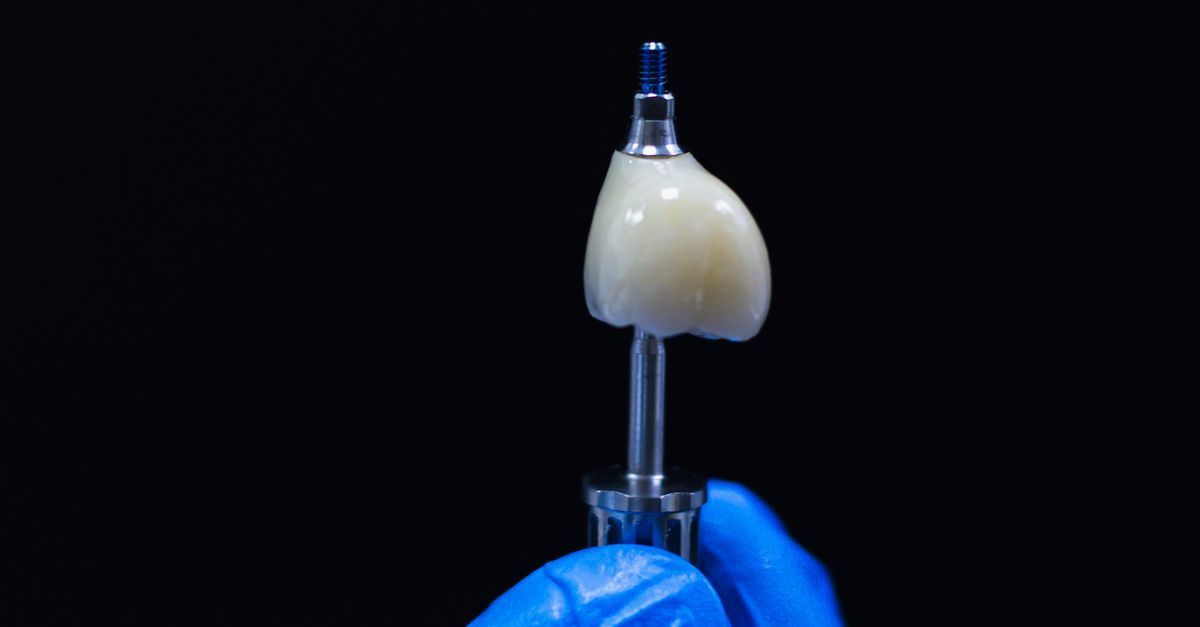
What is a dental crown?
A crown (크라운) fully encircles a tooth above the gumline, acting like a protective helmet. It is used when a filling would be too large to hold up under chewing forces, or when a tooth has cracked or been weakened by root canal treatment. Crowns are also placed on top of dental implants and as the anchors of a bridge.
Who needs one?
- Teeth with large or repeatedly failing fillings
- Back teeth after root canal treatment, which tend to become brittle
- Cracked teeth that hurt when biting
- Severely worn teeth from grinding or acid erosion
- Implants that need a visible tooth on top
Choosing a material
Zirconia is very strong and a common choice for back teeth. Lithium disilicate (e.g. e.MAX) is highly aesthetic for front teeth. Porcelain-fused-to-metal is a long-established option, and gold is durable and kind to opposing teeth but visible. Your dentist will recommend a material based on location, bite and appearance.
What happens at the clinic
- Examination and X-ray: to confirm the nerve is healthy or has been treated, and that there is enough tooth left to hold a crown.
- Preparation: under local anesthesia the tooth is reduced evenly; a build-up may be placed if much tooth is missing.
- Impression or scan: a digital scan or mould records the shape and bite.
- Temporary crown: protects the tooth while the lab makes the final crown.
- Fitting: the final crown is checked for fit, contact and colour, then cemented or bonded.
Recovery and aftercare
Mild gum soreness and bite awareness are normal for a few days. If the crown feels high when you bite, return for an adjustment, as a high spot can cause pain. Brush and floss around the crown edge carefully, since decay can still start where the crown meets the tooth.
Risks and side effects
Possible issues include sensitivity, a loose or chipped crown, decay at the margin, and, occasionally, nerve inflammation in a previously healthy tooth that may later require root canal treatment.
Choosing a clinic for crowns in Seomyeon
- Ask why a crown is needed rather than a filling or inlay, and how much tooth will be removed.
- Ask which material is recommended for that tooth and why.
- Check whether the crown is made in-house, in a local lab, or milled same-day.
- Ask how adjustments or repairs are handled if you leave Busan soon after fitting.
- Make sure costs, warranty terms and aftercare are explained in a language you understand.
Visiting Seomyeon
Two appointments a few days apart fit most stays in Busan. Seomyeon is easy to reach by metro from Busan Station or from the airport via the light rail to Sasang.
Key facts
- Used for: large cavities, cracked teeth, after root canal, worn teeth, implant tops
- Materials: zirconia, lithium disilicate, porcelain-fused-to-metal, gold
- Visits: usually 2, or 1 with same-day milling
- Appointment length: about 60–90 minutes for preparation
- Anesthesia: local anesthesia
- Downtime: none; mild tenderness for a few days
- Lifespan: often 10–15 years or more with good care
Frequently asked questions
How long does it take to get a dental crown?
Usually two visits a few days to about a week apart. Clinics with in-house milling can sometimes design and fit a crown on the same day.
Does getting a crown hurt?
The tooth is numbed with local anesthesia, so preparation should not be painful. Gums and the tooth may feel tender for a few days afterwards.
Which crown material is best?
No single material suits every tooth. Zirconia is strong for back teeth, lithium disilicate is very natural-looking for front teeth, and gold is durable. Your bite and appearance goals guide the choice.
Do I need a crown after a root canal?
Back teeth usually do, because they become more brittle after root canal treatment and are under heavy chewing forces. Front teeth sometimes only need a filling.
Are dental crowns covered by Korean health insurance?
Coverage depends on the material, tooth and patient eligibility. Many crown types are paid privately. Ask the clinic to explain which options are covered for you before treatment.
Medical disclaimer: Seomyeon.Clinic is an independent information directory. Content is for general education and does not replace a consultation with a licensed physician. Suitability, risks, results and costs vary by person and clinic. In an emergency in Korea, call 119.