
Zirconia Crowns in Seomyeon, Busan
Zirconia crowns are metal-free, tooth-coloured caps milled from zirconium dioxide ceramic, valued for high strength and good appearance. In Seomyeon, many dental clinics design them from a digital scan and mill them in-house or in a nearby lab, so fitting often takes one to two visits within about a week. There is little recovery beyond mild tenderness.
Independent patient guide · Medically informative, not a substitute for a doctor's advice · Last reviewed:
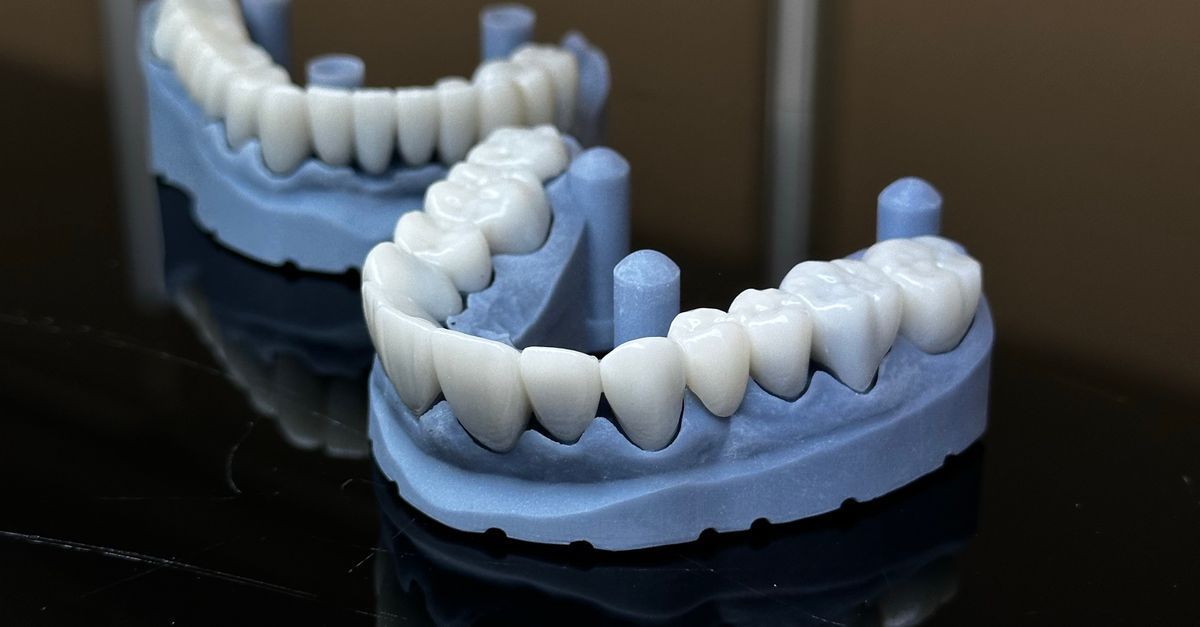
What is a zirconia crown?
Zirconia is a high-strength ceramic that has become one of the most widely used crown materials in Korean dentistry. A monolithic zirconia crown is milled from a single block, making it very resistant to chipping. A layered crown has a zirconia core with porcelain added on the outside for more natural translucency, which suits front teeth but is slightly more prone to chipping. Newer translucent zirconias narrow this gap.
Who is it for?
- Back teeth that take heavy chewing forces
- Teeth after root canal treatment that need full coverage
- Implant crowns and multi-tooth bridges
- People who grind their teeth and have broken porcelain before
- Patients who prefer metal-free restorations
What happens at the clinic
- Diagnosis: exam and X-ray to check the tooth's root and nerve.
- Preparation: the tooth is reduced under local anesthesia; zirconia usually needs less reduction than porcelain-fused-to-metal.
- Digital scan: an intraoral scanner captures the tooth and bite, avoiding messy impression trays.
- Design and milling: the crown is designed on computer (CAD/CAM), milled, then sintered and stained to match.
- Fit and cement: contacts, bite and colour are checked before cementing, followed by final polishing.
Recovery and aftercare
You can eat once the anesthesia wears off. Slight gum tenderness for a few days is common. Because zirconia is hard, the dentist should polish it smooth to reduce wear on opposing teeth. Clean along the gumline daily and keep regular check-ups. If you grind, a night guard protects both crowns and natural teeth.
Risks and side effects
Possible downsides include a slightly more opaque look than glass ceramics in some cases, wear on opposing teeth if left rough, difficulty adjusting or removing the crown later, and decay at the margins if hygiene is poor.
Choosing a clinic for zirconia crowns in Seomyeon
- Ask whether the crown will be monolithic or layered and why that suits your tooth.
- Ask whether milling is done in-clinic or by a lab, and how long it takes.
- Check how the shade is matched for visible teeth.
- Ask the dentist to confirm the crown is polished, not just glazed, on biting surfaces.
- Ask about the repair or replacement policy if problems arise after you return home.
Planning your visit
With in-house milling, a zirconia crown can sometimes be completed in a day. Seomyeon's central position on Busan Metro Lines 1 and 2 makes a follow-up visit straightforward.
Key facts
- Material: zirconium dioxide ceramic, metal-free
- Types: monolithic (full zirconia) or layered with porcelain
- Best for: molars, heavy biters, implant crowns, bridges
- Visits: 1–2; same-day possible with in-clinic milling
- Anesthesia: local anesthesia for preparation
- Downtime: none
- Metal allergy: suitable for people avoiding metal
Frequently asked questions
Are zirconia crowns better than porcelain crowns?
Zirconia is stronger and less likely to chip, which suits back teeth. Glass ceramics such as lithium disilicate can look more lifelike on front teeth. The best choice depends on tooth position and bite.
Can a zirconia crown be made in one day?
Yes, some clinics with in-house scanners and milling units can complete a zirconia crown in one day. Others send the design to a lab and fit the crown a few days later.
Do zirconia crowns look natural?
Modern translucent zirconia and layered designs can look very natural. Very bright monolithic zirconia may look slightly opaque, so ask to discuss shade and type for visible teeth.
Will a zirconia crown wear down my other teeth?
Well-polished zirconia is generally gentle on opposing teeth. Rough or poorly finished surfaces can cause more wear, so polishing after any bite adjustment is important.
How long do zirconia crowns last?
With good hygiene and regular check-ups, zirconia crowns often last many years. Decay at the edge or gum disease are more common reasons for replacement than fracture.
Medical disclaimer: Seomyeon.Clinic is an independent information directory. Content is for general education and does not replace a consultation with a licensed physician. Suitability, risks, results and costs vary by person and clinic. In an emergency in Korea, call 119.