
Root Canal Treatment in Seomyeon, Busan
Root canal treatment (신경치료) removes infected or inflamed pulp from inside a tooth, cleans and seals the canals, and saves the tooth from extraction. At Seomyeon dental clinics it is done under local anesthesia, typically over 2–4 visits of about 30–90 minutes each, often followed by a crown. Most people return to normal activities the same day.
Independent patient guide · Medically informative, not a substitute for a doctor's advice · Last reviewed:
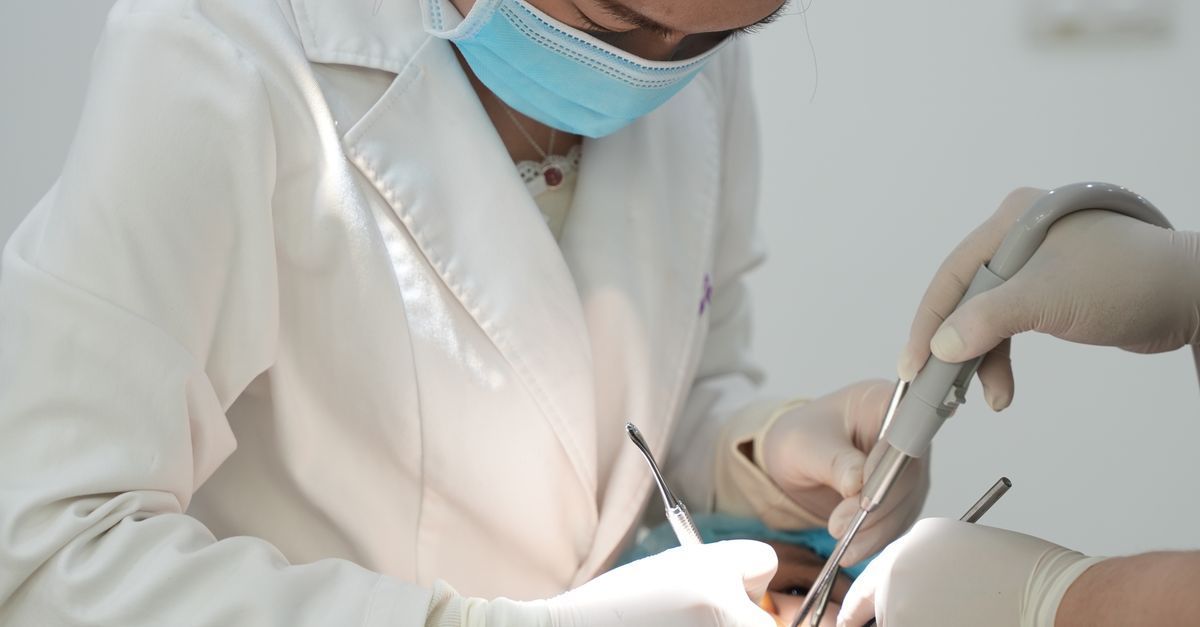
What is root canal treatment?
Inside every tooth is the pulp, a soft tissue of nerves and blood vessels running through narrow root canals. When deep decay, a crack or trauma lets bacteria reach the pulp, it becomes inflamed or infected and can lead to an abscess. Root canal treatment (endodontic treatment) removes this tissue, disinfects the canals and fills them, so the tooth can stay in your mouth.
Symptoms and when to see a dentist
- Lingering pain with hot or cold drinks
- Throbbing toothache, especially at night
- Pain when biting or tapping a tooth
- Gum swelling or a pimple-like bump near a tooth
- A tooth darkening after an injury
Facial swelling, fever or difficulty swallowing need urgent care; call 119 in an emergency.
What happens at the clinic
- Diagnosis: X-rays, cold and bite tests, and sometimes a CT scan for complex roots.
- Access: under local anesthesia, a rubber dam isolates the tooth and a small opening is made.
- Cleaning and shaping: files remove pulp tissue; the canals are measured and irrigated with disinfectant solutions.
- Medication: if infection is present, medicine may be placed between visits under a temporary filling.
- Sealing: canals are filled, usually with gutta-percha, and the tooth is sealed.
- Restoration: a crown or filling protects the tooth from fracture.
Recovery and aftercare
Tenderness when biting for a few days is common and usually eases with over-the-counter pain relief. Avoid chewing hard foods on the tooth until the final crown or filling is placed, as a treated tooth with only a temporary filling can crack. Finish all visits; leaving treatment incomplete allows reinfection.
Risks and side effects
Possible problems include persistent infection, a missed or blocked canal, instrument separation, and root fracture. Some teeth need retreatment or a minor surgical procedure. If the tooth is badly cracked, extraction and an implant or bridge may be a better option.
Choosing a clinic for root canal treatment in Seomyeon
- Ask whether a rubber dam is used, as it keeps the tooth clean during treatment.
- For molars or retreatment, ask whether a microscope or CT scan is available, or whether an endodontic specialist is involved.
- Ask how many visits your tooth is likely to need and how long the temporary filling will last.
- Ask when and how the tooth will be crowned.
- If you are travelling, ask for X-rays and treatment notes to take home.
If you are only in Busan briefly
A dentist can often relieve pain in the first visit by removing inflamed pulp, but the full course needs several appointments. Seomyeon is a central stop for clinics on both metro lines, so returning is easy.
Key facts
- Treats: deep decay, pulp inflammation, abscess, cracked or injured teeth
- Visits: usually 2–4, sometimes one for simpler teeth
- Appointment length: about 30–90 minutes each
- Anesthesia: local anesthesia
- Downtime: none; tenderness for a few days
- After treatment: back teeth usually need a crown
- Typical NHI coverage: root canal therapy is generally an NHI-covered treatment for enrolled patients
Frequently asked questions
Is root canal treatment painful?
With local anesthesia, most people feel little more than with a filling. The pain you had before treatment usually improves. Mild tenderness when biting for a few days is normal.
How many visits does a root canal need?
Often 2–4 visits, depending on the number of canals, infection and tooth anatomy. Front teeth can sometimes be completed in one or two visits.
Do I need a crown after a root canal?
Molars and premolars usually do, because treated back teeth become more brittle. Front teeth with little structure lost may only need a filling.
Can I start a root canal in Busan and finish at home?
It is possible but not ideal. If you must, ask for a durable temporary filling, X-rays and notes, and see a dentist at home promptly to complete treatment.
Is root canal treatment covered by insurance in Korea?
Root canal therapy is generally covered by NHI for enrolled patients, though crowns and some materials may cost extra. Short-term visitors without NHI pay privately.
Medical disclaimer: Seomyeon.Clinic is an independent information directory. Content is for general education and does not replace a consultation with a licensed physician. Suitability, risks, results and costs vary by person and clinic. In an emergency in Korea, call 119.