
Porcelain Veneers in Seomyeon, Busan
Porcelain veneers are thin custom-made ceramic shells bonded to the front of teeth to change their colour, shape or size. In Seomyeon, the process usually takes 2–3 visits over about 1–2 weeks: a smile design consultation, tooth preparation with impressions or a digital scan, then bonding of the finished veneers. There is little downtime beyond temporary sensitivity.
Independent patient guide · Medically informative, not a substitute for a doctor's advice · Last reviewed:
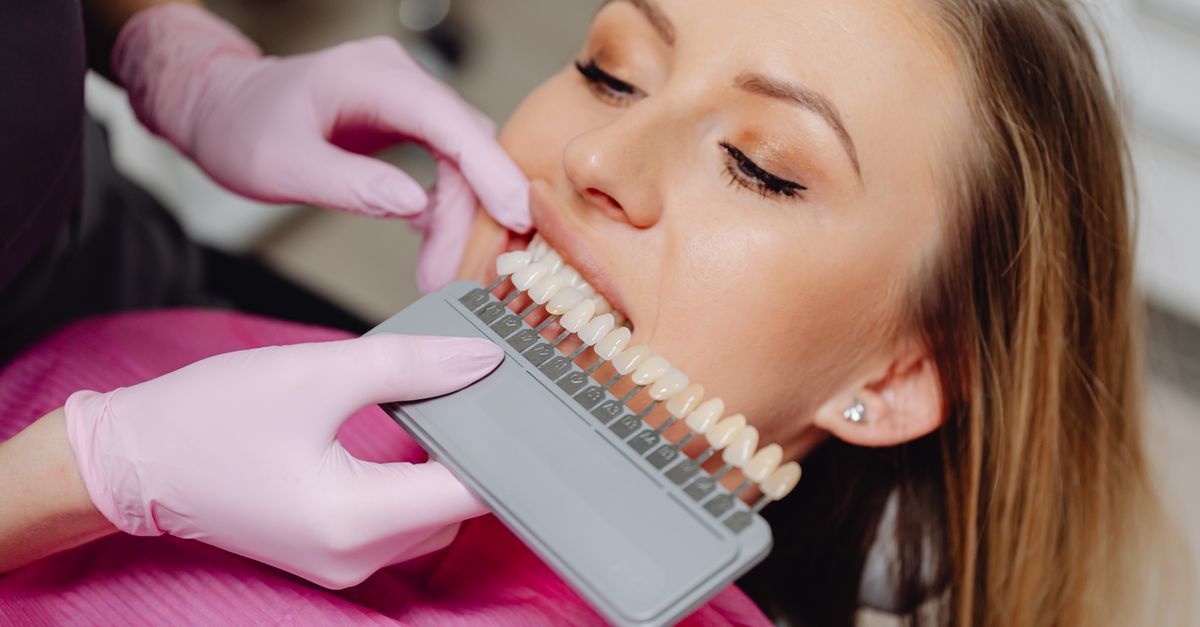
What are porcelain veneers?
Porcelain veneers are wafer-thin layers of ceramic, such as feldspathic porcelain or lithium disilicate (e.MAX), that cover the visible front surface of a tooth. Because porcelain reflects light much like enamel and resists staining, veneers can make teeth look whiter and more even for many years. They are bonded permanently, so the decision should be made carefully.
Who is it for?
- Adults with teeth that do not whiten well, such as tetracycline or fluorosis stains
- People with chipped, worn or slightly misshapen front teeth
- Those with small gaps who prefer not to have orthodontic treatment
Veneers are less suitable if you grind your teeth heavily, have active decay or gum disease, or have significant crowding that orthodontics could fix more conservatively. If you plan to whiten your other teeth, do it before veneer colour is chosen.
What happens at the clinic
- Consultation and smile design: photos, a scan and discussion of shape, length and shade. Some clinics make a trial mock-up so you can preview the result.
- Preparation: a thin layer of enamel is removed so the veneer sits flush. Local anesthesia is used if needed.
- Impressions or digital scan: the lab or an in-clinic milling unit makes the veneers. Temporaries may be placed.
- Try-in and bonding: fit and colour are checked before each veneer is bonded with resin cement and hardened with a curing light.
- Bite check: the dentist polishes and adjusts the bite, then reviews you a short time later.
Recovery and aftercare
You can eat and work the same day. Teeth may feel slightly sensitive to cold for a few days. Avoid biting very hard objects such as ice, bones or bottle caps, and wear a night guard if you clench or grind. Brush and floss normally and keep regular check-ups so the edges and gums stay healthy.
Risks and side effects
Enamel removal is irreversible. Veneers can chip, debond or show a visible margin if gums recede. Over-preparation can cause sensitivity or, rarely, nerve inflammation. An overly white or bulky design can look unnatural, so take time over the smile design stage.
Choosing a clinic for porcelain veneers in Seomyeon
- Ask how much enamel will be removed and whether a minimal-prep option is possible.
- Ask to see a mock-up or digital preview before preparation begins.
- Confirm the porcelain type and whether a dedicated dental lab makes them.
- Ask what happens if a veneer chips or debonds after you leave Korea.
- Check that shade, shape and aftercare can be discussed clearly in English.
Fitting veneers into a Busan visit
Plan at least 1–2 weeks in the city to allow for lab work and a review visit. Clinics around Seomyeon Station are a short subway ride from Busan Station and from the airport via Sasang.
Key facts
- Fixes: discolouration, chips, minor gaps, uneven shape or length
- Tooth preparation: usually about 0.3–0.7 mm of enamel removed
- Anesthesia: local anesthesia for preparation, if needed
- Visits: typically 2–3 over 1–2 weeks
- Downtime: none; mild sensitivity for a few days is common
- Lifespan: often 10 years or more with good care
- Typical NHI coverage: not covered (cosmetic)
Frequently asked questions
How long do porcelain veneers last?
With good care, porcelain veneers often last 10 years or more. Grinding, biting hard objects and gum recession can shorten their lifespan, and eventually they need replacing.
Does getting veneers hurt?
Preparation is usually done under local anesthesia, so it should not be painful. Some people feel mild sensitivity to cold for a few days after preparation or bonding.
Porcelain veneers vs laminate veneers: what is the difference?
In Korea, "laminate" usually refers to very thin porcelain veneers with minimal preparation. Conventional porcelain veneers can be slightly thicker, allowing bigger colour or shape changes. Ask the clinic which approach it means.
Can I get veneers on a one-week trip to Busan?
Sometimes, if the clinic has fast lab turnaround or in-house milling. Allowing 1–2 weeks is safer, so there is time for try-in, adjustments and a review visit.
Are veneers covered by insurance?
No. Veneers are considered cosmetic and are not covered by Korean National Health Insurance. Private dental insurance from your home country rarely covers them either.
Medical disclaimer: Seomyeon.Clinic is an independent information directory. Content is for general education and does not replace a consultation with a licensed physician. Suitability, risks, results and costs vary by person and clinic. In an emergency in Korea, call 119.