
Gummy Smile Correction in Seomyeon, Busan
Gummy smile correction reduces excessive gum display when smiling. The right treatment depends on the cause: Botox to relax an overactive upper lip, gum contouring or crown lengthening for short-looking teeth, or orthodontics and jaw surgery for skeletal causes. At Seomyeon clinics, assessment starts with photos and an exam; Botox takes minutes, while gum surgery usually needs 1–2 weeks of healing.
Independent patient guide · Medically informative, not a substitute for a doctor's advice · Last reviewed:
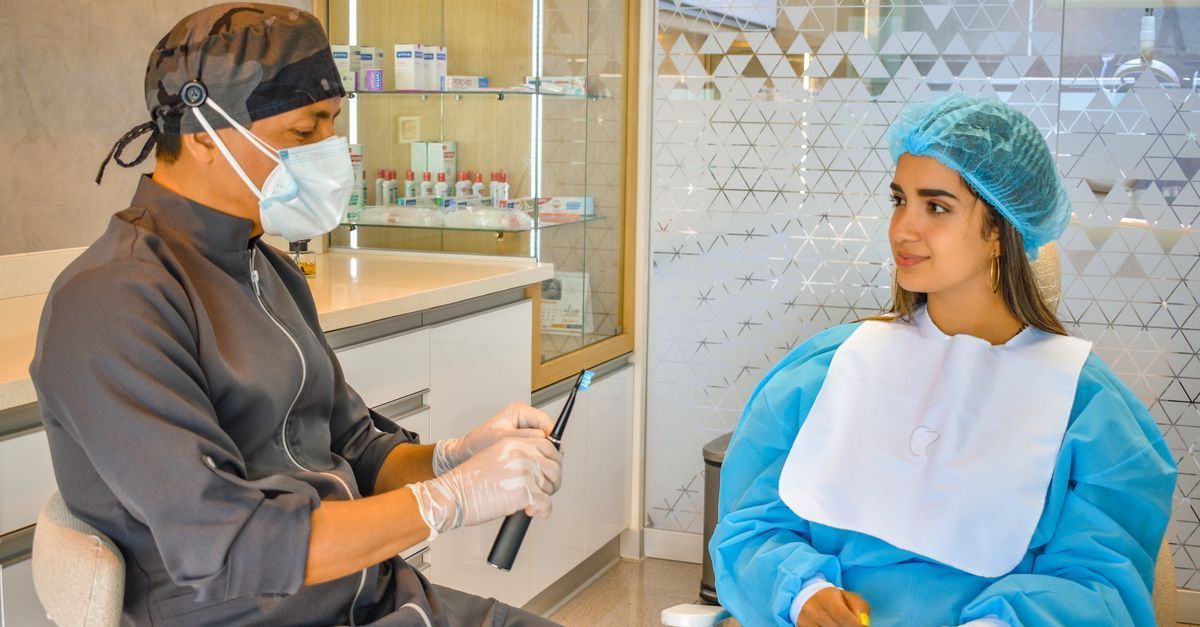
What is a gummy smile?
A gummy smile is when a noticeable band of upper gum shows during a natural smile. It is a normal anatomical variation, not a disease, but some people feel self-conscious about it. Because it can have several different causes, the most important step is an accurate diagnosis before choosing a treatment.
Common causes and matching treatments
- Hyperactive upper lip: the lip rises unusually high. Small doses of botulinum toxin can reduce lip elevation temporarily.
- Excess gum tissue (altered passive eruption): gums cover too much of the tooth, so teeth look short. Gum contouring (gingivectomy) or crown lengthening exposes more tooth.
- Tooth position: over-erupted upper front teeth can be intruded with orthodontics, often using mini-screws.
- Vertical maxillary excess: the upper jaw is longer vertically. Significant cases may need orthognathic (jaw) surgery with orthodontics.
What happens at the clinic
- Smile analysis: photos and measurements of gum display, lip length and tooth proportions.
- Examination and X-rays: to check where the bone sits relative to the gumline, which determines whether simple contouring or crown lengthening is needed.
- Treatment: Botox injections take a few minutes; gum contouring is done under local anesthesia, sometimes with a laser; crown lengthening also reshapes a small amount of bone.
- Review: gum healing is checked after 1–2 weeks; final gum position stabilises over a few months.
Recovery and aftercare
After Botox, avoid rubbing the area; effects appear over several days and typically wear off within a few months. After gum surgery, expect tenderness for about a week. Eat soft food, brush the area gently as instructed and use any prescribed rinse. Avoid smoking, which slows healing.
Risks and side effects
Botox can cause temporary asymmetry or a stiff smile if over-dosed. Gum procedures can cause sensitivity, gum regrowth if bone is not addressed, or uneven gumlines. Orthodontic and surgical options carry the risks of longer treatment.
Choosing a clinic for gummy smile correction in Seomyeon
- Ask the clinician to explain the cause of your gummy smile before suggesting a treatment.
- Ask whether X-rays or bone sounding will be used to decide between gum contouring and crown lengthening.
- For Botox, ask how many units are typical for the lip and how long effects usually last.
- Check whether a periodontist or experienced cosmetic dentist performs gum surgery.
- Ask whether orthodontic or surgical options should be considered for a lasting result.
Visitors' note
Botox and minor gum contouring fit a short trip; orthodontic or surgical correction does not. Seomyeon has many dental and dermatology clinics close together near the metro interchange.
Key facts
- Treats: excessive gum showing when smiling (often 3–4 mm or more)
- Common causes: hyperactive upper lip, excess gum over teeth, vertical jaw excess, tooth position
- Options: Botox, gingivectomy, crown lengthening, orthodontics, orthognathic surgery
- Anesthesia: none for Botox; local anesthesia for gum procedures
- Downtime: none for Botox; gum tenderness about 1–2 weeks after surgery
- Typical NHI coverage: not covered when done for cosmetic reasons
Frequently asked questions
What is the best treatment for a gummy smile?
It depends on the cause. Botox suits an overactive lip, gum contouring or crown lengthening suits short-looking teeth, and orthodontics or jaw surgery suit skeletal causes. A proper diagnosis comes first.
How long does Botox for a gummy smile last?
Effects usually appear within about a week and typically last a few months, after which the lip movement gradually returns and repeat treatment is needed if desired.
Is gum contouring painful?
It is done under local anesthesia. Afterwards, the gums are usually tender for several days, managed with pain relief and soft food.
Can gums grow back after gum contouring?
If the underlying bone is too close to the new gumline, gums can creep back. This is why crown lengthening, which also reshapes bone, is sometimes needed.
Is gummy smile treatment covered by insurance?
When done for appearance, it is considered cosmetic and is not covered by Korean National Health Insurance.
Medical disclaimer: Seomyeon.Clinic is an independent information directory. Content is for general education and does not replace a consultation with a licensed physician. Suitability, risks, results and costs vary by person and clinic. In an emergency in Korea, call 119.