
Gold & Ceramic Inlays in Seomyeon, Busan
Gold and ceramic inlays are custom-made restorations that fit precisely into a prepared cavity in a back tooth, used when a cavity is too large for a direct resin filling but a full crown is not needed. In Seomyeon, the tooth is prepared and scanned at the first visit, and the inlay is cemented a few days later or the same day with in-clinic milling.
Independent patient guide · Medically informative, not a substitute for a doctor's advice · Last reviewed:
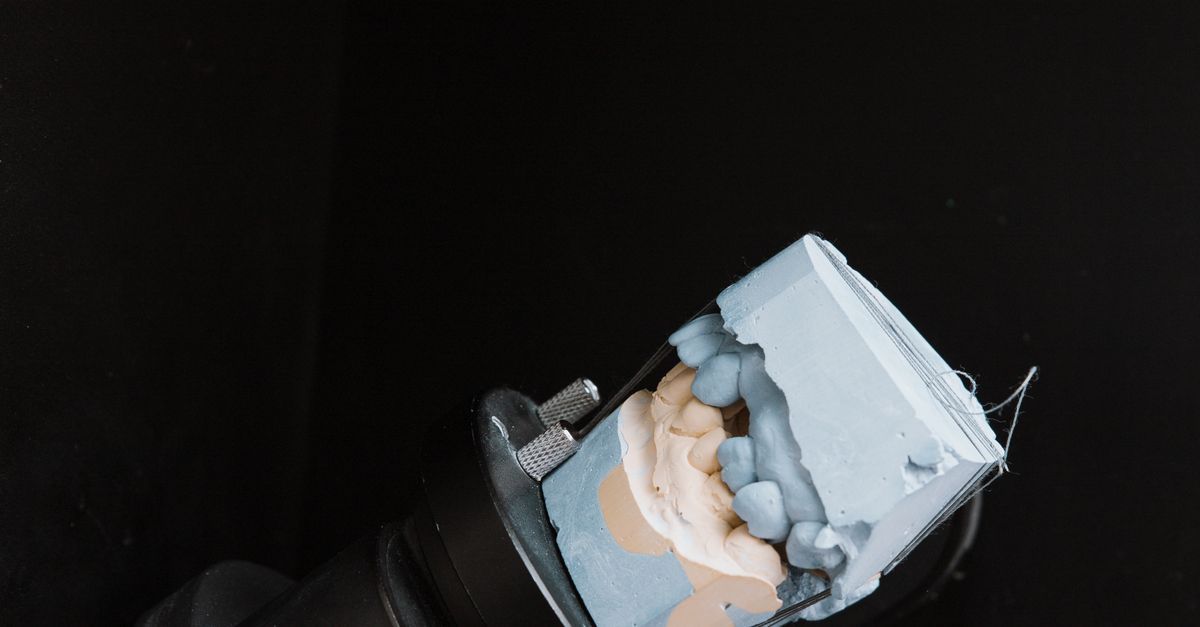
What is an inlay?
An inlay is an indirect restoration: rather than being shaped directly in the mouth like a resin filling, it is made outside the mouth to fit the cavity exactly and then cemented in. When the restoration extends over one or more chewing cusps it is called an onlay. Because the material is made under controlled conditions, inlays can be stronger and seal more accurately than large direct fillings, while removing less tooth than a crown.
Gold vs ceramic
- Gold (골드 인레이): slightly flexible and very durable, gentle on opposing teeth and able to seal tightly at the edges. The main drawback is its visible colour.
- Ceramic (세라믹 인레이): tooth-coloured and highly aesthetic. It is bonded to the tooth, which can reinforce it, but brittle ceramics can chip under heavy forces.
Who is it for?
- Back teeth with cavities too large for long-lasting resin
- Replacing worn or cracked old fillings
- Teeth where a crown would remove more healthy structure than necessary
What happens at the clinic
- Assessment: X-rays confirm the extent of decay and the health of the nerve.
- Preparation: under local anesthesia, decay and old filling material are removed and the cavity is shaped with smooth, slightly tapered walls.
- Impression or scan: the shape is recorded; a temporary filling is placed.
- Fabrication: a dental lab casts the gold or makes the ceramic, or a ceramic inlay is milled in the clinic.
- Cementation: fit and bite are checked, then the inlay is cemented or bonded and polished.
Aftercare
Avoid sticky or hard foods on a temporary filling between visits. After the final inlay, mild cold sensitivity is common for a few days. Floss carefully around the margins and keep regular check-ups.
Risks and side effects
Possible issues include temporary sensitivity, debonding, chipping (more likely with ceramic), and decay at the margins if hygiene is poor. If decay was very deep, the nerve may later need root canal treatment.
Choosing a clinic for inlays in Seomyeon
- Ask why an inlay is advised instead of resin or a crown for that specific tooth.
- Ask which material is recommended given your bite and whether you grind your teeth.
- Check whether inlays are made by an external lab or milled in-house, and the turnaround time.
- Ask how the clinic handles an inlay that comes loose after you leave.
- Ensure you can discuss material choice and cost clearly, with English support if needed.
For short stays
Lab-made inlays usually need two visits a few days apart, so plan your Busan itinerary accordingly. Seomyeon is a short ride on Line 1 from Busan Station.
Key facts
- Used for: moderate to large cavities, replacing old amalgam or failing fillings
- Materials: gold alloy, ceramic (porcelain or lithium disilicate), resin
- Onlay: a larger version that also covers one or more cusps
- Visits: usually 2; same-day possible for ceramic with milling
- Anesthesia: local anesthesia
- Downtime: none
- Lifespan: gold inlays are known for long-term durability
Frequently asked questions
Is a gold inlay better than a ceramic inlay?
Gold is very durable and gentle on opposing teeth but visible. Ceramic looks natural and bonds to the tooth but can chip under heavy bite forces. Your dentist will advise based on tooth position and bite.
What is the difference between an inlay and an onlay?
An inlay fits within the cusps of a tooth. An onlay extends over one or more cusps to protect them, and is used when more tooth structure is weakened.
How many visits does an inlay take?
Usually two: one for preparation and scanning, another to cement the finished inlay. Some clinics can mill ceramic inlays in a single visit.
How long do gold inlays last?
Gold inlays are known for long service when well made and maintained, often longer than large resin fillings. Good hygiene and regular check-ups are essential.
Inlay or crown: how do I choose?
An inlay keeps more natural tooth and suits cavities with strong surrounding walls. A crown is needed when the tooth is cracked, very weak or has had root canal treatment.
Medical disclaimer: Seomyeon.Clinic is an independent information directory. Content is for general education and does not replace a consultation with a licensed physician. Suitability, risks, results and costs vary by person and clinic. In an emergency in Korea, call 119.