
Clear Aligners in Seomyeon, Busan
Clear aligners are a series of removable, transparent plastic trays that gradually move teeth into a planned position. At Seomyeon orthodontic clinics, treatment starts with a digital scan, photos and X-rays, followed by a computer-simulated plan. Trays are usually worn 20–22 hours a day and changed every 1–2 weeks, with check-ups every 6–10 weeks over roughly 6–24 months.
Independent patient guide · Medically informative, not a substitute for a doctor's advice · Last reviewed:
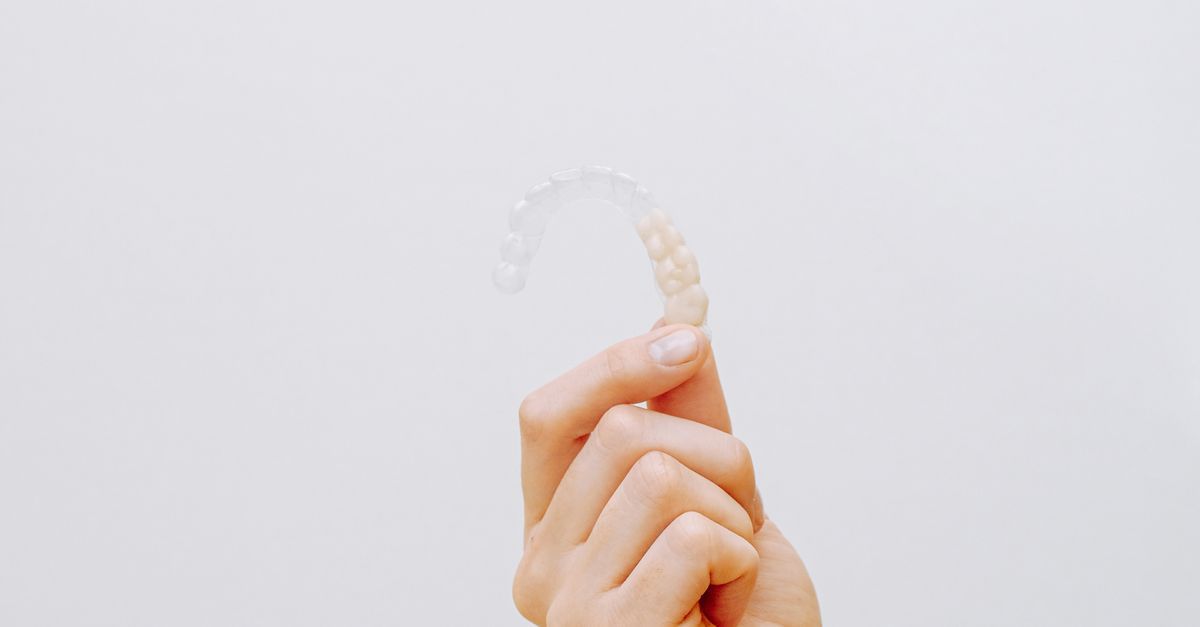
What are clear aligners?
Clear aligners (투명교정) are custom thermoplastic trays made from a 3D model of your teeth. Each tray is slightly different from the last, applying gentle pressure to move teeth a small distance. Several brands exist, including Invisalign and various Korean-made systems, and some clinics design aligners in-house. The trays are nearly invisible and can be removed to eat and brush.
Who is it for?
- Teens and adults with mild to moderate crowding or gaps
- People with relapse after previous braces
- Professionals who prefer a discreet option
- Patients disciplined enough to wear trays most of the day
Severe rotations, large bite discrepancies or skeletal problems may respond better to fixed braces, sometimes combined with mini-screws or surgery.
What happens at the clinic
- Records: intraoral scan, facial and tooth photos, panoramic and cephalometric X-rays.
- Diagnosis and simulation: the orthodontist designs tooth movements and shows a digital preview of the expected result.
- Preparation: any cavities or gum issues are treated; small spaces may be created between teeth (interproximal reduction).
- Starting treatment: attachments are bonded and you receive your first trays with wear and cleaning instructions.
- Monitoring: regular check-ups confirm teeth are tracking; refinement trays may be needed near the end.
Recovery and aftercare
Each new tray may feel tight for 1–2 days. Remove trays to eat or drink anything except plain water, brush before putting them back, and clean trays gently with cool water. Do not leave trays out for long periods, as teeth can move back quickly. Once treatment ends, retainers maintain the result.
Risks and side effects
Common issues are temporary soreness, a slight lisp at first and dry mouth. Poor wear time leads to trays not fitting and delayed results. Drinking sugary drinks with trays in can increase cavity risk. As with all orthodontics, root shortening and gum recession are possible but uncommon.
Choosing a clinic for clear aligners in Seomyeon
- Ask whether treatment is planned and supervised by a board-certified orthodontist (교정과 전문의).
- Ask which aligner system is used and whether it can be continued if you move abroad.
- Ask whether refinement trays and retainers are included in the plan.
- Ask how often in-person checks are needed and whether remote monitoring is offered.
- Make sure the digital simulation is explained honestly, including limits on what aligners can achieve.
For expats and long-stay visitors
Aligners suit people living in Busan for at least the treatment period, or those who can return regularly. Seomyeon's metro interchange makes regular check-ups convenient from most neighbourhoods.
Key facts
- Treats: mild to moderate crowding, spacing, some bite problems
- Wear time: about 20–22 hours per day
- Tray changes: typically every 1–2 weeks
- Treatment length: roughly 6–24 months depending on complexity
- Check-ups: commonly every 6–10 weeks
- Attachments: small tooth-coloured bumps often bonded to teeth
- After treatment: retainers are essential
Frequently asked questions
How long does clear aligner treatment take?
Most cases take about 6–24 months. Minor front-tooth alignment may be faster, while complex crowding or bite correction takes longer. Wearing trays consistently is the biggest factor you control.
Do clear aligners hurt?
They cause pressure and mild soreness for a day or two after switching trays, which usually feels milder than adjustments with traditional braces.
Clear aligners or braces: which is better?
Aligners are discreet and removable, ideal for mild to moderate cases. Fixed braces control complex tooth movements more precisely and do not depend on wear compliance. An orthodontist can advise for your case.
Can I eat with clear aligners in?
No. Remove them for meals and drinks other than plain water, then brush before replacing them. Eating with trays in can trap food and stain or crack them.
Do I need a retainer after aligners?
Yes. Teeth tend to drift back after any orthodontic treatment. Retainers, fixed or removable, are needed long term to keep the result.
Medical disclaimer: Seomyeon.Clinic is an independent information directory. Content is for general education and does not replace a consultation with a licensed physician. Suitability, risks, results and costs vary by person and clinic. In an emergency in Korea, call 119.