
Orthodontic Retainers in Seomyeon, Busan
Orthodontic retainers are fixed wires or removable appliances that hold teeth in their new positions after braces or aligners. At Seomyeon orthodontic clinics, a fixed retainer can be bonded behind the front teeth in one visit, and a removable clear or wire retainer is usually made from a scan within a few days. Most orthodontists advise long-term night-time wear.
Independent patient guide · Medically informative, not a substitute for a doctor's advice · Last reviewed:
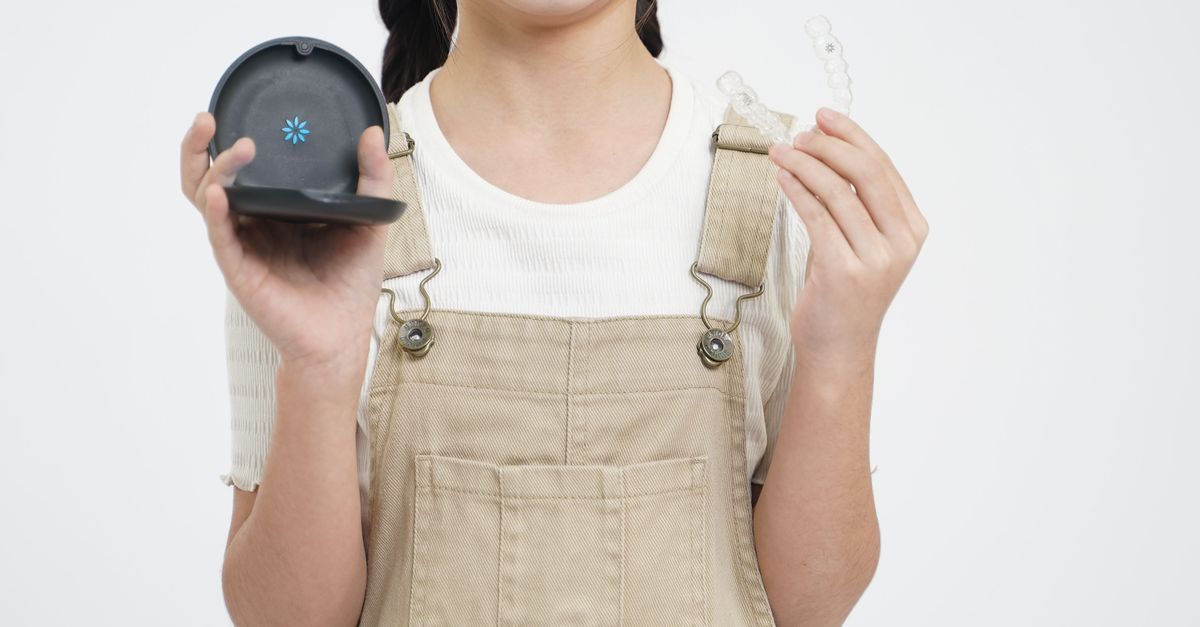
What are retainers?
After orthodontic treatment, the fibres around teeth and the surrounding bone take time to adapt, and teeth also tend to drift throughout life. Retainers (유지 장치) hold the teeth in place while this happens and beyond. Without them, relapse is common, especially for rotated teeth, closed gaps and lower front teeth.
Types of retainers
- Fixed (bonded) retainer: a thin wire glued behind the front teeth. It works continuously without relying on you remembering to wear it, but requires careful cleaning.
- Clear removable retainer: a thin plastic tray, nearly invisible, often worn at night.
- Hawley retainer: a wire across the front teeth attached to an acrylic plate; durable and adjustable.
Many orthodontists combine a fixed retainer with a removable night retainer for extra security.
Who needs one?
- Anyone finishing braces or aligners
- People whose teeth have started to move after stopping old retainers
- Those who lost or broke a retainer and want to prevent relapse
What happens at the clinic
- Debond or check: braces are removed or teeth assessed for any movement.
- Scan or impression: a digital scan records the current tooth positions.
- Fixed retainer bonding: the wire is shaped and bonded behind selected teeth.
- Removable retainer delivery: the tray is fitted, checked and wear instructions given.
- Follow-up: periodic checks of retainer fit and bonded wires.
Care and cleaning
Clean removable retainers daily with a soft brush and cool water; avoid hot water, which can warp plastic. Store them in a case, never wrapped in a napkin. Do not eat or drink sugary drinks with them in. For fixed retainers, use floss threaders or interdental brushes under the wire, and see your dentist if any bond feels loose.
Risks and side effects
Bonded wires can detach or, rarely, cause unwanted tooth movement if bent. Plaque around fixed retainers can lead to gum inflammation. Removable retainers can be lost, cracked or not worn enough.
Choosing a clinic for retainers in Seomyeon
- Ask which retainer type suits your original problem and how long to wear it.
- If you lost a retainer, ask whether minor movement can be corrected or whether a new retainer will simply hold current positions.
- Ask how quickly a replacement can be made if you are leaving Busan soon.
- Ask for spare copies or digital scan files for future replacements abroad.
- Check how loose bonded wires are repaired.
For visitors
A replacement retainer can often be made within a short stay. Seomyeon's clinics are close to the Line 1 and 2 transfer, convenient even on a tight itinerary.
Key facts
- Purpose: prevent teeth shifting after orthodontic treatment
- Fixed: thin wire bonded behind front teeth
- Removable: clear vacuum-formed (Essix) or Hawley wire-and-acrylic
- Wear: often full-time at first, then nightly long term
- Replacement: new removable retainers can usually be made from a scan in days
- Check-ups: periodic checks of fit and bonded wires
Frequently asked questions
How long do I need to wear a retainer?
Many orthodontists recommend full-time wear for the first months, then nightly wear long term. Teeth can shift throughout life, so indefinite part-time wear is common advice.
Fixed or removable retainer: which is better?
Fixed retainers work constantly and suit relapse-prone front teeth but need careful cleaning. Removable retainers are easy to clean but depend on you wearing them. Many people use both.
I lost my retainer. What should I do?
See an orthodontist soon, as teeth can begin moving within days to weeks. A new retainer can usually be made from a scan in a short time.
Can a retainer fix teeth that have already moved?
A new retainer can sometimes push slightly shifted teeth back, but larger relapse usually needs short orthodontic treatment first.
How do I clean my retainer?
Brush removable retainers gently with cool water and mild soap or retainer cleaner. Avoid hot water and toothpaste that scratches. Clean under fixed wires with floss threaders.
Medical disclaimer: Seomyeon.Clinic is an independent information directory. Content is for general education and does not replace a consultation with a licensed physician. Suitability, risks, results and costs vary by person and clinic. In an emergency in Korea, call 119.