
Partial Orthodontics in Seomyeon, Busan
Partial orthodontics (부분 교정) straightens a limited group of teeth, usually the front six, without treating the whole bite. At Seomyeon orthodontic clinics it is commonly done with short-term braces or clear aligners for mild crowding, small gaps or a single rotated tooth. Treatment often takes about 3–12 months, followed by a retainer to keep teeth in place.
Independent patient guide · Medically informative, not a substitute for a doctor's advice · Last reviewed:
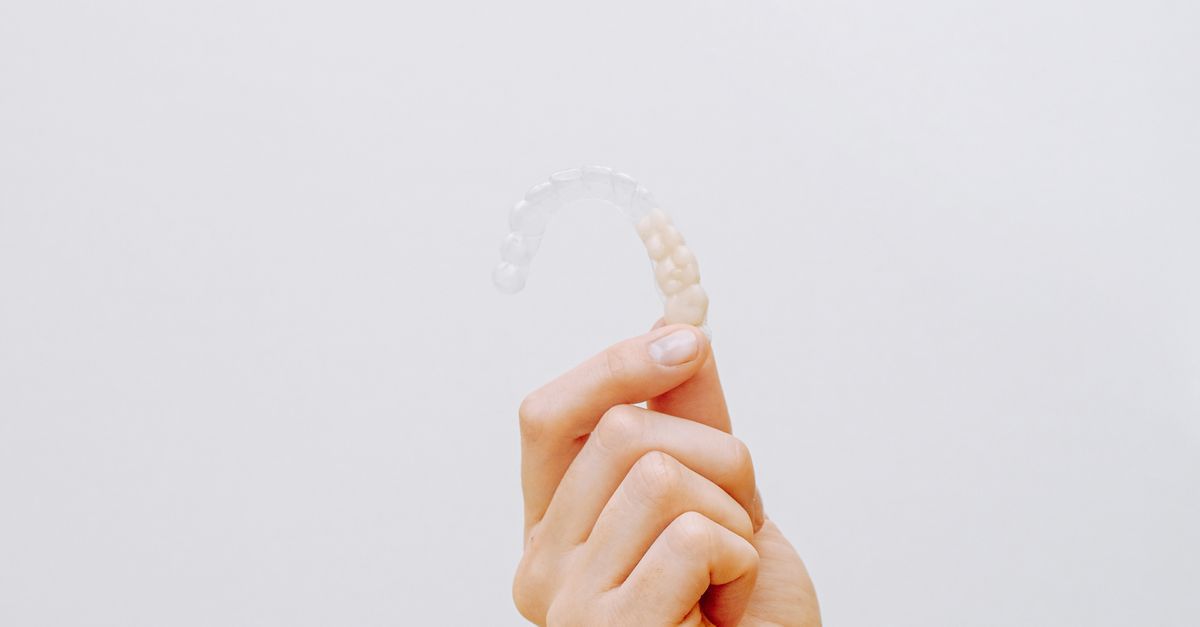
What is partial orthodontics?
Comprehensive orthodontics corrects the alignment of all teeth and the relationship between the upper and lower jaws. Partial (limited) orthodontics focuses only on a specific area, typically the visible front teeth. Because fewer teeth move and the bite is left largely unchanged, treatment is shorter and simpler. The trade-off is that underlying bite problems are not corrected.
Who is it for?
- Adults with mild crowding or gaps in the front teeth and an otherwise good bite
- People whose teeth shifted after earlier orthodontic treatment
- Patients needing a tooth moved before veneers, crowns or an implant
- Those wanting a modest improvement in a short time
If your back teeth do not meet well, or there is significant overbite, underbite or protrusion, full treatment is usually more appropriate. A careful assessment avoids creating new bite problems.
What happens at the clinic
- Assessment: exam, photos, X-rays and scan to check that limited treatment is suitable.
- Space planning: small amounts of enamel may be reshaped between teeth to create room.
- Appliance: braces are bonded on the front teeth only, or clear aligners are made for the planned movements.
- Adjustments: regular checks while teeth align.
- Retention: a fixed wire behind the teeth or a removable retainer is fitted.
Recovery and aftercare
Mild pressure and soreness for a few days after starting or adjusting are normal. Keep teeth clean around brackets or remove aligners to eat. Retainers are especially important in partial treatment because the surrounding teeth and bite were not changed.
Risks and side effects
Limited treatment may not achieve the ideal result if the problem is more complex than it appears. Moving front teeth without considering the bite can cause interference. Enamel reshaping removes a small amount of tooth. Relapse occurs without retention.
Choosing a clinic for partial orthodontics in Seomyeon
- Ask whether your bite is suitable for limited treatment and what compromises it involves.
- Ask whether enamel reshaping is planned and how much.
- Ask whether aligners or sectional braces give the better result for your case.
- Ask how the finished position will interact with your bite.
- Confirm the retainer type and cost after treatment.
Planning your time
Partial treatment is shorter but still needs several visits. If you live in Busan or visit regularly, a clinic near Seomyeon's metro interchange keeps visits quick.
Key facts
- Treats: mild front-tooth crowding, small gaps, single rotated or tipped teeth
- Not for: significant bite problems or major crowding
- Appliances: sectional braces or clear aligners
- Treatment length: roughly 3–12 months
- Common use: relapse after earlier braces, preparing for veneers or implants
- Retention: fixed or removable retainer needed
Frequently asked questions
Can I straighten only my front teeth?
Often yes, if your bite is otherwise good and the problem is mild. An orthodontist will check that moving only front teeth will not create bite problems.
How long does partial orthodontics take?
Typically about 3–12 months, depending on the amount of movement and the appliance used.
Is partial orthodontics cheaper than full treatment?
Because it is shorter and simpler, it usually costs less than comprehensive treatment. Ask the clinic for a clear breakdown before you start.
Will my teeth move back after partial orthodontics?
They can if retainers are not worn. Many orthodontists recommend a fixed retainer behind the front teeth plus a removable retainer at night.
Aligners or braces for partial treatment?
Both can work. Aligners are discreet and removable; sectional braces can be more precise for rotated teeth. Your orthodontist will recommend based on the movements needed.
Medical disclaimer: Seomyeon.Clinic is an independent information directory. Content is for general education and does not replace a consultation with a licensed physician. Suitability, risks, results and costs vary by person and clinic. In an emergency in Korea, call 119.