
Crowded Teeth Correction in Seomyeon, Busan
Crowded teeth correction straightens teeth that overlap or twist because there is not enough space in the jaw. At Seomyeon orthodontic clinics, the orthodontist measures the space shortage, then creates room by expansion, slight enamel reshaping, moving teeth back, or extracting teeth in severe cases. Braces or clear aligners then align the teeth, usually over about 6–24 months.
Independent patient guide · Medically informative, not a substitute for a doctor's advice · Last reviewed:
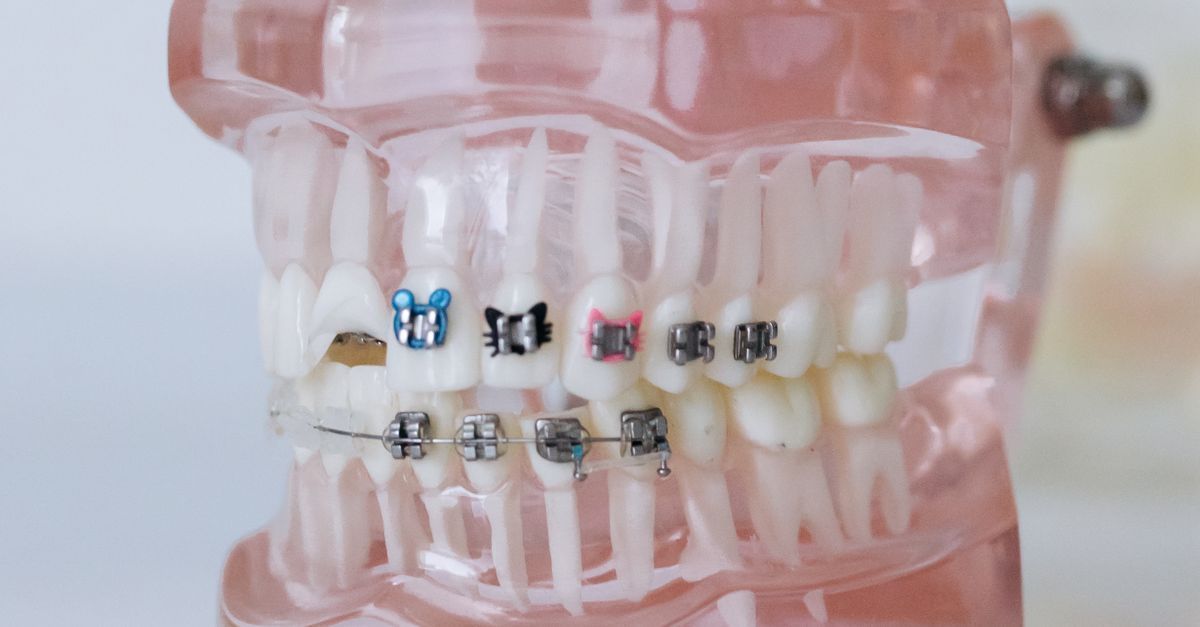
What is dental crowding?
Crowding happens when the combined width of the teeth is larger than the space available in the jaw. Teeth overlap, twist or are pushed out of line. It may be inherited, caused by early loss of baby teeth, or develop with age as teeth drift forward. Crowded teeth are harder to clean, raising the risk of decay and gum disease.
Who is it for?
- Teens and adults with overlapping or rotated teeth
- People whose lower front teeth have crowded over time
- Those finding it hard to floss or clean between teeth
- Patients preparing for crowns, veneers or implants who need teeth repositioned
What happens at the clinic
- Space analysis: the orthodontist measures tooth sizes and arch length from a scan or model.
- Plan for space: mild crowding may be solved with slight enamel reshaping or arch development; moderate crowding may use expansion or moving molars back with mini-screws; severe crowding may require removing premolars.
- Appliance choice: aligners suit many mild to moderate cases; braces are often preferred for severe crowding or extractions.
- Alignment: regular visits as teeth level and rotate into place.
- Retention: fixed or removable retainers hold the new alignment.
Recovery and aftercare
Soreness for a few days after starting and after each adjustment or new aligner is normal. Keep teeth very clean during treatment, as appliances trap plaque. After straightening, cleaning becomes easier, which helps long-term gum health.
Risks and side effects
As overlapped teeth straighten, small triangular gaps near the gumline (black triangles) can appear, especially in adults. Over-expansion may cause gum recession. Interproximal reduction removes a small amount of enamel. Relapse is common without retainers.
Choosing a clinic for crowding correction in Seomyeon
- Ask how much space is needed and how the orthodontist plans to create it.
- If extractions are proposed, ask why and what non-extraction alternatives would mean for your profile and stability.
- Ask how black triangles will be managed if they appear.
- Ask whether aligners or braces are more predictable for your degree of crowding.
- Confirm the long-term retainer plan.
Living locally
Most crowding cases need regular visits for many months. Seomyeon's station, shared by Lines 1 and 2, is a convenient base for check-ups.
Key facts
- Severity: mild, moderate or severe space shortage
- Ways to create space: expansion, interproximal reduction, distalisation, extraction
- Appliances: clear aligners, metal, ceramic or lingual braces
- Treatment length: roughly 6–24 months
- Benefits: easier cleaning, more even wear, improved appearance
- Retention: crowding commonly returns without retainers
Frequently asked questions
Do I need teeth removed to fix crowding?
Not always. Mild and moderate crowding can often be corrected by expansion, enamel reshaping or moving teeth back. Severe crowding may require extractions for stable results.
Can clear aligners fix crowded teeth?
Yes, aligners correct many mild to moderate crowding cases. Severe crowding or cases with extractions may be more predictable with braces.
Why did my lower teeth become crowded as an adult?
Teeth naturally drift forward with age, and lower front teeth commonly crowd, especially if retainers were stopped after earlier treatment.
How long does it take to straighten crowded teeth?
Mild cases may take about 6–12 months; moderate to severe cases often take 12–24 months or more.
Will crowding come back after treatment?
It can. Wearing retainers as directed, and sometimes having a fixed retainer bonded behind the front teeth, helps prevent relapse.
Medical disclaimer: Seomyeon.Clinic is an independent information directory. Content is for general education and does not replace a consultation with a licensed physician. Suitability, risks, results and costs vary by person and clinic. In an emergency in Korea, call 119.