
Metal Braces in Seomyeon, Busan
Metal braces are fixed stainless-steel brackets bonded to the teeth and connected by an archwire that moves teeth into alignment. At Seomyeon orthodontic clinics, treatment starts with X-rays, a scan and a treatment plan, then brackets are bonded in a 1–2 hour visit. Adjustments usually follow every 4–8 weeks, and most cases finish in about 18–30 months.
Independent patient guide · Medically informative, not a substitute for a doctor's advice · Last reviewed:
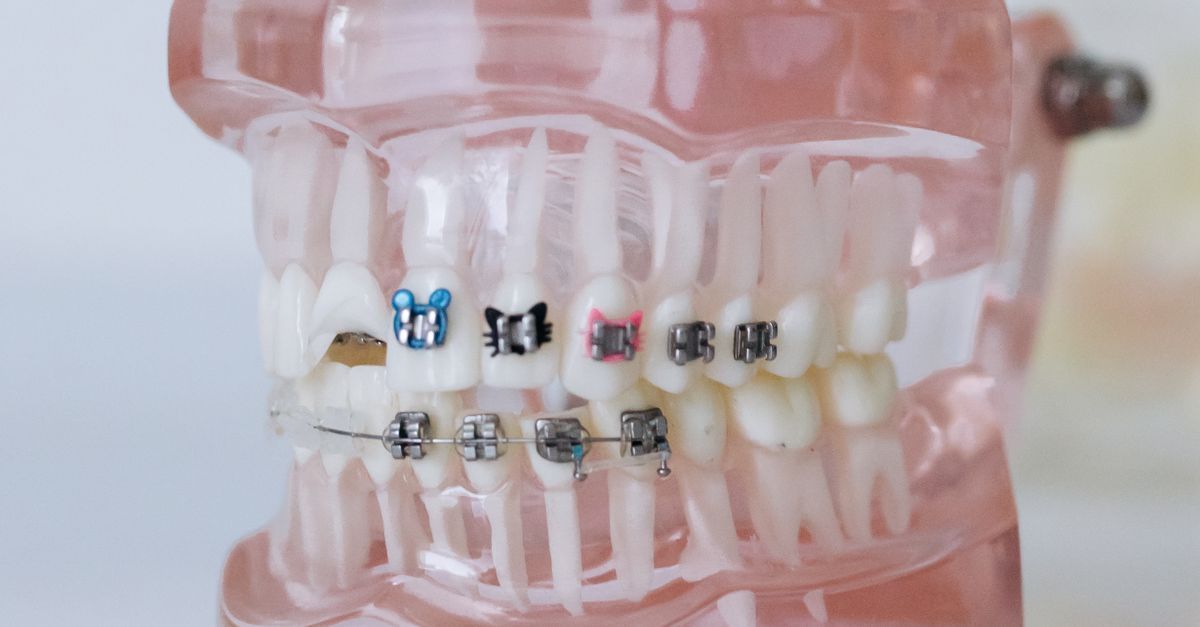
What are metal braces?
Traditional metal braces use small stainless-steel brackets glued to the front of each tooth, with a thin archwire held in place by elastic or wire ties. As the wire tries to return to its ideal shape, it applies light, continuous force that moves teeth through the bone. Elastics, springs and power chains add extra control for bite correction and closing gaps. Metal braces remain the most versatile and robust orthodontic appliance.
Who is it for?
- Children, teens and adults with mild to severe misalignment
- Complex bite problems needing precise three-dimensional control
- Cases combined with extractions, mini-screws or jaw surgery
- People who prefer not to rely on removing and wearing trays
What happens at the clinic
- Diagnostic records: panoramic and cephalometric X-rays, photos and a 3D scan or moulds.
- Treatment plan: the orthodontist explains whether extractions, mini-screws or elastics are needed and the expected duration.
- Bonding: teeth are cleaned and conditioned, brackets are glued on, and the first light wire is placed.
- Adjustments: wires are changed or tightened every few weeks, gradually progressing to stiffer wires.
- Debonding: brackets are removed, teeth polished, and retainers fitted.
Recovery and aftercare
Teeth usually ache for 2–5 days after bonding and each adjustment; soft food and over-the-counter pain relief help. Orthodontic wax soothes cheeks rubbed by brackets. Avoid hard and sticky foods such as nuts, hard candy, ice and chewy toffee, and cut food into small pieces. Brush carefully around each bracket and use interdental brushes; poor cleaning can leave permanent white spots on enamel.
Risks and side effects
Possible problems include decalcification (white spots), gum inflammation, mouth ulcers, broken brackets or poking wires, and, uncommonly, root shortening. Relapse after treatment is common without retainers.
Choosing a clinic for metal braces in Seomyeon
- Check that treatment is led by a board-certified orthodontist (교정과 전문의).
- Ask whether extractions are proposed and why, and what alternatives exist.
- Ask how emergencies such as broken brackets are handled between appointments.
- Ask whether retainers and post-treatment checks are part of the plan.
- If you might relocate, ask for complete records so another orthodontist can continue.
For residents and students
Braces require regular visits over a year or more, so they suit people living in Busan. Clinics near Seomyeon Station are easy to fit around school or work, with many offering Saturday hours.
Key facts
- Treats: crowding, spacing, overbite, underbite, crossbite, open bite, rotations
- Bonding visit: about 1–2 hours
- Adjustments: typically every 4–8 weeks
- Treatment length: roughly 18–30 months for comprehensive cases
- Anesthesia: not needed
- Visibility: most visible option, but very durable
- Typical NHI coverage: not covered for routine orthodontics
Frequently asked questions
How long do metal braces take?
Comprehensive cases commonly take about 18–30 months. Simple cases may finish sooner; complex bite correction, extractions or surgery can take longer.
Do metal braces hurt?
Bonding itself is painless. Teeth typically ache for a few days after bonding and adjustments, and brackets may rub the cheeks until they toughen. Wax and soft food help.
Metal or ceramic braces: which is better?
Metal brackets are smaller, stronger and less prone to breakage. Ceramic brackets are tooth-coloured and less noticeable but can be more fragile. Both work similarly.
What foods should I avoid with braces?
Avoid hard, sticky or chewy foods such as nuts, hard candy, ice, popcorn and toffee. Cut firm foods like apples into small pieces.
Can I get braces if I'm only in Korea for a few months?
It is usually not advisable, since braces need regular adjustments over a long period. If you must, plan in advance with an orthodontist who can transfer your case.
Medical disclaimer: Seomyeon.Clinic is an independent information directory. Content is for general education and does not replace a consultation with a licensed physician. Suitability, risks, results and costs vary by person and clinic. In an emergency in Korea, call 119.