
Children's Orthodontics in Seomyeon, Busan
Children's orthodontics (소아 교정) uses the growth period to guide developing jaws and teeth, and to straighten permanent teeth in older children and teens. Many orthodontists suggest a first check around age 7. At Seomyeon clinics, an evaluation includes X-rays and photos; some children need early treatment with expanders or functional appliances, while most simply wait for braces or aligners in adolescence.
Independent patient guide · Medically informative, not a substitute for a doctor's advice · Last reviewed:
What is children's orthodontics?
Orthodontic care for children ranges from monitoring development to active treatment. Early (interceptive) treatment aims to correct problems that are easier to address while the jaws are still growing, such as a narrow upper jaw causing a crossbite, or a developing underbite. Later, comprehensive treatment straightens permanent teeth once most have erupted, typically around ages 11–14.
Signs a child may benefit from an orthodontic check
- Early or very late loss of baby teeth
- Front or back teeth that bite inside the lower teeth (crossbite)
- Lower teeth biting in front of the upper teeth
- Severe crowding or protruding front teeth
- Mouth breathing, thumb sucking beyond early childhood, or tongue thrusting
- Jaw shifting to one side when closing
What happens at the clinic
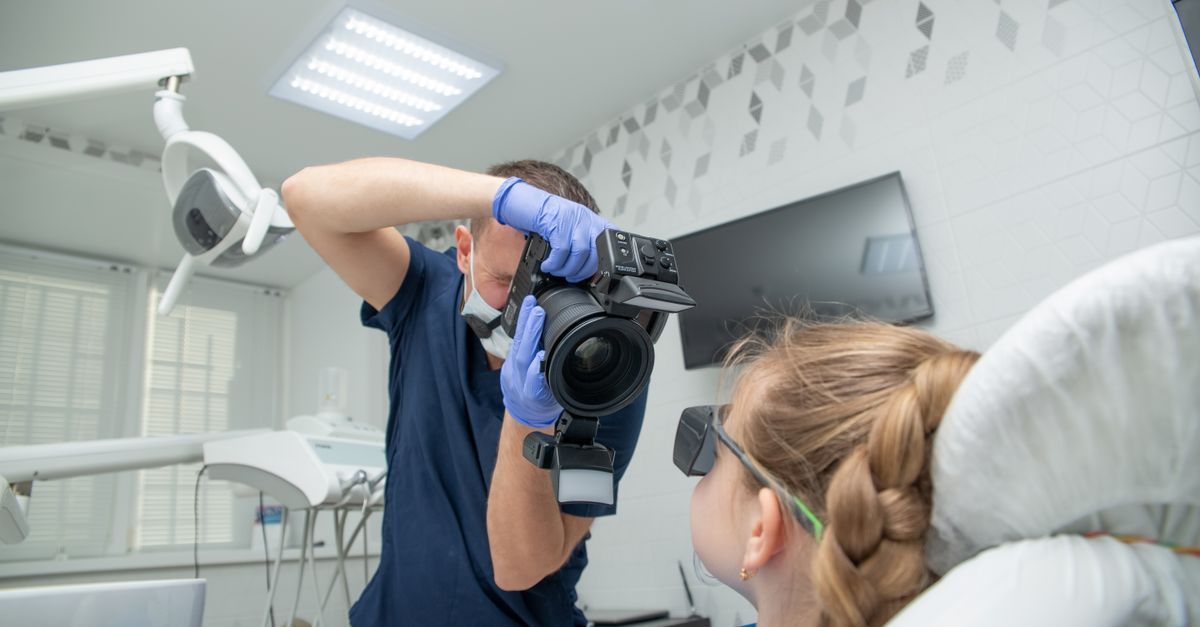
- Evaluation: exam, panoramic and cephalometric X-rays and photos to assess teeth and jaw growth.
- Decision: the orthodontist explains whether to treat now or monitor.
- Early appliances: if needed, an expander widens the upper jaw, or a functional appliance or facemask guides jaw growth.
- Observation: periodic checks while permanent teeth erupt.
- Comprehensive treatment: braces or aligners in adolescence, followed by retainers.
Recovery and aftercare
Children usually adapt to appliances within a week. Expanders can cause pressure and a temporary gap between front teeth, which is expected. Parents should help with brushing around appliances, check that removable devices are worn as prescribed, and keep regular appointments. Sugary snacks and sticky foods should be limited.
Risks and side effects
Early treatment does not always eliminate the need for later braces, and results depend on growth and cooperation. Poor hygiene can cause decay or white spots. Removable appliances only work when worn.
Choosing a clinic for children's orthodontics in Seomyeon
- Look for a board-certified orthodontist who explains clearly why early treatment is or is not needed now.
- Ask how growth will be monitored and when the next stage might start.
- Ask how the clinic helps children cooperate, such as wear charts or reminders.
- Check after-school or weekend appointment availability.
- For foreign families, ask whether instructions can be given in English and whether records can be shared if you move.
Family logistics
Orthodontic visits for children recur over years, so a clinic near school or home is practical. Seomyeon is reachable by Lines 1 and 2, convenient for families across Busan.
Key facts
- First check: commonly around age 7
- Phase 1 (early) treatment: usually about ages 7–10, for selected problems
- Phase 2: braces or aligners once most permanent teeth erupt
- Common appliances: palatal expanders, functional appliances, space maintainers, facemasks
- Treats: crossbite, crowding, underbite, protruding teeth, habits
- Parent role: supervising wear, hygiene and appointments
Frequently asked questions
At what age should my child see an orthodontist?
Many orthodontists recommend a first evaluation around age 7, when early problems become visible. Most children do not need treatment at that age, but some benefit from early intervention.
Does early orthodontic treatment avoid braces later?
Sometimes it simplifies or shortens later treatment, but many children still need braces or aligners when permanent teeth come in.
Can children use clear aligners?
Some aligner systems are designed for children and teens. They require reliable wear, so parents need to supervise. Fixed appliances may suit younger or less consistent wearers.
Does a palatal expander hurt?
Children usually feel pressure for a few days after starting and after adjustments. A gap between front teeth may appear temporarily, which is a normal sign of expansion.
Should my child's underbite be treated early?
A developing underbite is one of the problems often treated early, because growth can be guided. An orthodontist will assess whether early treatment is appropriate.
Medical disclaimer: Seomyeon.Clinic is an independent information directory. Content is for general education and does not replace a consultation with a licensed physician. Suitability, risks, results and costs vary by person and clinic. In an emergency in Korea, call 119.