
Orthodontics in Seomyeon, Busan
Orthodontics in Seomyeon covers straightening teeth and correcting bites with braces, clear aligners, mini-screws, retainers and, for skeletal problems, combined jaw surgery. Many orthodontic clinics cluster around Seomyeon Station. Treatment begins with X-rays, photos and a 3D scan, then regular visits every 4–10 weeks. Most comprehensive cases take about 12–30 months, followed by long-term retainers.
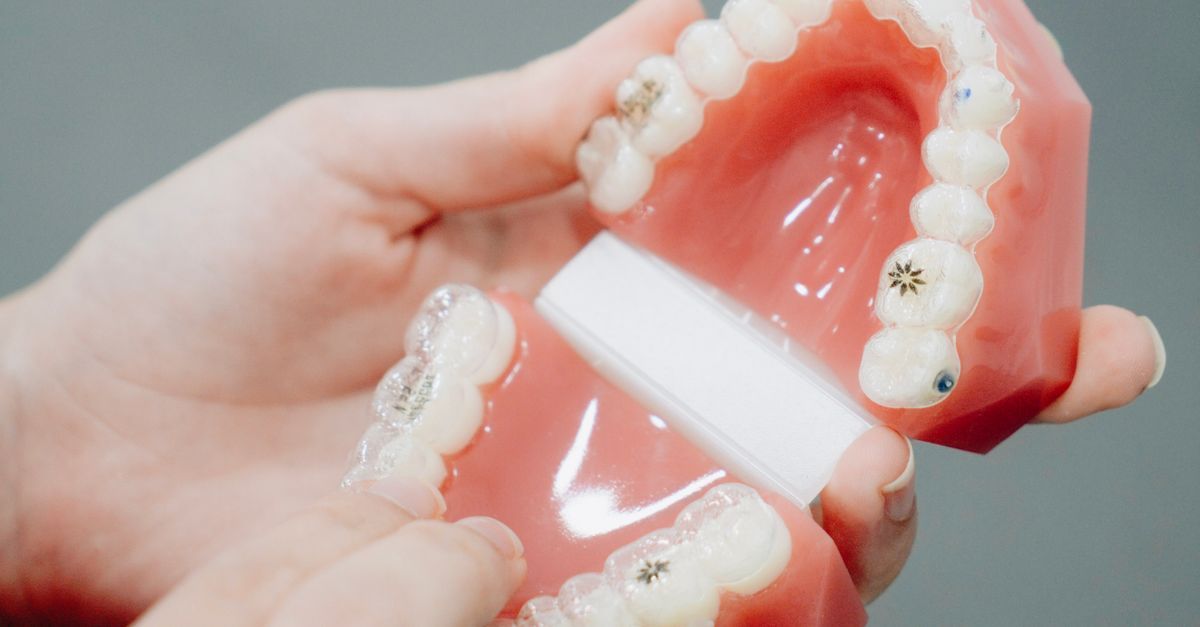
What orthodontics covers
Orthodontics is the dental specialty focused on the position of teeth and the relationship between the jaws. It includes treatment for crowding, gaps, protruding teeth, overbites, underbites, crossbites and open bites, as well as early growth guidance for children. Appliances range from metal, ceramic, lingual and self-ligating braces to clear aligners such as Invisalign, plus mini-screws for extra anchorage. In Korea, board-certified orthodontists (교정과 전문의) have completed specialty training beyond general dentistry.
Common reasons people visit in Seomyeon
- Adults wanting discreet alignment with aligners or lingual braces
- Protruding mouth (돌출입) correction, a frequent request in Korea
- Children's first orthodontic checks and early treatment
- Relapse after previous braces, and replacement retainers
- Planning tooth positions before implants or veneers
How orthodontic clinics typically work in Korea
Orthodontic care is mostly delivered in private specialist clinics by appointment, rather than walk-in. A first consultation usually includes an exam and discussion; full diagnostic records (panoramic and cephalometric X-rays, photos and scans) follow if you proceed. The orthodontist then presents a treatment plan with options, timeline and fees. Cases needing jaw surgery are coordinated with oral and maxillofacial surgeons at hospitals. Routine orthodontics is generally not covered by Korean National Health Insurance.
Tips for foreigners
- Orthodontics takes many months; start only if you will be in Busan for the treatment period or can return regularly.
- Ask whether your case can be transferred if you move, and request copies of records and scans.
- Clarify what the fee includes: records, refinements, emergency repairs and retainers.
- Ask whether English explanations are available, especially for elastics and aligner wear instructions.
How to choose an orthodontist
Look for a board-certified orthodontist who explains the diagnosis, shows your X-rays, and compares options honestly, including limits of aligners and when extractions or surgery may be needed. Be cautious of guaranteed short timelines. Ask about the retention plan before starting. Seomyeon Station, where Busan Metro Lines 1 and 2 meet, makes regular visits easy from most of the city.
Treatment guides
- Clear Aligners
- Invisalign
- Metal Braces
- Ceramic Braces
- Lingual (Hidden) Braces
- Self-Ligating Braces
- Adult Orthodontics
- Children's Orthodontics
- Overbite Correction
- Underbite Correction
- Crossbite Correction
- Open Bite Correction
- Crowded Teeth Correction
- Gap Teeth (Diastema) Correction
- Protruding Mouth Correction
- Mini-Screw (TAD) Orthodontics
- Partial Orthodontics
- Orthodontic Retainers
- Surgical Orthodontics
- Accelerated Orthodontics
Frequently asked questions
How long does orthodontic treatment take?
Limited cases may take 3–12 months; comprehensive treatment commonly takes about 12–30 months. Surgical cases and complex bites can take longer. Retainers are needed afterwards.
Can I start orthodontic treatment in Busan if I am only staying a short time?
It is usually not advisable unless you can return for regular check-ups or transfer your case. Discuss your plans before starting so the orthodontist can advise realistically.
Braces or clear aligners: which is better?
Both can work well. Aligners are discreet and removable for mild to moderate cases; braces offer more control for complex movements. Your orthodontist should explain which suits your bite.
Is orthodontic treatment covered by Korean health insurance?
Routine orthodontic treatment for appearance or alignment is generally not covered by NHI. Coverage questions for surgical cases should be checked with the hospital.
Do I need to see a specialist orthodontist?
General dentists may offer some orthodontics, but board-certified orthodontists have specialty training. For complex bites, children's growth issues or surgery, a specialist is recommended.
Medical disclaimer: Seomyeon.Clinic is an independent information directory. Content is for general education and does not replace a consultation with a licensed physician. In an emergency in Korea, call 119.