
Crossbite Correction in Seomyeon, Busan
Crossbite correction treats teeth that bite on the wrong side of their opposing teeth, either at the front (anterior) or back (posterior). At Seomyeon orthodontic clinics, children are often treated with a palatal expander or simple appliance, while teens and adults use braces or aligners, sometimes with mini-screw-assisted expansion or surgery. Treatment ranges from a few months to about two years.
Independent patient guide · Medically informative, not a substitute for a doctor's advice · Last reviewed:
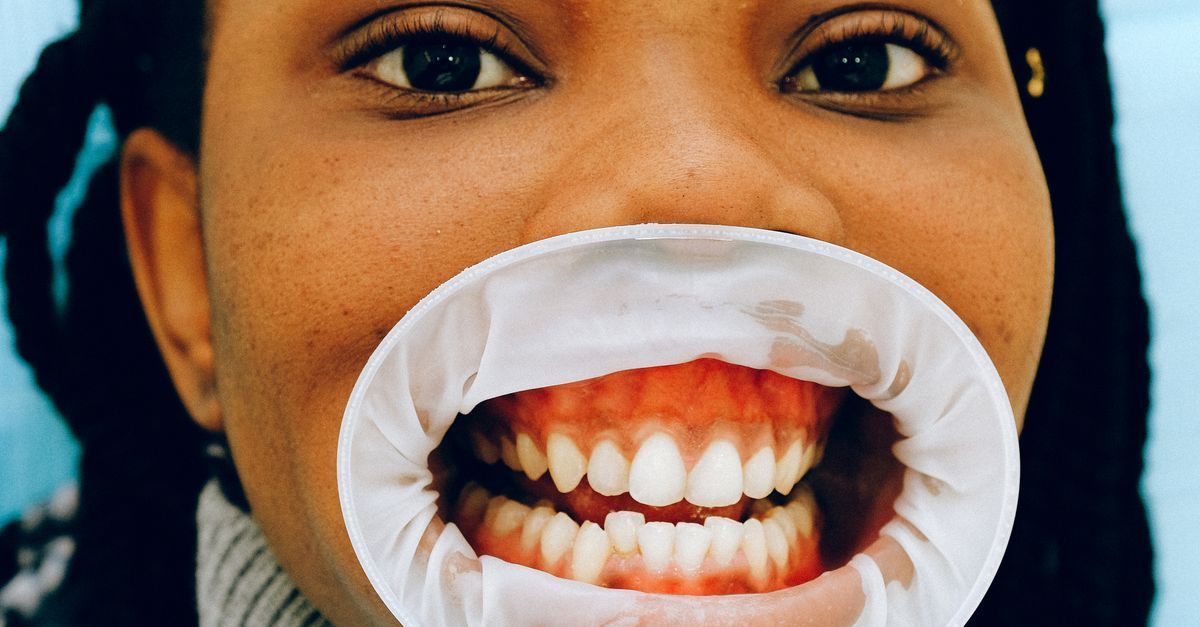
What is a crossbite?
A crossbite occurs when one or more upper teeth bite inside the lower teeth instead of slightly outside. A posterior crossbite usually reflects a narrow upper jaw, and may cause the lower jaw to shift to one side on closing. An anterior crossbite involves one or more front teeth and may be dental or part of an underbite.
Signs and when to see an orthodontist
- Upper back teeth sitting inside the lower teeth on one or both sides
- A single upper front tooth behind the lower teeth
- Jaw sliding sideways when biting together
- Uneven tooth wear, chipping or gum recession on affected teeth
- Facial asymmetry developing in a growing child
What happens at the clinic
- Assessment: bite examination, X-rays and scans to determine whether the jaw is narrow or teeth are tipped.
- Children: a fixed or removable palatal expander widens the upper jaw by separating the midline suture, usually over weeks, followed by a holding period.
- Single-tooth crossbites: a simple appliance, braces or aligners can tip the tooth into position.
- Adults: because the suture has fused, expansion may require mini-screw-assisted expanders (MARPE) or surgically assisted expansion; braces or aligners then align teeth.
- Retention: the expanded width is held with retainers.
Treatment outlook
Crossbites in children often respond quickly and well, which is why early correction is commonly advised. Adult correction is possible but more involved. Correcting a functional shift can help reduce jaw strain and uneven wear.
Risks and side effects
Expanders cause temporary pressure, speech changes and a gap between front teeth. In adults, tipping teeth outward without true jaw expansion can strain gums. Surgical options carry additional risks discussed by the surgeon.
Choosing a clinic for crossbite correction in Seomyeon
- Ask whether your crossbite is skeletal (narrow jaw) or dental (tipped teeth).
- For adults, ask whether MARPE or surgical expansion is considered and the orthodontist's experience with it.
- For children, ask how long the expander stays in and how activation is done at home.
- Ask how gum health will be monitored during expansion.
- Check the retention plan to prevent relapse.
Visiting tip
Expander activation often needs a check within the first weeks, so choose a clinic you can reach easily. Seomyeon is a direct ride on Line 1 or Line 2 from much of Busan.
Key facts
- Types: anterior (front) and posterior (back), one-sided or both sides
- Causes: narrow upper jaw, tooth position, habits, jaw growth pattern
- Children: expanders often work well before growth ends
- Adults: braces, aligners, mini-screw-assisted expansion or surgical expansion
- Duration: a few months for simple cases; up to about 2 years with full braces
- Why treat: uneven wear, gum recession, jaw shifting and asymmetry
Frequently asked questions
Is a crossbite serious?
It is not an emergency, but untreated crossbites can cause uneven tooth wear, gum recession, jaw shifting and, in growing children, facial asymmetry. Early assessment is recommended.
Can adults fix a crossbite?
Yes. Dental crossbites can be corrected with braces or aligners. Skeletal crossbites may need mini-screw-assisted or surgically assisted expansion because the jaw suture has fused.
How long does a palatal expander stay in?
Active expansion often takes a few weeks, followed by several months of holding to let new bone fill in. Your orthodontist will set the exact schedule.
Does a crossbite affect the jaw joint?
A crossbite that forces the jaw to shift can place uneven strain on the joints and muscles. Correcting it removes the shift, though not all jaw problems are caused by bite issues.
Can clear aligners fix a crossbite?
Aligners can correct some dental crossbites, especially single teeth. Skeletal crossbites usually need expansion appliances before or alongside aligners or braces.
Medical disclaimer: Seomyeon.Clinic is an independent information directory. Content is for general education and does not replace a consultation with a licensed physician. Suitability, risks, results and costs vary by person and clinic. In an emergency in Korea, call 119.