
Underbite Correction in Seomyeon, Busan
Underbite correction treats a bite where the lower front teeth sit in front of the upper front teeth, often due to a larger lower jaw or smaller upper jaw (Class III). At Seomyeon orthodontic clinics, children may be treated early with expanders or a facemask, while adults are treated with braces or aligners alone for mild cases or with jaw surgery for skeletal cases.
Independent patient guide · Medically informative, not a substitute for a doctor's advice · Last reviewed:
What is an underbite?
In a normal bite, the upper front teeth sit slightly in front of the lower front teeth. In an underbite, the lower teeth are in front. It may be dental, caused mainly by tooth angles, or skeletal, where the lower jaw is larger or the upper jaw is smaller or set back. Underbites often run in families and are relatively common in East Asian populations.
Signs and when to see an orthodontist
- Lower front teeth biting in front of the upper teeth
- A prominent chin or concave profile
- Difficulty biting or chewing, or tooth wear
- Speech difficulties with certain sounds
- Jaw shifting forward when closing
For children, early assessment matters because treatment can work with growth.
What happens at the clinic
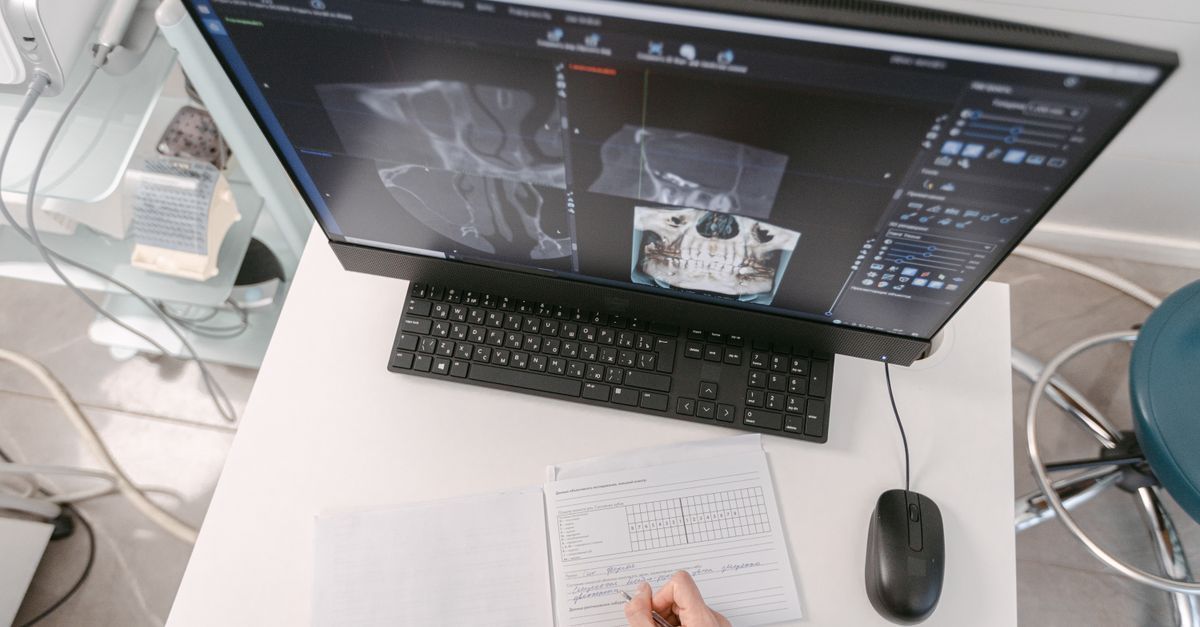
- Diagnosis: cephalometric X-ray, photos and scans to identify dental or skeletal causes and assess growth.
- Early treatment (children): a palatal expander and facemask may encourage forward growth of the upper jaw; other appliances can correct functional shifts.
- Orthodontic camouflage (mild cases): braces or aligners adjust tooth angles, sometimes with elastics, mini-screws or extractions.
- Surgical correction (skeletal cases): pre-surgical orthodontics, jaw surgery performed by an oral and maxillofacial surgeon, then post-surgical orthodontics.
- Retention and monitoring: retainers and checks, especially because lower jaw growth can continue into the late teens.
Treatment outlook
Mild dental underbites respond well to orthodontics. Children treated early may need a second phase or, if growth continues strongly, surgery later. Adults with significant skeletal underbites usually achieve the best function and profile with combined orthodontic and surgical treatment.
Risks and side effects
Camouflage treatment has limits and may not improve facial profile. Surgery carries risks such as swelling, temporary numbness of the lip and chin, and a recovery period. Relapse can occur if growth continues after treatment.
Choosing a clinic for underbite correction in Seomyeon
- Ask whether your underbite is dental or skeletal and what that means for options.
- For children, ask about the best timing and whether facemask therapy is recommended.
- For adults, ask for an honest comparison of camouflage vs surgery outcomes.
- If surgery is discussed, ask which hospital and surgeon the orthodontist works with.
- Ask how growth will be monitored after treatment in teenagers.
Local note
Combined orthodontic–surgical care involves both a clinic and a hospital over one to two years. Seomyeon's central position on Busan's metro helps coordinate appointments.
Key facts
- Also called: Class III malocclusion, anterior crossbite (주걱턱)
- Causes: jaw growth pattern, genetics, tooth position
- Children: early treatment with expanders, facemask or appliances
- Mild adult cases: orthodontic camouflage with braces or aligners
- Severe adult cases: orthognathic surgery combined with braces
- Monitoring: lower jaw growth can continue into late teens
Frequently asked questions
Can an underbite be fixed without surgery?
Mild to moderate underbites, especially dental ones, can often be corrected or camouflaged with braces or aligners. Severe skeletal underbites in adults typically need jaw surgery for full correction.
When should a child's underbite be treated?
An orthodontist may recommend early treatment, often between about ages 6 and 10, to guide upper jaw growth. Assessment as soon as an underbite is noticed is sensible.
How long does underbite correction take?
Orthodontic-only treatment often takes about 12–30 months. Combined surgical treatment, including pre- and post-surgical orthodontics, commonly takes about 18–30 months or more.
Can clear aligners fix an underbite?
Aligners with elastics can improve some mild dental underbites. Skeletal cases usually need fixed braces and possibly surgery.
Will my child's underbite come back?
It can, because the lower jaw may keep growing into the late teens. Ongoing monitoring is important, and some patients need further treatment after growth ends.
Medical disclaimer: Seomyeon.Clinic is an independent information directory. Content is for general education and does not replace a consultation with a licensed physician. Suitability, risks, results and costs vary by person and clinic. In an emergency in Korea, call 119.