
Two-Jaw (Orthognathic) Surgery in Seomyeon, Busan
Two-jaw surgery (양악수술) is orthognathic surgery that cuts and repositions both the upper jaw (maxilla) and lower jaw (mandible) to correct a misaligned bite and facial imbalance. In Seomyeon, Busan, it involves orthodontic preparation, 3D CT planning, about 3–5 hours of surgery under general anesthesia and a hospital stay of several days. Initial recovery takes around 4–6 weeks.
Independent patient guide · Medically informative, not a substitute for a doctor's advice · Last reviewed:
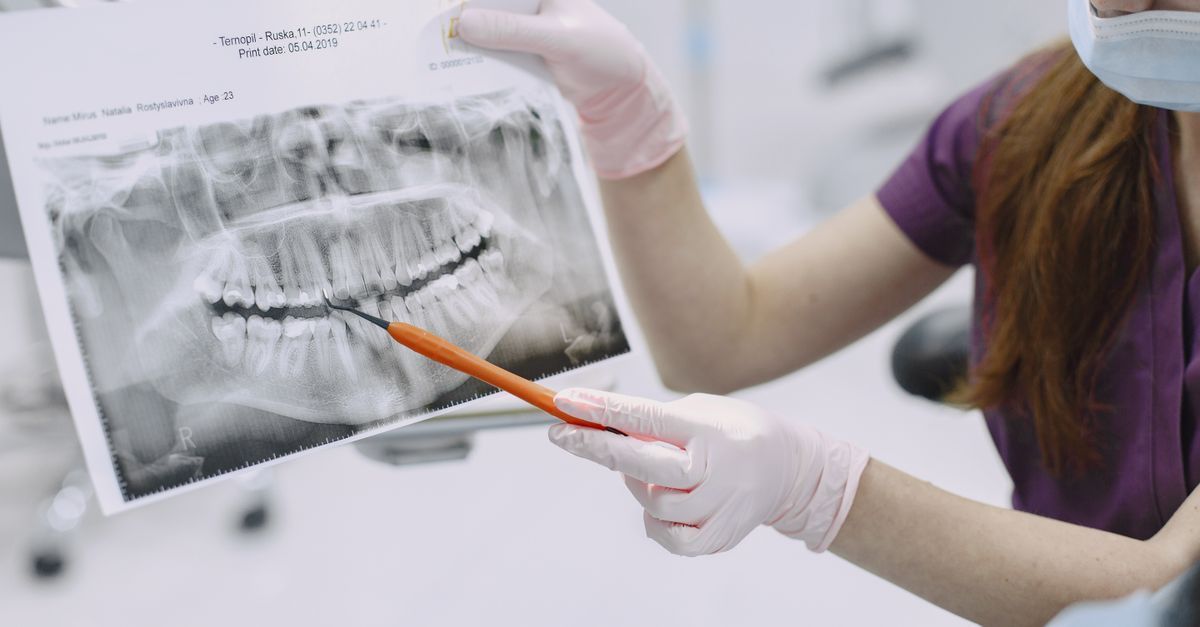
What is two-jaw surgery?
Two-jaw surgery corrects skeletal problems where the upper and lower jaws do not meet properly. The upper jaw is usually cut along a Le Fort I line and the lower jaw split along its ramus (sagittal split osteotomy); both are moved into a planned position and fixed with titanium plates. It changes both how teeth meet and how the face looks in profile and from the front. Chin surgery is sometimes added.
Who is it for?
- People with a skeletal underbite (Class III) or severe overbite (Class II)
- Open bite, where front teeth do not touch
- Visible facial asymmetry or a canted jaw
- Chewing, speech or breathing problems linked to jaw position
Jaw growth must be complete, usually late teens for women and around 18–20 for men. Problems limited to tooth position are better treated with orthodontics alone.
What happens at the clinic
- Diagnosis: 3D CT, cephalometric X-rays, dental models or scans and photographs.
- Pre-surgical orthodontics: braces align the teeth to each jaw, often for months; surgery-first protocols shorten this.
- Virtual planning: jaw movements are simulated and surgical splints or guides are made.
- Surgery: intraoral incisions, bone cuts, repositioning and fixation under general anesthesia.
- Hospital recovery: airway and swelling monitoring, pain control and liquid nutrition.
- Post-surgical orthodontics: braces fine-tune the bite over following months.
Recovery and aftercare
Swelling peaks over 2–3 days and reduces substantially in 2–3 weeks. A liquid, then soft diet is needed for about 4–6 weeks; some patients wear elastics to guide the bite. Lip and chin numbness is common and gradually improves over months. Most people return to study or office work after 2–4 weeks.
Risks and side effects
Risks include nerve injury with lasting numbness, bleeding, infection, relapse of jaw position, bite discrepancies needing further orthodontics, temporomandibular joint discomfort, plate problems requiring removal and, rarely, poor bone healing. Because of airway swelling, close inpatient monitoring is standard.
Choosing a clinic for two-jaw surgery in Seomyeon
- Confirm the surgeon is a board-certified oral and maxillofacial or plastic surgeon with extensive orthognathic experience.
- Ask who your orthodontist will be and how surgeon and orthodontist coordinate.
- Ask whether conventional or surgery-first sequencing suits your case and why.
- Confirm inpatient facilities, an anesthesiologist and overnight nursing are on site.
- Plan realistically for 1–2 years of orthodontic visits; this is hard to do from abroad.
For people living in or moving to Busan
Because orthodontic follow-up spans many months, two-jaw surgery best suits residents or long-stay visitors. Seomyeon's central position on Lines 1 and 2 makes regular visits manageable.
Key facts
- Treats: underbite, severe overbite, open bite, facial asymmetry, long or protruding lower face
- Team: oral and maxillofacial or plastic surgeon plus orthodontist
- Approaches: conventional (braces first) or surgery-first orthodontics
- Procedure time: about 3–5 hours
- Anesthesia: general
- Hospital stay: typically several days
- Orthodontic treatment: often 1–2 years in total
Frequently asked questions
How long does recovery from two-jaw surgery take?
Hospital stay is usually several days. Most people return to desk work or school within 2–4 weeks, eat soft foods for around six weeks and see swelling largely settle by three months. Bone healing and final facial shape continue for months.
Do I need braces for two-jaw surgery?
Yes, nearly always. Braces are used before and after surgery to align teeth and fine-tune the bite. Surgery-first approaches shorten the pre-surgery phase but still require orthodontics afterward.
Is two-jaw surgery covered by insurance in Korea?
Purely cosmetic jaw surgery is not covered by National Health Insurance. When surgery treats a diagnosed functional jaw deformity, coverage may be assessed differently. Ask the hospital to review your diagnosis and explain coverage in writing.
Two-jaw surgery vs V-line surgery: what is the difference?
Two-jaw surgery moves the jaws to correct the bite and skeletal alignment. V-line surgery shaves or trims bone to change contour without moving the bite. If your teeth do not meet properly, V-line alone will not fix that.
Will my face look very different after two-jaw surgery?
Often noticeably, especially in profile, because the jaws are repositioned. The degree depends on the movements needed. Ask to review the 3D simulation so you understand the expected change before deciding.
Medical disclaimer: Seomyeon.Clinic is an independent information directory. Content is for general education and does not replace a consultation with a licensed physician. Suitability, risks, results and costs vary by person and clinic. In an emergency in Korea, call 119.