
Cheekbone Reduction in Seomyeon, Busan
Cheekbone reduction (광대축소술) is facial contouring surgery that narrows prominent cheekbones (the zygoma and zygomatic arch) by cutting, repositioning and fixing the bone inward. In Seomyeon, Busan, it typically follows 3D CT planning and takes about 1.5–3 hours under general anesthesia, using small incisions inside the mouth and near the sideburn. Main swelling eases over 2–3 weeks.
Independent patient guide · Medically informative, not a substitute for a doctor's advice · Last reviewed:
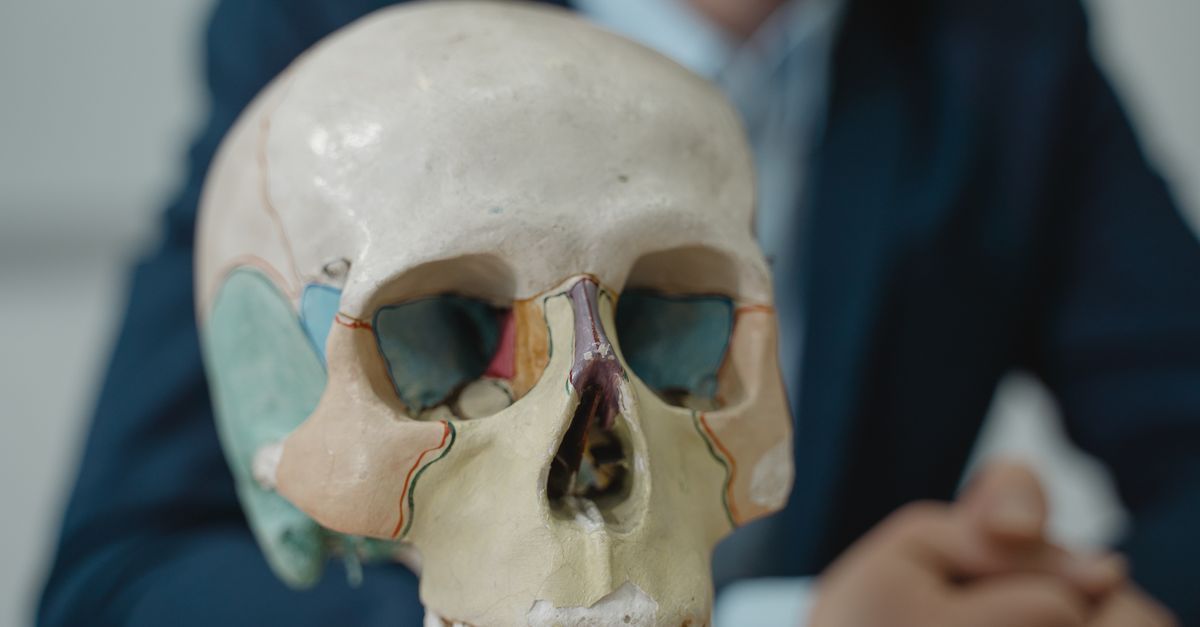
What is cheekbone reduction?
Cheekbone reduction (zygoma reduction) makes the midface look narrower and softer. Typically the surgeon makes an L-shaped or similar cut in the body of the cheekbone through the mouth, and a second cut at the arch near the ear through a short incision by the sideburn. The bone segment is then moved inward and fixed with plates or screws. Some techniques also shave the front of the cheekbone.
Who is it for?
- Adults whose face looks wide at the cheek level, often with flat temples below a prominent arch
- People seeking a smoother oval face shape, sometimes combined with V-line surgery
- Those in good general health with stable weight
If you already have thin cheeks, sagging skin or significant midface ageing, reducing bone support can worsen sagging, so a careful assessment is important.
What happens at the clinic
- Consultation: facial measurements, photographs and a 3D CT scan to map the bone, sinus and nerve positions.
- Planning: agreement on how far the arch and body should move and whether frontal reduction is needed.
- Pre-operative tests: bloods, ECG and anesthesia review.
- Surgery: bone cuts and inward repositioning, fixation, then closure of intraoral and sideburn incisions.
- Overnight care: compression garment, cold therapy and monitoring.
Recovery and aftercare
Swelling is greatest in the first 3–4 days and largely resolves over 2–3 weeks. Soft foods are advised for several weeks, along with careful mouth rinsing after meals. Avoid pressure on the cheeks, such as sleeping face-down, and avoid hard chewing for around a month while bone heals. Numbness of the cheek or upper lip usually improves over months.
Risks and side effects
Risks include asymmetry, incomplete bone healing (nonunion) at the arch, cheek soft tissue sagging, nerve weakness affecting the forehead or eyebrow movement (rare), infection, temporary jaw stiffness and numbness. Discuss with your surgeon how they fix the bone and support soft tissue to reduce sagging.
Choosing a clinic for cheekbone reduction in Seomyeon
- Choose a board-certified plastic surgeon with substantial facial bone contouring experience.
- Ask how they fix the arch segment and how they monitor bone healing.
- Ask whether they suspend or support the cheek soft tissue to lower sagging risk.
- Confirm an anesthesiologist and inpatient monitoring are available.
- Agree on a follow-up plan, including a CT or X-ray check at a few months if needed.
Getting around
Plan about 10–14 days in Busan. Most contouring clinics are clustered near the Seomyeon metro interchange, which keeps follow-ups convenient.
Key facts
- Treats: wide midface, prominent front or side cheekbones
- Incisions: inside the mouth plus a small one near the sideburn or hairline
- Fixation: small plates and screws, sometimes absorbable
- Procedure time: about 1.5–3 hours
- Anesthesia: general
- Hospital stay: often overnight
- Final contour: about 3–6 months
Frequently asked questions
How long does swelling last after cheekbone reduction?
Visible swelling peaks around day 3 and mostly settles in 2–3 weeks, when many people return to work. Subtle swelling continues to fade for several months, with the final contour usually seen at 3–6 months.
Can cheekbone reduction cause sagging cheeks?
Yes, it is a recognised risk, especially in older patients or those with thin, lax skin, because bone support is reduced. Surgeons may limit soft-tissue detachment or add a lift to reduce it. Discuss your skin quality honestly.
Are there visible scars?
The main incision is inside the mouth. A short incision near the sideburn or in the hairline is usually hidden by hair. Visible facial scarring is uncommon.
Is cheekbone reduction done with V-line surgery?
Often. Combining them balances the whole face, but it means longer surgery and more swelling. Some people choose one procedure at a time to see how they feel about the change.
When can I chew normally again?
Most surgeons advise soft foods for about 4 weeks and avoiding hard or chewy foods while bone heals. Jaw stiffness can make opening the mouth wide difficult for a few weeks.
Medical disclaimer: Seomyeon.Clinic is an independent information directory. Content is for general education and does not replace a consultation with a licensed physician. Suitability, risks, results and costs vary by person and clinic. In an emergency in Korea, call 119.