
Plastic Surgery in Seomyeon, Busan
Plastic surgery in Seomyeon covers cosmetic and reconstructive procedures such as double eyelid surgery, rhinoplasty, facial bone contouring, facelifts, breast surgery and liposuction. Seomyeon, Busan's main downtown hub, has a dense cluster of plastic surgery clinics around the station. Most procedures need a consultation first, and recovery ranges from a few days for threads to several weeks for bone surgery.
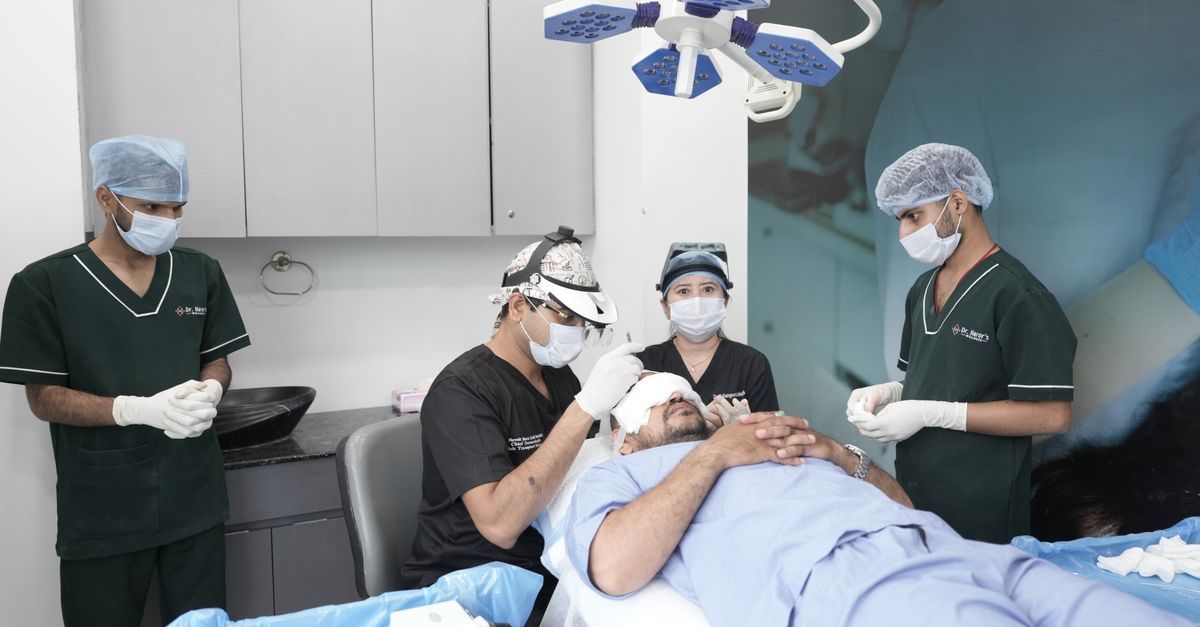
What does plastic surgery cover?
Plastic surgery (성형외과) includes both reconstructive work, such as scar revision and correction of drooping eyelids, and cosmetic surgery to change appearance. In Korea, the most requested procedures are eye surgery (double eyelid, ptosis correction, epicanthoplasty, under-eye fat repositioning), nose surgery, facial contouring (V-line, cheekbone reduction, two-jaw surgery), lifting (facelift, thread lift) and body procedures (liposuction, breast augmentation and reduction, tummy tuck).
Why people visit Seomyeon for plastic surgery
Seomyeon is Busan's main commercial district, and many cosmetic and dermatology clinics are concentrated around Seomyeon Station, Seomyeon 1st Street and toward Jeonpo. Residents of southeastern Korea use it as an alternative to Seoul, and medical travellers from Japan, Taiwan, China and elsewhere come for its central location and easy transport links.
How plastic surgery clinics in Korea typically work
- Appointments: consultations are usually booked in advance. A coordinator often meets you first, followed by the surgeon.
- Clinic vs hospital: most cosmetic procedures are done in private specialist clinics with their own operating rooms. Major bone or long operations may require inpatient beds, which larger clinics or hospitals provide.
- Specialist status: board-certified plastic surgeons are called 성형외과 전문의. Not every doctor offering cosmetic procedures holds this certification, so check.
- Insurance: Korea's National Health Insurance does not cover cosmetic surgery. Some functional procedures may be assessed differently.
Tips for foreigners
- Plan your stay around stitch removal and follow-up: often about a week for eyelid and nose surgery, and two weeks or more for contouring or body surgery.
- Ask for written aftercare instructions and an emergency contact that works in your language.
- Request your operative records and implant details to take home.
- Avoid booking multiple major procedures in one session simply to save time; longer operations carry more risk.
- In an emergency, call 119.
How to choose a clinic
Confirm who will perform your operation and that they are board-certified. Ask how anesthesia is administered and monitored, what happens if a revision is needed and how follow-up will work after you return home. Look for honest discussion of risks and limitations rather than guarantees. Seomyeon Station connects Metro Lines 1 and 2, so you can reach most clinics easily from Busan Station or, via the light rail and Line 2, from Gimhae International Airport.
Treatment guides
- Double Eyelid Surgery
- Ptosis Correction
- Under-Eye Fat Repositioning
- Lower Blepharoplasty
- Epicanthoplasty
- Rhinoplasty
- Revision Rhinoplasty
- Nose Tip Plasty
- V-Line Jaw Surgery
- Cheekbone Reduction
- Two-Jaw (Orthognathic) Surgery
- Forehead Fat Grafting
- Facelift
- Thread Lift
- Breast Augmentation
- Breast Reduction
- Liposuction
- Tummy Tuck (Abdominoplasty)
- Arm Liposuction
- Scar Revision Surgery
Frequently asked questions
How long should I stay in Busan after plastic surgery?
It depends on the procedure. Eyelid and nose surgery usually need about 7–10 days for stitch or splint removal. Facial bone surgery, tummy tucks and breast surgery often need around two weeks. Ask your surgeon for a specific follow-up schedule before booking flights.
How do I check if a surgeon is board-certified in Korea?
Ask the clinic directly whether the operating surgeon is a plastic surgery specialist (성형외과 전문의). Certified specialists can usually show their specialist credentials, and many clinics state this on their signage and websites.
Is plastic surgery covered by insurance in Korea?
Cosmetic procedures are not covered by Korea's National Health Insurance. Some reconstructive or functional procedures, such as correcting a vision-blocking eyelid or a breathing problem, may be assessed differently. Travel insurance rarely covers elective surgery.
Do plastic surgery clinics in Seomyeon speak English?
Many clinics that see international patients have English, Japanese or Chinese-speaking coordinators, but this varies. Confirm language support before your consultation and make sure the surgeon's explanations are interpreted accurately.
Can I combine several procedures in one trip?
Combining compatible procedures, such as eyelid and nose surgery, is common. However, longer operations increase anesthesia and complication risk. A good surgeon will advise what can safely be combined and may recommend staging major procedures.
Medical disclaimer: Seomyeon.Clinic is an independent information directory. Content is for general education and does not replace a consultation with a licensed physician. In an emergency in Korea, call 119.