
Rhinoplasty in Seomyeon, Busan
Rhinoplasty (코 성형) is surgery that reshapes the nose by changing its bridge, tip or width, using cartilage grafts, implants or tissue removal. In Seomyeon, Busan, it typically involves a CT or photo-based consultation, then 1.5–3 hours of surgery under general anesthesia or deep sedation. A splint stays on for about a week; most swelling settles over 3–6 months.
Independent patient guide · Medically informative, not a substitute for a doctor's advice · Last reviewed:
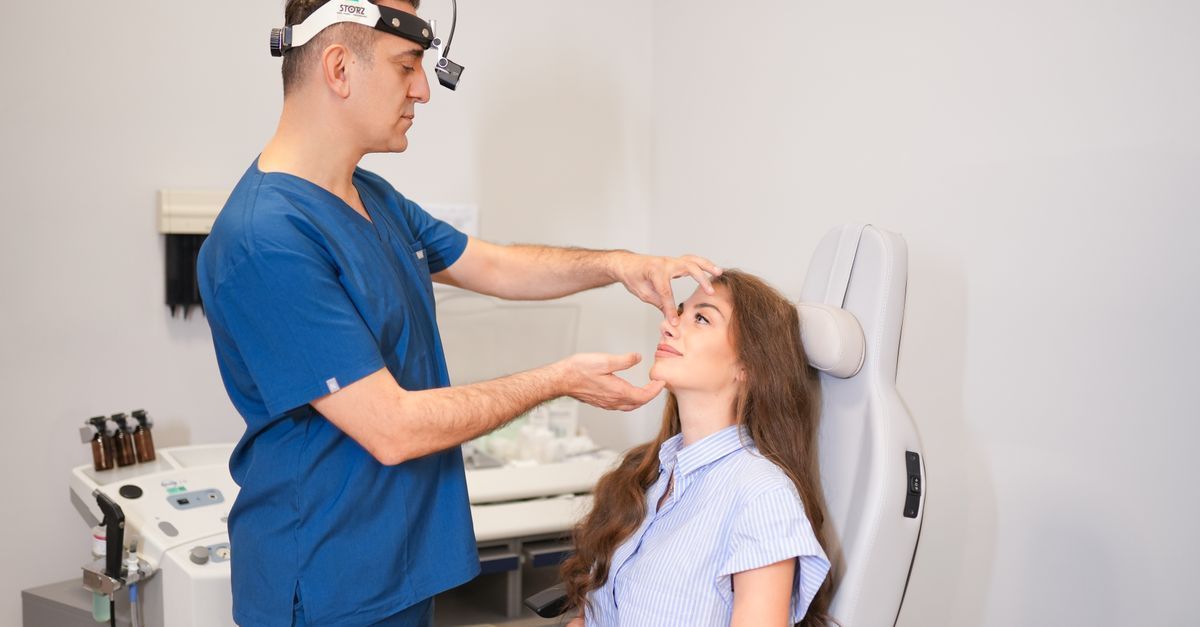
What is rhinoplasty?
Rhinoplasty changes the shape of the nose. In Korea, the most common goals are raising a low bridge and refining a rounded tip, while Western-style reductions (removing a hump or narrowing a wide bony vault) are also performed. Surgeons build structure using:
- Implants: silicone or expanded PTFE (Gore-Tex) placed along the bridge.
- Autologous cartilage: from the septum, ear or rib, used for tip support and sometimes the bridge, with lower long-term implant-related risk.
- Dermis or fascia: soft tissue that can cover an implant or smooth contours.
Open rhinoplasty uses a small incision across the columella for precise tip work; closed rhinoplasty keeps all incisions inside the nostrils.
Who is it for?
Healthy adults whose facial growth is complete, usually from around 18, who want a specific, realistic change. If you have breathing problems from a deviated septum, a functional septoplasty can often be combined.
What happens at the clinic
- Consultation: photographs, nasal examination and sometimes a facial CT scan to check bone and septum.
- Planning: material choice, bridge height and tip projection are agreed with the face in proportion.
- Pre-op tests: blood tests, ECG and an anesthesia review.
- Surgery: typically 1.5–3 hours; cartilage is harvested if needed.
- After surgery: a splint and nasal packing or silicone tubes are placed; some clinics keep you a few hours or overnight.
Recovery and aftercare
Swelling and bruising around the eyes peak in the first 3 days. The splint and stitches usually come off at about a week, when many people return to work. Avoid glasses resting on the bridge, blowing the nose, alcohol, smoking and strenuous exercise for several weeks. Bridge swelling settles within months, but tip swelling can take up to a year.
Risks and side effects
Infection, implant visibility, movement or extrusion, capsular contracture causing tip retraction, asymmetry, breathing changes, persistent swelling and dissatisfaction with shape are the main concerns. Rib cartilage can warp. Report increasing redness, discharge or pain over the implant promptly.
Choosing a clinic for rhinoplasty in Seomyeon
- Confirm the surgeon is a board-certified plastic surgeon (성형외과 전문의) and who will perform each step.
- Ask which graft or implant they suggest for your skin thickness and why.
- Ask whether an anesthesiologist is present during general anesthesia.
- Ask to see before-and-after cases with noses similar to yours.
- Clarify the follow-up schedule and what happens if revision is needed.
Planning your stay
Plan about 7–10 days in Busan. Seomyeon is reached directly by Line 1 from Busan Station, which helps if you arrive by KTX.
Key facts
- Treats: low or crooked bridge, bulbous or droopy tip, wide nostrils, dorsal hump
- Materials: silicone or Gore-Tex implants, own septal, ear or rib cartilage
- Procedure time: about 1.5–3 hours
- Anesthesia: general or deep IV sedation
- Splint and stitches: removed around day 5–7
- Final shape: about 6–12 months, tip last
- Typical NHI coverage: cosmetic not covered; septal surgery for breathing may be
Frequently asked questions
How long does it take to recover from rhinoplasty?
Most people return to work once the splint is removed, after about a week. Visible bruising fades in roughly two weeks. Swelling decreases steadily but the final shape, especially the tip, can take 6–12 months to appear.
Implant or cartilage: which is better for my nose?
Implants give a smooth bridge with less surgery, while your own cartilage has lower infection and extrusion risk and is preferred for tip work. Many Korean rhinoplasties combine both. Skin thickness and goals decide the best mix.
Does rhinoplasty hurt?
Pain is usually moderate and controlled with medication. The most uncomfortable part for many is breathing through the mouth while nasal packing or splints are in place during the first days.
Can I fly home after rhinoplasty in Busan?
Most surgeons suggest waiting until the splint is removed and the first check is done, around 7–10 days, before flying. Cabin pressure can briefly increase swelling and discomfort.
Is rhinoplasty covered by insurance in Korea?
Cosmetic rhinoplasty is not covered by National Health Insurance. If a deviated septum blocks breathing, the functional septoplasty part may be assessed differently, so ask the clinic to separate the two.
Medical disclaimer: Seomyeon.Clinic is an independent information directory. Content is for general education and does not replace a consultation with a licensed physician. Suitability, risks, results and costs vary by person and clinic. In an emergency in Korea, call 119.