
Septoplasty (Deviated Septum) in Seomyeon, Busan
Septoplasty straightens a deviated nasal septum, the wall between the nostrils, to improve breathing through the nose. At Seomyeon ENT clinics and hospitals, it is usually done through the nostrils under general or local anesthesia with sedation, taking about 30–90 minutes, often combined with turbinate reduction. Most people return to desk work within about a week.
Independent patient guide · Medically informative, not a substitute for a doctor's advice · Last reviewed:
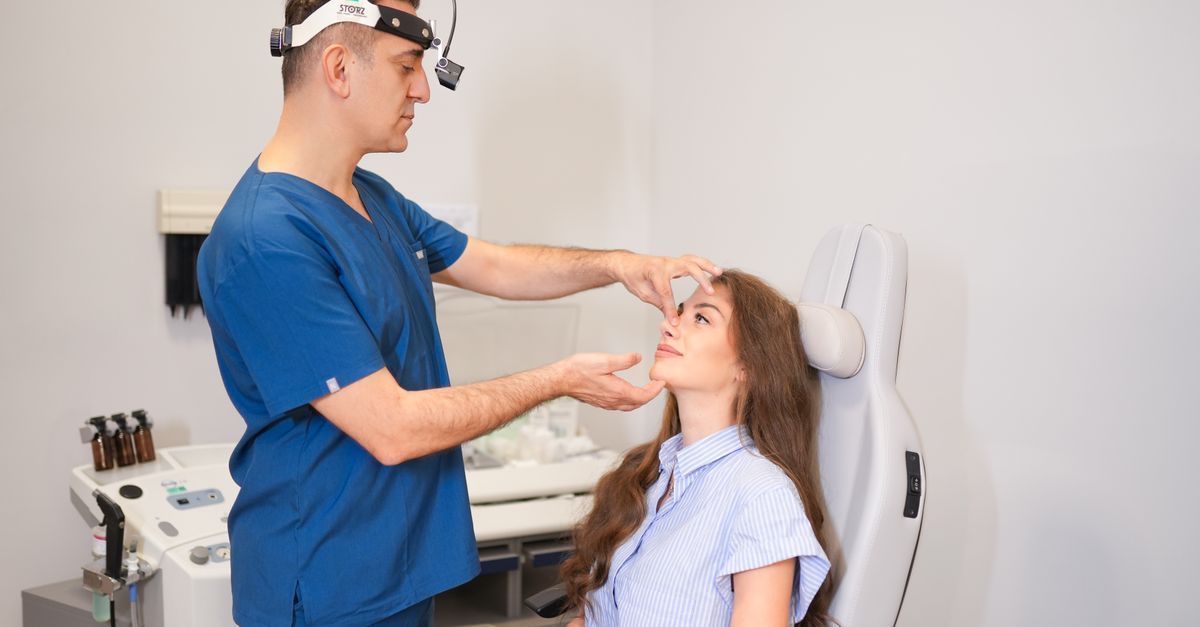
What is a deviated septum?
The nasal septum is made of cartilage and bone and divides the nose into two passages. Many people have some deviation, but when the bend is significant it narrows one or both sides, causing chronic blockage. It may be present from birth or result from an injury. A deviated septum can also contribute to sinus problems, snoring and difficulty using CPAP.
Symptoms and when to see a doctor
- Persistent blockage, often worse on one side
- Mouth breathing, dry mouth and snoring
- Frequent sinus infections or nosebleeds
- Noisy breathing during sleep
- Difficulty with exercise due to restricted nasal airflow
If blockage is mainly from swollen turbinates or allergies, medical treatment may be tried first.
What happens at the clinic
- Assessment: nasal endoscopy and often a CT scan; some clinics measure airflow.
- Pre-operative checks: blood tests, ECG and anesthesia review as needed.
- Surgery: an incision inside the nose allows the surgeon to lift the lining, trim or reposition bent cartilage and bone, and preserve support.
- Combined procedures: turbinate reduction or sinus surgery may be done at the same time.
- Splints or packing: soft splints or dissolvable packing support healing; removal follows after a few days.
Recovery and aftercare
Expect a blocked nose, mild bleeding and pressure for the first week. Avoid blowing your nose, heavy lifting, strenuous exercise and hot baths for the period advised. Saline rinses help clear crusts. Breathing usually improves noticeably once swelling settles over several weeks.
Risks and side effects
Possible complications include bleeding, infection, septal perforation, numbness of the upper front teeth, persistent obstruction and, rarely, changes in nasal shape. Septoplasty alone is not cosmetic, though it can be combined with rhinoplasty (septorhinoplasty).
Choosing a clinic for septoplasty in Seomyeon
- Ask whether surgery is done by a board-certified ENT surgeon (이비인후과 전문의).
- Ask whether a CT scan will check for coexisting sinus disease.
- Ask whether packing or splints are used and how uncomfortable removal is.
- Ask whether turbinate reduction is recommended alongside.
- Confirm follow-up visits and when you can fly.
Planning a stay
Allow about a week in Busan for packing or splint removal and a check before flying. Seomyeon is reachable from Busan Station on Line 1.
Key facts
- Treats: nasal obstruction from a bent septum
- Korean term: 비중격만곡증 수술
- Procedure time: about 30–90 minutes
- Anesthesia: general, or local with sedation
- Incisions: inside the nose; no external scars
- Packing or splints: often removed after a few days to a week
- Return to desk work: usually about 1 week
Frequently asked questions
Will septoplasty change the shape of my nose?
Septoplasty is performed inside the nose and normally does not change its outward appearance. If you want shape changes, septorhinoplasty combines both procedures.
How painful is septoplasty recovery?
Most people describe pressure and congestion rather than severe pain. Discomfort is usually managed with prescribed pain relief and improves over the first week.
When can I breathe through my nose after septoplasty?
Breathing is often blocked for the first week by swelling and splints, then improves gradually over several weeks.
Can a deviated septum cause snoring?
It can contribute by restricting nasal airflow. Septoplasty may help snoring if the nose is a main cause, but other factors often play a role.
When can I fly after septoplasty?
Many surgeons advise waiting until packing or splints are removed and early healing is checked, often about a week. Ask your surgeon for personal advice.
Medical disclaimer: Seomyeon.Clinic is an independent information directory. Content is for general education and does not replace a consultation with a licensed physician. Suitability, risks, results and costs vary by person and clinic. In an emergency in Korea, call 119.