
ENT (Ear, Nose & Throat) in Seomyeon, Busan
ENT (ear, nose and throat) care in Seomyeon covers nasal allergies, sinusitis, sore throats, ear infections, hearing loss, tinnitus, vertigo, snoring, sleep apnea, voice problems and neck lumps. ENT clinics (이비인후과) around Seomyeon Station usually accept walk-ins, and a typical visit takes 10–20 minutes with endoscopic examination. Hearing tests and minor procedures can often be done the same day.
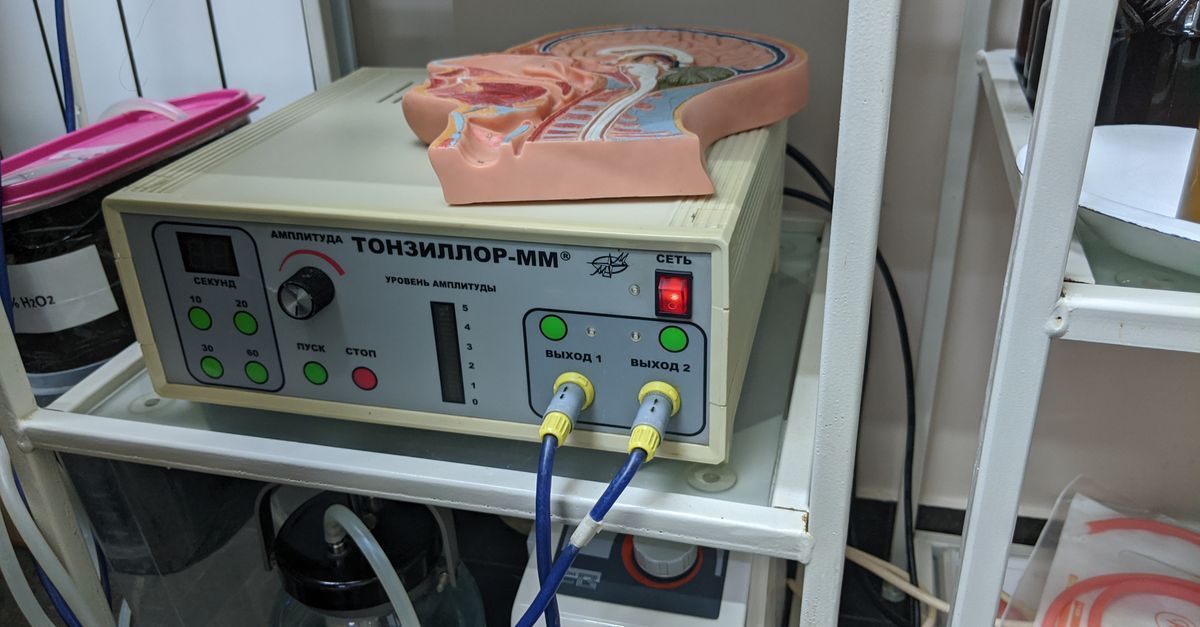
What ENT covers
Otolaryngologists, known in Korea as 이비인후과 전문의, are board-certified specialists who treat conditions of the ears, nose, sinuses, throat, voice box and neck. Their work ranges from everyday problems such as colds, rhinitis and earwax to hearing assessment, dizziness, sleep-disordered breathing and surgery including septoplasty, sinus surgery and tonsillectomy.
Common reasons people visit in Seomyeon
- Runny or blocked nose from allergies, colds or fine dust
- Sore throat, hoarseness or tonsil problems
- Ear pain, blocked ears after flights, or earwax
- Snoring and suspected sleep apnea
- Dizziness, tinnitus or sudden hearing loss
- Neck lumps needing ultrasound
How ENT clinics typically work in Korea
In Korea, people often go directly to an ENT clinic for colds, sore throats and sinus symptoms rather than a general practitioner. Most clinics accept walk-ins and see patients quickly. Visits commonly include nasal or throat endoscopy on a screen, and many clinics offer nasal suction and nebulised medication as part of treatment. Hearing booths, allergy tests and minor procedures such as cautery or turbinate reduction are frequently available on-site. Larger surgery, such as sinus surgery or tonsillectomy, may be done at clinics with inpatient facilities or at hospitals. Korea's National Health Insurance covers many ENT treatments for enrolled patients; foreigners staying six months or more are generally enrolled.
Tips for foreigners
- Expect short consultations; prepare a brief list of symptoms and how long you have had them.
- Bring a list of medications and allergies, especially blood thinners.
- Prescriptions are usually filled at a nearby pharmacy; ask for English dosing instructions if needed.
- For sudden hearing loss or severe dizziness, seek care the same day.
- In an emergency, such as heavy bleeding or breathing difficulty, call 119.
How to choose an ENT clinic
Look for board-certified ENT specialists, endoscopic examination as standard, and on-site hearing testing if you have ear symptoms. For surgery, ask about the surgeon's experience and follow-up plan. Seomyeon Station is the transfer point for Busan Metro Lines 1 and 2, putting many ENT clinics within a short walk of the subway.
Treatment guides
- Rhinitis Treatment
- Allergic Rhinitis Treatment
- Sinusitis Treatment
- Septoplasty (Deviated Septum)
- Turbinate Reduction
- Nasal Polyp Removal
- Snoring Treatment
- Sleep Apnea Treatment
- Tonsillectomy
- Tonsil Stones Treatment
- Hearing Test
- Hearing Aid Fitting
- Tinnitus Treatment
- Middle Ear Infection Treatment
- Earwax Removal
- Sudden Hearing Loss Treatment
- BPPV Vertigo Treatment
- Voice Disorder Treatment
- Neck Lump Evaluation
- Nosebleed Treatment
Frequently asked questions
Can I see an ENT doctor in Seomyeon without an appointment?
Most ENT clinics accept walk-ins for common problems. Waiting times are usually short but can be longer in the morning and during cold and allergy seasons.
Should I see an ENT doctor or a general practitioner for a cold?
In Korea, many people visit ENT clinics directly for colds, sore throats and sinus symptoms. A GP or internal medicine clinic is also fine for general illness.
Is ENT treatment covered by Korean health insurance?
NHI covers many ENT treatments for enrolled patients. Foreigners staying six months or more are generally enrolled; short-term visitors usually pay privately.
Do ENT clinics in Seomyeon speak English?
Some doctors and staff speak English, but it varies by clinic. A short written list of symptoms or a translation app helps during brief consultations.
When should I go to the emergency room for an ENT problem?
Go to an ER or call 119 for difficulty breathing, severe throat swelling, heavy nosebleeds that will not stop, or sudden dizziness with neurological symptoms.
Medical disclaimer: Seomyeon.Clinic is an independent information directory. Content is for general education and does not replace a consultation with a licensed physician. In an emergency in Korea, call 119.