
Hearing Aid Fitting in Seomyeon, Busan
Hearing aid fitting is the process of selecting, programming and adjusting a hearing aid to your hearing test results and listening needs. In Seomyeon, it typically starts with an ENT exam and audiogram to rule out treatable causes, followed by fitting at a hearing aid centre or clinic over one or more visits. Most people need several weeks of use and fine-tuning to adapt.
Independent patient guide · Medically informative, not a substitute for a doctor's advice · Last reviewed:
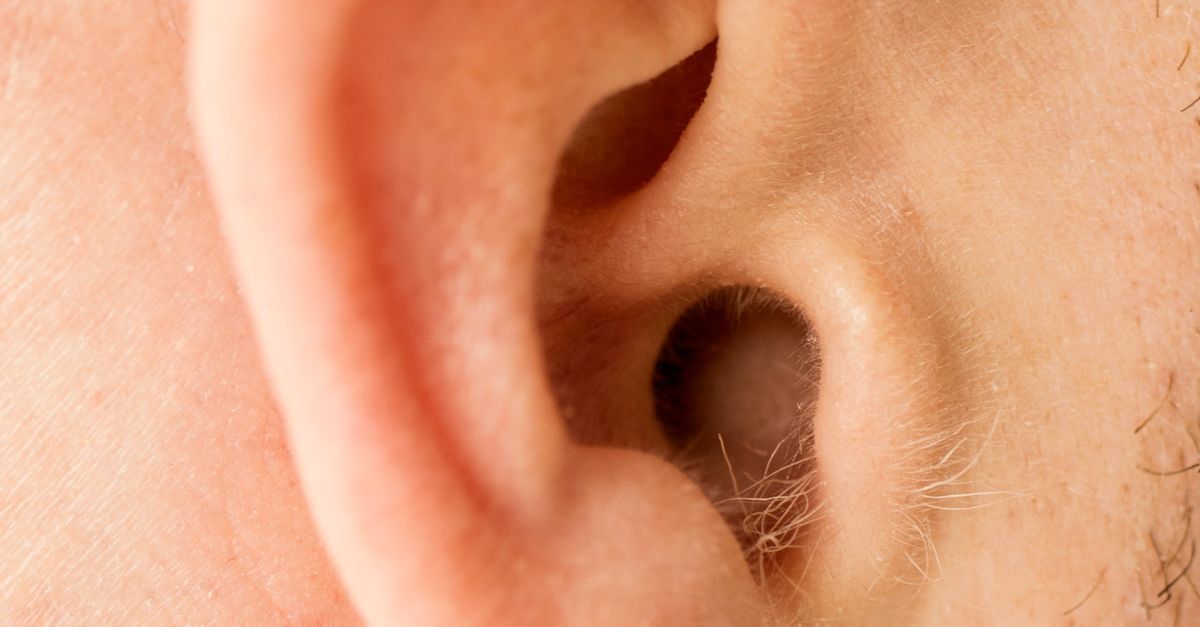
What is hearing aid fitting?
A hearing aid (보청기) amplifies sound in a way tailored to your specific pattern of hearing loss. Modern digital aids reduce background noise, adjust automatically to different environments and often connect to smartphones. Getting the full benefit depends on accurate fitting, realistic expectations and consistent use, not only on the device itself.
Who is it for?
- Adults with age-related or noise-induced hearing loss struggling with conversation
- People who often ask others to repeat or turn up the TV volume
- Those with tinnitus plus hearing loss, as aids can make tinnitus less noticeable
- Children with permanent hearing loss, under specialist care
Sudden loss, one-sided loss, ear pain or discharge should be assessed by an ENT doctor before considering a hearing aid.
What happens at the clinic
- ENT assessment: ear examination and hearing tests to confirm permanent loss and exclude wax, infection or other treatable causes.
- Needs discussion: work, social settings, phone use, dexterity and budget.
- Style selection: BTE or RIC for most losses; custom in-ear styles for some users.
- Fitting and programming: the aid is set to your audiogram; real-ear measurement checks actual sound levels in your ear canal.
- Follow-up: adjustments after you try the aids in daily life, usually over several visits.
Adjustment and care
Your own voice and everyday sounds may seem loud or strange at first. Wear the aids daily, starting in quieter settings and gradually increasing use. Keep them dry, clean wax guards and domes regularly, and store them safely at night. Annual hearing checks help keep settings accurate.
Risks and limitations
Hearing aids do not restore normal hearing and may not fully overcome noisy environments. Poorly fitting domes or moulds can cause discomfort or feedback whistling. Ear canal irritation or wax build-up may need ENT attention.
Choosing a hearing aid provider in Seomyeon
- Make sure an ENT doctor has examined your ears and confirmed the diagnosis first.
- Ask whether real-ear measurement is used during fitting.
- Ask about the trial period, warranty and follow-up adjustments included.
- Ask about battery or rechargeable options and smartphone connectivity.
- For older relatives, check that instructions are given slowly and clearly, with family present.
Helping older family members
Several visits are often needed in the first months. Seomyeon Station's interchange between Lines 1 and 2 makes these trips simpler.
Key facts
- Who: people with permanent hearing loss affecting daily communication
- First step: ENT exam and audiogram
- Styles: behind-the-ear (BTE), receiver-in-canal (RIC), in-the-ear, completely-in-canal
- Fitting: programming to your audiogram, ideally with real-ear measurement
- Adaptation: typically several weeks of regular wear
- Follow-up: fine-tuning visits in the first months, then periodic checks
Frequently asked questions
Do I need to see an ENT doctor before getting a hearing aid?
Yes, it is strongly recommended. An ENT exam rules out treatable causes such as wax, infection or tumours, and confirms the type of hearing loss.
How long does it take to get used to hearing aids?
Most people adapt over several weeks of regular use. Starting in quiet environments and attending follow-up adjustments helps.
Will hearing aids help with tinnitus?
For people with hearing loss, aids often make tinnitus less noticeable by amplifying background sounds. Some models include sound therapy features.
Which hearing aid style is best?
It depends on your hearing loss, ear shape, dexterity and preferences. Receiver-in-canal and behind-the-ear styles suit most people.
Can hearing aids restore normal hearing?
No. They improve audibility and communication but do not restore natural hearing, especially in noisy places.
Medical disclaimer: Seomyeon.Clinic is an independent information directory. Content is for general education and does not replace a consultation with a licensed physician. Suitability, risks, results and costs vary by person and clinic. In an emergency in Korea, call 119.