
Sudden Hearing Loss Treatment in Seomyeon, Busan
Sudden hearing loss treatment targets sudden sensorineural hearing loss (SSNHL), a rapid drop in hearing, usually in one ear, over hours to three days. It is time-sensitive: see an ENT doctor within a day or two. At Seomyeon ENT clinics, diagnosis uses an ear exam and audiometry; treatment typically involves oral steroids and/or steroid injections through the eardrum, with follow-up hearing tests and often an MRI.
Independent patient guide · Medically informative, not a substitute for a doctor's advice · Last reviewed:
What is sudden hearing loss?
Sudden sensorineural hearing loss affects the inner ear or hearing nerve and develops over less than 72 hours. Most cases have no identifiable cause, though viral infection, reduced blood flow or immune factors are suspected. It is often mistaken for earwax or a blocked ear from a cold, which can delay treatment. A simple ear exam and hearing test distinguish them.
Symptoms and when to see a doctor
- Sudden muffled or lost hearing in one ear
- New ringing or roaring tinnitus
- Ear pressure or fullness without a cold
- Dizziness or vertigo in some cases
Treat this as urgent: see an ENT doctor within a day or two. If you also have facial weakness, slurred speech, severe headache or limb weakness, call 119 as these may signal a stroke.
What happens at the clinic
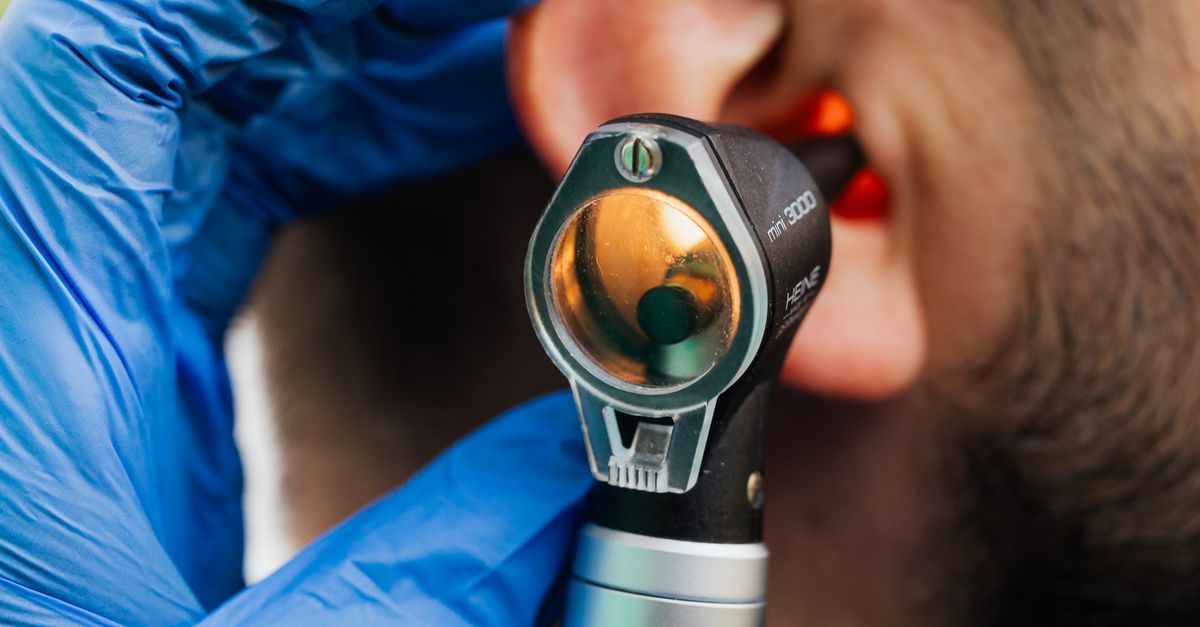
- Ear examination: rules out wax, infection or fluid behind the eardrum.
- Hearing tests: pure-tone audiometry confirms sensorineural loss; tympanometry checks the middle ear.
- Treatment start: oral corticosteroids for a short course, if safe for you.
- Intratympanic steroids: steroid injected through the eardrum under local anesthesia, as initial or rescue therapy, often over several sessions.
- MRI: usually arranged to exclude rare causes such as an acoustic neuroma.
Treatment outlook
Recovery varies widely. Many people regain some or all hearing, especially with milder loss and early treatment. Severe loss, dizziness and older age are associated with less recovery. Hearing typically stabilises over weeks to a few months; hearing aids or other devices help if loss remains.
Risks and side effects
Oral steroids can raise blood sugar and blood pressure, disturb sleep and affect mood; people with diabetes need monitoring. Intratympanic injections may cause brief pain, dizziness or, rarely, a persistent eardrum perforation.
Choosing a clinic for sudden hearing loss in Seomyeon
- Call ahead, explain it is sudden hearing loss, and ask to be seen promptly.
- Ask whether audiometry can be done the same day.
- Ask whether intratympanic steroid injections are offered at the clinic.
- Ask how MRI will be arranged and where.
- If you have diabetes or are travelling, discuss steroid safety and follow-up timing.
Travellers
Sudden hearing loss can occur during travel. Seek care before your onward flight if possible; Seomyeon's ENT clinics are near the Line 1 and 2 transfer.
Key facts
- Korean term: 돌발성 난청
- Typical feature: one-sided hearing drop, often noticed on waking
- Common companions: tinnitus, ear fullness, sometimes dizziness
- Urgency: best outcomes when treated early, ideally within days
- Treatment: oral corticosteroids and/or intratympanic steroid injections
- Tests: audiometry, tympanometry; MRI to exclude rare causes
- Outlook: many recover partly or fully; some have permanent loss
Frequently asked questions
Is sudden hearing loss an emergency?
It is an urgent condition. See an ENT doctor within a day or two, because early treatment gives the best chance of recovery.
Will my hearing come back after sudden hearing loss?
Many people recover partly or fully, but some have permanent loss. Milder loss and early treatment are linked with better outcomes.
What are intratympanic steroid injections?
Steroid medication is injected through the eardrum into the middle ear under local anesthesia, delivering high doses to the inner ear with fewer body-wide side effects.
Why do I need an MRI for sudden hearing loss?
MRI helps exclude rare causes such as a benign tumour on the hearing nerve. Most scans are normal, but it is an important check.
Can a blocked ear from a cold be mistaken for sudden hearing loss?
Yes. That is why an ear exam and hearing test are important; they distinguish middle ear blockage from inner ear hearing loss.
Medical disclaimer: Seomyeon.Clinic is an independent information directory. Content is for general education and does not replace a consultation with a licensed physician. Suitability, risks, results and costs vary by person and clinic. In an emergency in Korea, call 119.