
Tonsillectomy in Seomyeon, Busan
Tonsillectomy is surgical removal of the tonsils, usually for recurrent tonsillitis, sleep-disordered breathing or enlarged tonsils. At Seomyeon ENT clinics and hospitals, it is done under general anesthesia in about 30–60 minutes, often with a short hospital stay. Recovery typically takes 10–14 days, with throat pain peaking in the first week and a small risk of bleeding.
Independent patient guide · Medically informative, not a substitute for a doctor's advice · Last reviewed:
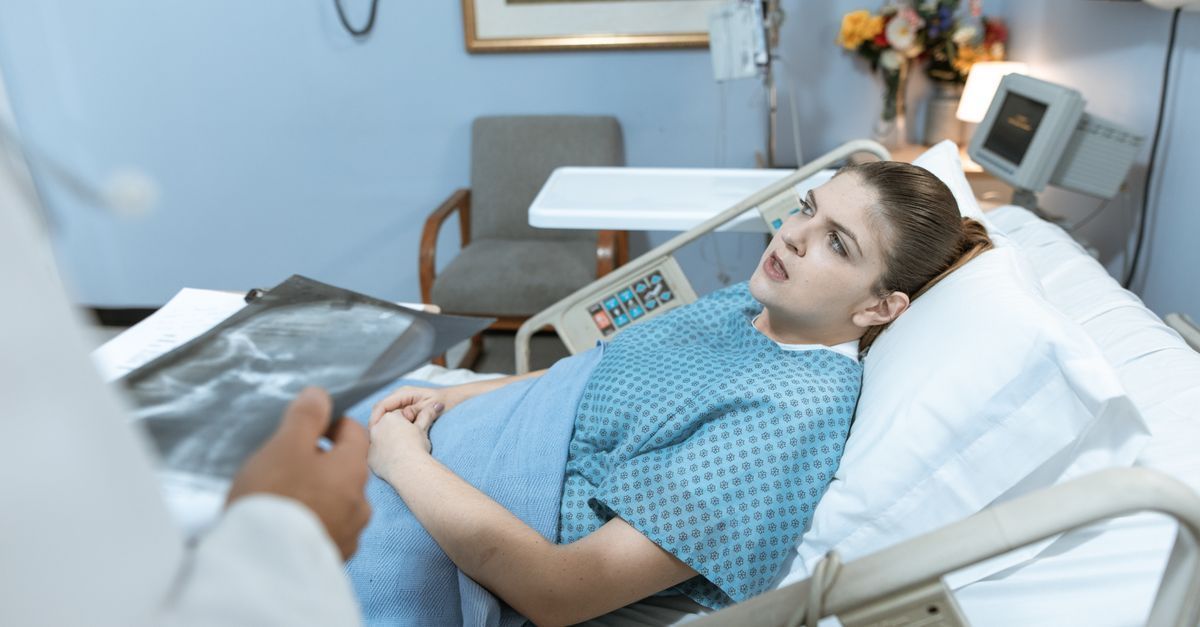
What is a tonsillectomy?
The tonsils are lymphatic tissue at the back of the throat. They can become repeatedly infected or so large that they block breathing during sleep. Tonsillectomy removes them, sometimes together with the adenoids in children. Techniques include cold steel dissection, electrocautery and coblation; the best choice depends on the surgeon's experience and the case.
Who is it for?
- People with frequent, well-documented episodes of tonsillitis over a year or more
- Children or adults with sleep apnea due to enlarged tonsils
- Those with a history of peritonsillar abscess (quinsy)
- Chronic tonsil stones and bad breath not helped by other measures
- Asymmetric tonsil enlargement needing diagnosis
What happens at the clinic
- Assessment: history of infections, throat exam, and sleep study if breathing is the concern.
- Pre-operative tests: blood tests including clotting, and anesthesia review.
- Surgery: under general anesthesia, tonsils are removed through the mouth; there are no external cuts.
- Recovery room: monitoring for bleeding and pain control.
- Discharge: same day or after a short stay, with pain medication and diet instructions.
Recovery and aftercare
Throat pain usually increases for the first several days and can radiate to the ears; regular pain relief taken on schedule helps. Drinking plenty of fluids and eating soft foods prevents dehydration and helps healing. White patches in the throat are normal healing tissue. Avoid strenuous activity and flights for about two weeks.
Risks and side effects
Bleeding is the most important risk, either within 24 hours or around days 5–10 when scabs come off. Any bleeding from the mouth needs prompt medical attention; heavy bleeding is an emergency, so call 119. Other risks include dehydration, infection, temporary taste change and anesthesia complications.
Choosing a clinic for tonsillectomy in Seomyeon
- Ask whether your episodes meet usual criteria for surgery, or whether watchful waiting is reasonable.
- Ask which surgical technique is used and how pain is managed.
- Ask about the hospital stay and what to do if bleeding occurs after discharge.
- For children, ask whether adenoids will be removed too.
- Confirm when it is safe to fly or return to work.
Stay nearby
Because bleeding can occur up to about two weeks later, stay within easy reach of medical care in Busan during recovery. Seomyeon's central location helps.
Key facts
- Korean term: 편도선 절제술
- Common reasons: recurrent tonsillitis, sleep apnea, tonsil abscess, chronic tonsil stones
- Anesthesia: general
- Procedure time: about 30–60 minutes
- Hospital stay: same day to a few days
- Recovery: about 10–14 days; often harder for adults
- Key risk: post-operative bleeding, usually within 2 weeks
Frequently asked questions
How painful is tonsillectomy recovery for adults?
Adults often find recovery harder than children, with significant throat pain for about a week or more. Regular pain medication and fluids are essential.
When is tonsillectomy recommended?
For frequent, documented tonsil infections, sleep apnea due to large tonsils, recurrent tonsil abscess, or suspicious tonsil changes. Your ENT doctor will review your history.
What should I do if I bleed after tonsillectomy?
Seek medical attention promptly for any bleeding. If bleeding is heavy or persistent, call 119 or go to the nearest emergency room.
Can I fly after tonsillectomy?
Most surgeons advise avoiding flights for about two weeks because of the bleeding risk. Ask your surgeon before booking travel.
Will removing tonsils weaken my immune system?
Research generally shows no meaningful long-term weakening of immunity after tonsillectomy, as other lymphatic tissues continue to function.
Medical disclaimer: Seomyeon.Clinic is an independent information directory. Content is for general education and does not replace a consultation with a licensed physician. Suitability, risks, results and costs vary by person and clinic. In an emergency in Korea, call 119.