
Tonsil Stones Treatment in Seomyeon, Busan
Tonsil stones treatment removes and prevents tonsilloliths, small whitish lumps of trapped debris and bacteria that form in tonsil crypts and often cause bad breath. At Seomyeon ENT clinics, stones are usually removed in a quick visit with suction or fine instruments. For frequent stones, options include laser treatment of the crypts or, in persistent cases, tonsillectomy.
Independent patient guide · Medically informative, not a substitute for a doctor's advice · Last reviewed:
What are tonsil stones?
The tonsils have small pits and folds called crypts. Food particles, dead cells, mucus and bacteria can collect there and harden into tonsil stones (tonsilloliths). They are generally harmless but can cause persistent bad breath, a feeling of something stuck in the throat, and occasionally ear pain. People with deep crypts or past repeated tonsillitis are more prone to them.
Symptoms and when to see a doctor
- Bad breath that does not improve with brushing
- White or yellow specks visible on the tonsils
- Coughing up small, foul-smelling lumps
- Throat irritation or feeling something is stuck
See a doctor if a tonsil looks markedly larger on one side, if you have persistent pain, difficulty swallowing, or blood in saliva, as these need further evaluation.
What happens at the clinic
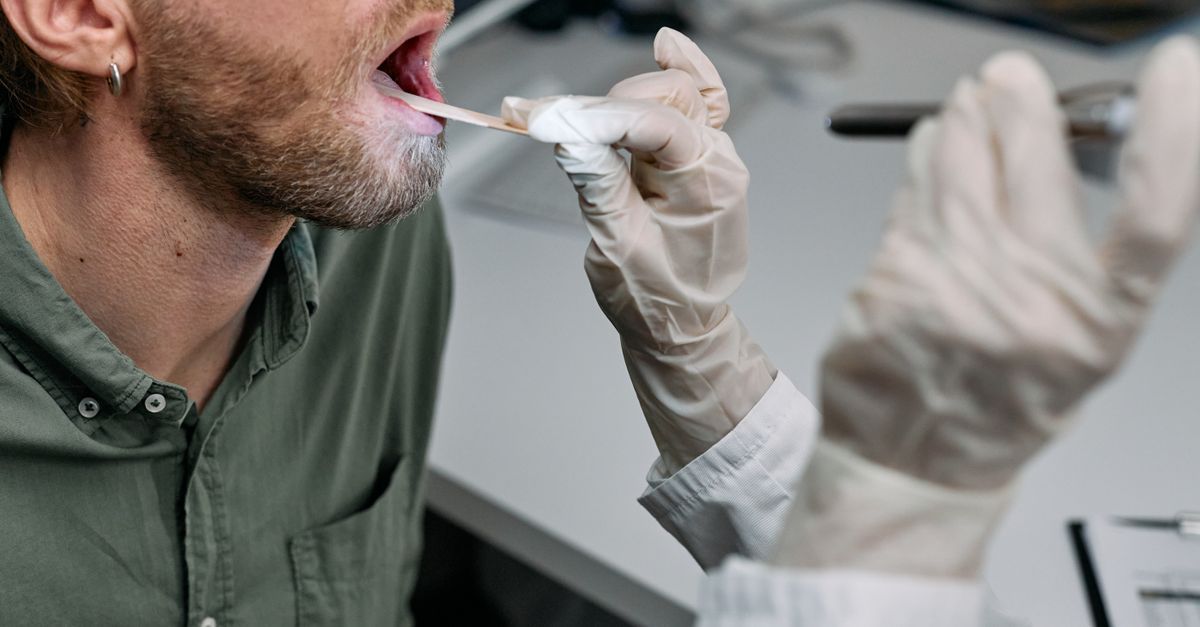
- Examination: the throat is inspected, sometimes with endoscopy to look at hidden crypts.
- Removal: stones are gently extracted with suction or a fine instrument, sometimes after a numbing spray.
- Crypt irrigation: some clinics flush the crypts to clear remaining debris.
- Long-term options: laser cryptolysis reshapes crypts to reduce trapping; tonsillectomy is considered for frequent, troublesome stones.
- Advice: oral hygiene and gargling routines to slow recurrence.
Treatment outlook
Removal gives immediate relief, but stones often recur because the crypts remain. Laser treatment can reduce recurrence for some people; tonsillectomy removes the source entirely but has a longer recovery. Good hygiene reduces how often stones form.
Risks and side effects
Self-removal with sharp objects can injure the tonsil and cause bleeding or infection. In-clinic removal may cause mild soreness or minor bleeding. Laser treatment causes sore throat for several days.
Choosing a clinic for tonsil stones in Seomyeon
- Ask whether endoscopy is used to find stones deep in the crypts.
- Ask about laser options and expected recurrence if stones are frequent.
- Ask whether other causes of bad breath, such as gum disease or sinusitis, have been considered.
- Ask for safe home care tips rather than DIY removal.
- Check whether follow-up is needed after laser treatment.
Quick appointment
Stone removal is fast, so it fits a short lunch break. Seomyeon's ENT clinics sit close to the Line 1 and 2 interchange.
Key facts
- Korean term: 편도결석
- Symptoms: bad breath, white lumps, foreign-body feeling, sore throat
- In-clinic removal: suction or instruments, usually a few minutes
- Anesthesia: topical spray if needed
- Recurrent stones: laser cryptolysis or tonsillectomy
- Prevention: oral hygiene, gargling, hydration
Frequently asked questions
Are tonsil stones dangerous?
Usually not. They are mainly a nuisance causing bad breath and discomfort. Persistent one-sided tonsil enlargement or pain should still be checked.
Can I remove tonsil stones myself?
Gentle gargling may dislodge some. Avoid poking with sharp objects or cotton buds, which can injure the tonsil. An ENT clinic can remove them safely.
Why do my tonsil stones keep coming back?
The crypts that trap debris remain after removal. Laser cryptolysis or, for persistent cases, tonsillectomy can reduce or stop recurrence.
Do tonsil stones cause bad breath?
Yes, they are a common cause because the trapped bacteria produce sulphur compounds. Other causes, such as gum disease, should also be checked.
How can I prevent tonsil stones?
Brush and clean your tongue regularly, gargle after meals, stay hydrated and avoid smoking. These steps reduce debris build-up in the crypts.
Medical disclaimer: Seomyeon.Clinic is an independent information directory. Content is for general education and does not replace a consultation with a licensed physician. Suitability, risks, results and costs vary by person and clinic. In an emergency in Korea, call 119.