
Nasal Polyp Removal in Seomyeon, Busan
Nasal polyp removal treats soft, non-cancerous growths in the nose and sinuses that cause blockage and loss of smell. At Seomyeon ENT clinics, polyps are diagnosed by nasal endoscopy and often CT. Treatment starts with steroid sprays or short oral steroid courses; persistent polyps are removed by endoscopic sinus surgery through the nostrils, usually with a short hospital or day stay.
Independent patient guide · Medically informative, not a substitute for a doctor's advice · Last reviewed:
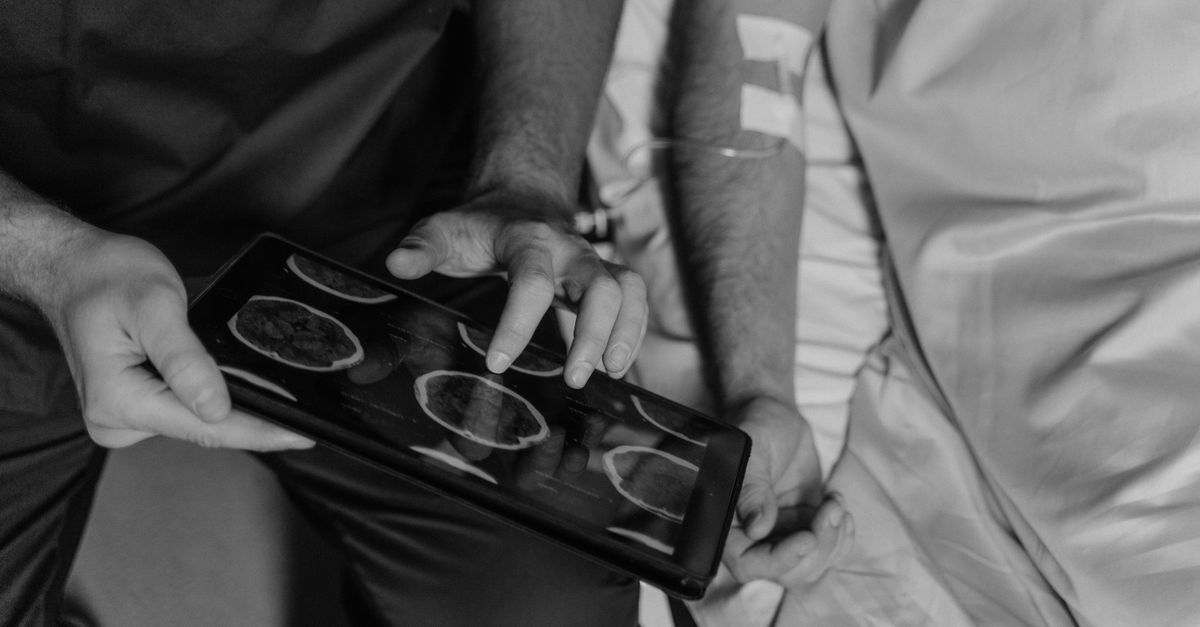
What are nasal polyps?
Nasal polyps (비용종) are teardrop-shaped swellings of the inflamed lining of the nose and sinuses. They are usually linked to chronic rhinosinusitis and may be associated with asthma, aspirin sensitivity or allergies. Polyps themselves are benign, but a one-sided polyp or one that bleeds needs careful evaluation to rule out other growths.
Symptoms and when to see a doctor
- Persistent nasal blockage on both sides
- Reduced or lost sense of smell and taste
- Runny nose or postnasal drip
- Facial pressure, snoring or mouth breathing
See an ENT doctor promptly if symptoms are one-sided, include bleeding, or come with vision changes or facial swelling.
What happens at the clinic
- Endoscopy: polyps are seen and graded.
- CT scan: shows the extent of sinus involvement and guides surgical planning.
- Medical treatment: steroid sprays, steroid rinses, saline irrigation and sometimes a short course of oral steroids.
- Surgery if needed: under general anesthesia, polyps are removed and sinus openings widened with endoscopes and microdebriders, often with image guidance.
- Post-operative care: clinic visits to clean the sinuses and start long-term sprays.
Recovery and aftercare
After surgery, expect congestion, crusting and mild bleeding for one to two weeks. Saline rinses are important. Avoid nose blowing, heavy exercise and flights for the period your surgeon advises. Sense of smell often improves gradually. Continuing steroid sprays long term reduces regrowth.
Risks and side effects
Polyps commonly return, particularly with asthma or aspirin sensitivity. Surgical risks include bleeding, infection, scarring and, rarely, injury to the eye socket or skull base. Oral steroids carry side effects if used repeatedly, so courses are limited.
Choosing a clinic for nasal polyp removal in Seomyeon
- Ask whether a CT scan and endoscopic grading are done before deciding on surgery.
- Ask whether the surgeon uses image-guided navigation for extensive disease.
- Ask how polyps will be controlled after surgery to delay recurrence.
- If you have asthma, ask how ENT and respiratory care will be coordinated.
- Ask whether biologic treatment is an option if polyps keep returning.
Logistics
Polyp surgery needs follow-up cleanings in the weeks afterward, so plan to stay nearby. Seomyeon connects to most of Busan via Lines 1 and 2.
Key facts
- Condition: chronic rhinosinusitis with nasal polyps
- Symptoms: blockage, reduced smell, discharge, facial pressure
- Diagnosis: nasal endoscopy and CT scan
- First-line: steroid sprays or rinses; short oral steroid courses
- Surgery: endoscopic polypectomy and sinus surgery, no external incision
- Recurrence: common; long-term sprays help
- Advanced option: biologic injections for severe recurrent cases where available
Frequently asked questions
Are nasal polyps cancerous?
Typical bilateral nasal polyps are benign. One-sided polyps, bleeding or unusual appearance need further evaluation to rule out other conditions.
Can nasal polyps go away without surgery?
Steroid sprays and short oral steroid courses can shrink polyps and improve symptoms. Large or persistent polyps often need surgery.
Will my sense of smell come back after polyp removal?
Many people regain some or much of their sense of smell, though results vary. Long-term sprays help maintain improvement.
Do nasal polyps come back?
They can recur, especially in people with asthma or aspirin sensitivity. Ongoing medical treatment after surgery reduces recurrence.
How long is recovery after nasal polyp surgery?
Most people return to desk work within about one to two weeks. Full healing of the sinus lining takes several weeks with regular rinses.
Medical disclaimer: Seomyeon.Clinic is an independent information directory. Content is for general education and does not replace a consultation with a licensed physician. Suitability, risks, results and costs vary by person and clinic. In an emergency in Korea, call 119.