
Turbinate Reduction in Seomyeon, Busan
Turbinate reduction shrinks enlarged turbinates, the ridges of tissue inside the nose that warm and humidify air, to relieve chronic nasal blockage. At Seomyeon ENT clinics, it is often done under local anesthesia in about 15–30 minutes using radiofrequency, laser or a microdebrider. Congestion and crusting are common for 1–3 weeks before breathing improves.
Independent patient guide · Medically informative, not a substitute for a doctor's advice · Last reviewed:
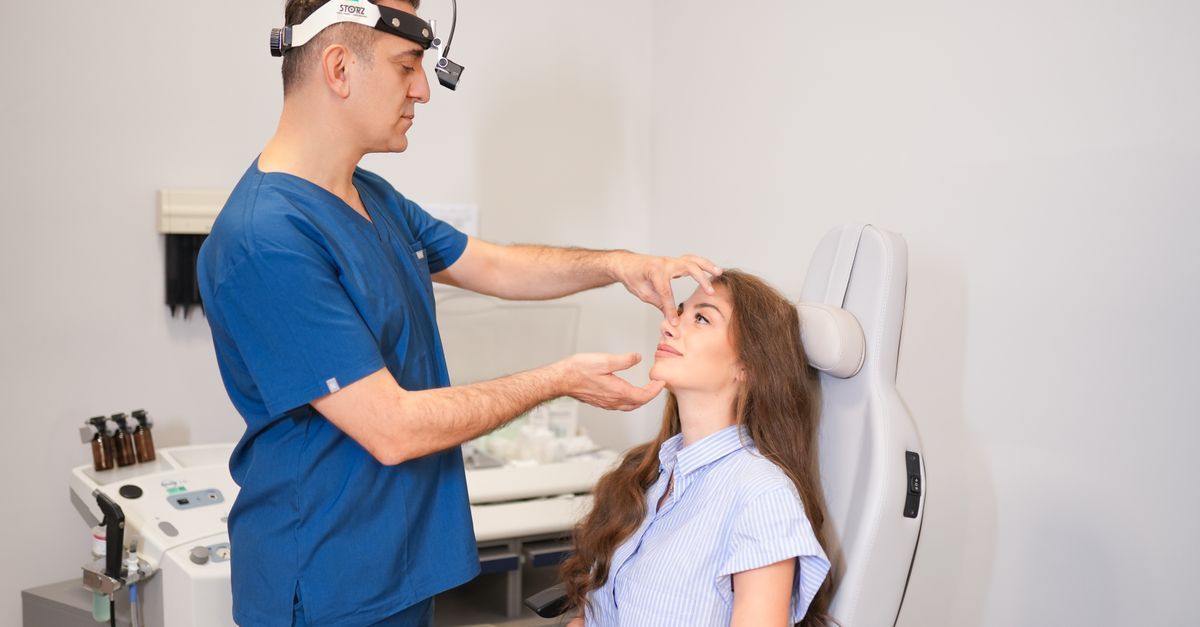
What is turbinate reduction?
Each side of the nose has three turbinates; the lowest (inferior turbinates) are the largest and most often cause blockage. They contain blood vessels that swell and shrink throughout the day. In chronic rhinitis, they can stay swollen even with medication. Turbinate reduction (하비갑개 수술) reduces the inner tissue volume while preserving the surface lining, which is important for normal nasal function.
Who is it for?
- People with chronic blockage who have tried steroid sprays and antihistamines for several weeks without enough improvement
- Those with rebound congestion from long-term decongestant spray use
- Patients having septoplasty whose turbinates also block airflow
- Snorers and CPAP users whose nasal blockage contributes
What happens at the clinic
- Endoscopy: confirms enlarged turbinates; decongestant drops test how much they shrink.
- Anesthesia: numbing spray and local injection inside the nose.
- Reduction: a radiofrequency or coblation probe is inserted into the turbinate to shrink tissue from within, or a microdebrider removes some of the inner tissue.
- Short observation: bleeding is checked before you go home, usually the same day.
- Follow-up: crusts are cleaned at review visits over the next few weeks.
Recovery and aftercare
The nose often feels more blocked for the first one to two weeks due to swelling and crusting. Saline rinses several times a day help. Avoid nose blowing and strenuous activity for a few days. Improvement in breathing typically becomes noticeable after several weeks.
Risks and side effects
Possible side effects include bleeding, crusting, infection, and temporary dryness. Over-aggressive removal can rarely cause empty nose syndrome, a sensation of blockage despite an open nose, which is why modern techniques preserve tissue. Turbinates can enlarge again over time, especially if allergies are not controlled.
Choosing a clinic for turbinate reduction in Seomyeon
- Ask which technique is used and how much tissue will be preserved.
- Ask whether septal deviation also needs treatment.
- Ask about allergy control after the procedure to reduce recurrence.
- Ask how many follow-up cleanings are needed.
- Check that rinse and aftercare instructions are given in a language you understand.
Short procedure, longer healing
Although the procedure is quick, plan for follow-up visits over a few weeks. Seomyeon's ENT clinics are easy to reach on Lines 1 and 2.
Key facts
- Treats: persistent blockage from enlarged inferior turbinates
- Common causes: allergic or non-allergic rhinitis, decongestant overuse
- Techniques: radiofrequency, laser, coblation, microdebrider, partial resection
- Procedure time: about 15–30 minutes
- Anesthesia: local; general if combined with septoplasty
- Recovery: crusting and congestion for 1–3 weeks
- Often combined with: septoplasty
Frequently asked questions
Is turbinate reduction painful?
Local anesthesia makes the procedure tolerable. Afterward, most people feel congestion and mild discomfort rather than sharp pain for several days.
How long before I can breathe better after turbinate reduction?
The nose is often more blocked for one to two weeks. Breathing improvement usually becomes noticeable after several weeks as swelling settles.
Can turbinates grow back?
They can enlarge again over time, especially with ongoing allergies. Controlling rhinitis after the procedure helps maintain results.
What is empty nose syndrome?
A rare condition where the nose feels blocked despite being open, linked to excessive turbinate removal. Modern tissue-preserving techniques aim to avoid it.
Can turbinate reduction be combined with septoplasty?
Yes, they are often done together under one anesthetic when both the septum and turbinates contribute to blockage.
Medical disclaimer: Seomyeon.Clinic is an independent information directory. Content is for general education and does not replace a consultation with a licensed physician. Suitability, risks, results and costs vary by person and clinic. In an emergency in Korea, call 119.