
Open Bite Correction in Seomyeon, Busan
Open bite correction treats a bite where the upper and lower teeth do not meet when the mouth is closed, most often at the front. At Seomyeon orthodontic clinics, treatment depends on the cause: habit and tongue control for children, braces or aligners for dental cases, mini-screws to intrude back teeth, or jaw surgery for skeletal open bites. Treatment typically takes about 12–30 months.
Independent patient guide · Medically informative, not a substitute for a doctor's advice · Last reviewed:
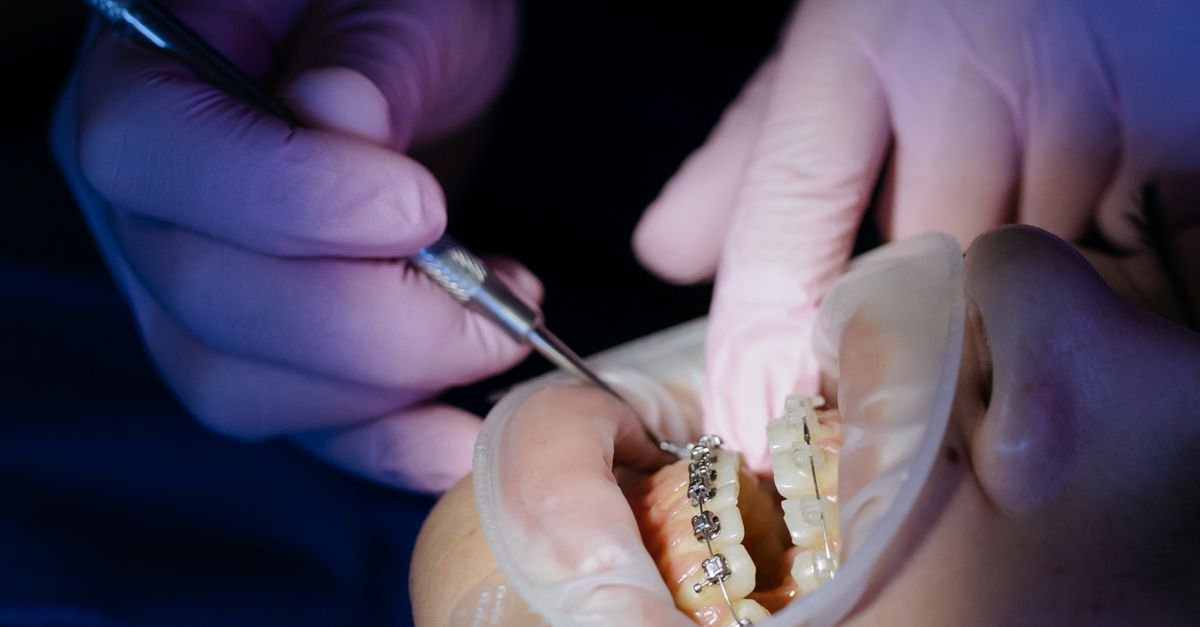
What is an open bite?
In an anterior open bite, the front teeth stay apart when the back teeth are together, leaving a visible gap. Biting into noodles, sandwiches or lettuce with the front teeth may be difficult. Open bites can be dental, caused by tooth position often linked to habits, or skeletal, linked to a long lower face and downward jaw growth.
Signs and when to see an orthodontist
- Front teeth that do not touch when you bite
- Difficulty biting through food with the front teeth
- Tongue pushing forward between the teeth when swallowing or speaking
- Lisping on "s" and "z" sounds
- Long-term mouth breathing or enlarged tonsils and adenoids in children
What happens at the clinic
- Diagnosis: cephalometric X-ray and bite analysis distinguish dental from skeletal causes; tongue posture and breathing are assessed.
- Address contributing factors: thumb-sucking habits, tongue thrust (with myofunctional exercises), and airway issues, which may need ENT referral.
- Orthodontic treatment: braces or aligners extrude front teeth or intrude back teeth; mini-screws (TADs) can intrude molars, allowing the jaw to rotate closed.
- Surgical option: severe skeletal open bites may be treated with orthognathic surgery.
- Retention: retainers, sometimes with tongue training, maintain closure.
Treatment outlook
Open bites are considered among the more challenging problems to keep stable. Results are better when habits and tongue posture are addressed. Mini-screw intrusion has widened non-surgical options for adults with moderate skeletal open bites.
Risks and side effects
Relapse is the main concern. Excessive extrusion of front teeth can affect smile aesthetics and root health. Mini-screws can loosen and need replacement. Surgery carries its own risks.
Choosing a clinic for open bite correction in Seomyeon
- Ask whether your open bite is dental, skeletal or habit-related.
- Ask whether mini-screws could avoid surgery in your case.
- Ask whether tongue or myofunctional therapy is part of the plan.
- For children with mouth breathing, ask whether ENT assessment is recommended.
- Ask about the long-term retention plan, given relapse risk.
Local care network
Open bite care may involve orthodontists, ENT doctors and sometimes surgeons. Seomyeon has all of these within a short walk or subway stop of each other.
Key facts
- Types: anterior (front) or posterior (side) open bite
- Causes: thumb sucking, tongue thrust, mouth breathing, jaw growth pattern
- Children: habit control and appliances during growth
- Adults: braces or aligners, mini-screw molar intrusion, or orthognathic surgery
- Treatment length: roughly 12–30 months
- Relapse risk: relatively high; tongue habits and retention matter
Frequently asked questions
What causes an open bite?
Common causes include prolonged thumb or pacifier sucking, tongue thrusting, mouth breathing and inherited jaw growth patterns. Often several factors combine.
Can an open bite be fixed without surgery?
Many dental and moderate skeletal open bites can be corrected with braces or aligners, often using mini-screws to intrude back teeth. Severe skeletal cases may need surgery.
Will an open bite come back after braces?
Open bites have a higher relapse tendency than many other problems. Addressing tongue habits and wearing retainers as instructed improves stability.
Can clear aligners close an open bite?
Aligners can be effective for some open bites because they cover the back teeth. Suitability depends on the cause and severity.
Should a child's open bite be treated early?
Stopping habits early can allow some open bites to close naturally. An orthodontist can advise whether appliances or habit therapy are needed.
Medical disclaimer: Seomyeon.Clinic is an independent information directory. Content is for general education and does not replace a consultation with a licensed physician. Suitability, risks, results and costs vary by person and clinic. In an emergency in Korea, call 119.