
Self-Ligating Braces in Seomyeon, Busan
Self-ligating braces are fixed braces whose brackets hold the archwire with a built-in clip or door instead of elastic ties. At Seomyeon orthodontic clinics they are available in metal or ceramic versions and are bonded and adjusted much like conventional braces. Adjustment visits can be quicker, and the absence of elastic ties may make cleaning easier; treatment typically lasts about 18–30 months.
Independent patient guide · Medically informative, not a substitute for a doctor's advice · Last reviewed:
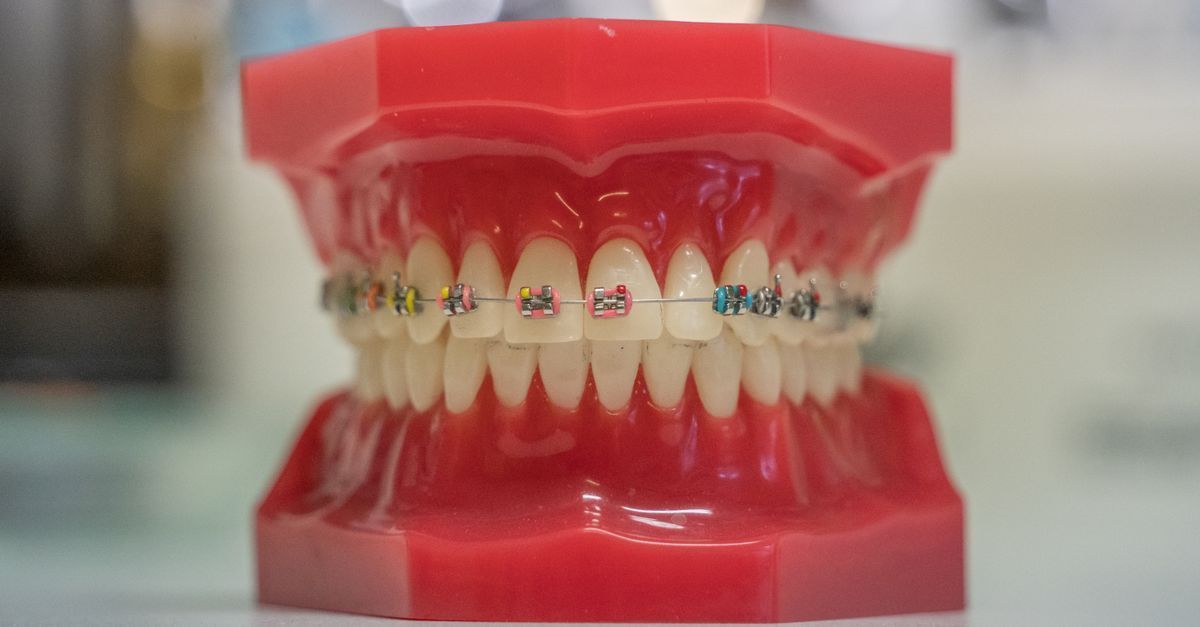
What are self-ligating braces?
In conventional braces, small elastic or wire ties (ligatures) hold the archwire in each bracket. Self-ligating brackets replace these with a hinged clip or sliding door built into the bracket. Passive designs hold the wire loosely, producing lower friction; active designs press gently on the wire for more control. Well-known systems include Damon and other brands, in both metal and ceramic versions.
Who is it for?
- Teens and adults suitable for fixed braces
- People who want fewer elastic ties that discolour or collect plaque
- Those who prefer quicker wire-change appointments
Research suggests that self-ligating braces do not reliably shorten overall treatment time or reduce pain compared with well-managed conventional braces. Their main practical advantages are convenience and hygiene, so choose them for those reasons rather than marketing claims.
What happens at the clinic
- Records and planning: X-rays, photos and scans determine the treatment plan.
- Bonding: brackets are bonded and the clips are closed over a light initial wire.
- Wire progression: at each visit the orthodontist opens the clips, changes or adjusts wires and closes them again.
- Auxiliaries: elastics, springs or mini-screws may be added for bite correction.
- Finishing: brackets are removed and retainers are fitted.
Recovery and aftercare
Soreness after bonding and wire changes is similar to conventional braces and usually settles in a few days. Brush carefully around each bracket and clip, use interdental brushes, and avoid hard or sticky foods that could open or break a clip. Report any clip that stays open, as the wire may slip.
Risks and side effects
Risks mirror other fixed braces: white spots from poor cleaning, gum inflammation, mouth ulcers and, uncommonly, root shortening. Clips can occasionally break or open and need repair. Brackets may be slightly bulkier than some conventional designs.
Choosing a clinic for self-ligating braces in Seomyeon
- Ask which self-ligating system is used and whether it is passive or active.
- Ask the orthodontist to explain realistic benefits instead of promises of faster treatment.
- Ask whether ceramic self-ligating brackets are available if appearance matters.
- Confirm how often visits are scheduled and how clip repairs are handled.
- Check the retention plan after braces come off.
Getting to appointments
Self-ligating braces may allow slightly longer gaps between visits, which helps busy residents. Seomyeon's clinics sit at the junction of Busan Metro Lines 1 and 2.
Key facts
- Mechanism: built-in clip or slide holds the wire
- Versions: passive or active; metal or ceramic
- Treats: the same problems as conventional braces
- Adjustments: about every 6–10 weeks, often shorter visits
- Treatment length: roughly 18–30 months
- Hygiene: no elastic ties to trap plaque or stain
Frequently asked questions
Are self-ligating braces faster?
Studies generally show no reliable reduction in total treatment time compared with conventional braces. Adjustment appointments may be shorter, which is a practical benefit.
Do self-ligating braces hurt less?
Some people find them comfortable, but research has not consistently shown less pain. Expect soreness for a few days after bonding and wire changes, as with any braces.
Are self-ligating braces easier to clean?
They have no elastic ties, which can trap plaque and stain, so many people find them a little easier to keep clean. Careful brushing is still essential.
Can self-ligating braces be tooth-coloured?
Yes. Ceramic self-ligating brackets are available, combining a discreet appearance with the clip mechanism. Ask your orthodontist about options.
How often do I need appointments?
Commonly every 6–10 weeks, depending on treatment stage and your orthodontist's approach. Some stages need closer monitoring.
Medical disclaimer: Seomyeon.Clinic is an independent information directory. Content is for general education and does not replace a consultation with a licensed physician. Suitability, risks, results and costs vary by person and clinic. In an emergency in Korea, call 119.