
Lingual (Hidden) Braces in Seomyeon, Busan
Lingual braces (설측 교정) are fixed braces bonded to the inner, tongue-side surfaces of the teeth, making them practically invisible from the front. At Seomyeon orthodontic clinics, brackets are often custom-made from a digital scan, then bonded in one visit. Expect a few weeks of tongue soreness and speech adjustment; total treatment typically takes about 18–36 months.
Independent patient guide · Medically informative, not a substitute for a doctor's advice · Last reviewed:
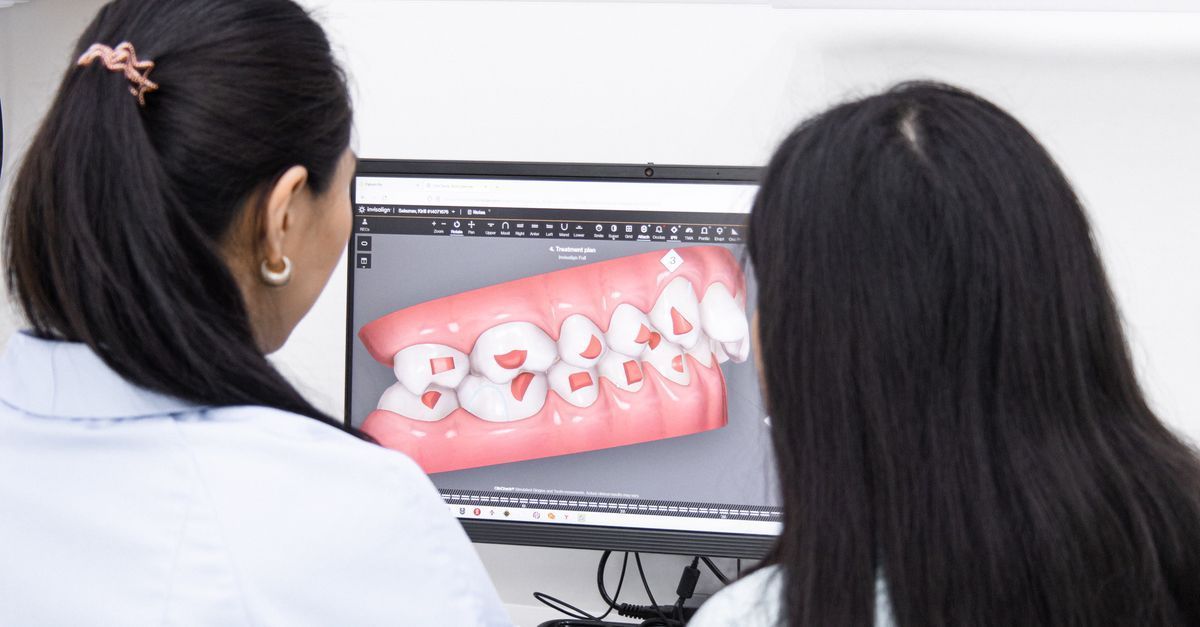
What are lingual braces?
Lingual braces are fixed orthodontic appliances placed on the back surfaces of the teeth rather than the front. Because the inner surfaces of teeth vary greatly in shape, brackets and wires are usually customised: the orthodontist creates a digital or model set-up of the final tooth positions, and brackets and wires are fabricated to match. This precision allows effective tooth movement while keeping braces out of sight.
Who is it for?
- Adults in client-facing jobs, performers and anyone wanting invisible fixed braces
- Cases that need more control than aligners can provide
- Patients who cannot commit to wearing removable trays
Very short lower teeth, a deep bite or some jaw shapes can make lingual braces harder to place. Some people opt for a hybrid: lingual on the upper teeth and a less visible option on the lower teeth.
What happens at the clinic
- Records: detailed scans, X-rays and photos.
- Set-up and fabrication: custom brackets and wires are designed, which can take a few weeks.
- Indirect bonding: brackets are transferred to the teeth with a precise tray in one appointment.
- Adjustments: wire changes and activation every 4–8 weeks.
- Finishing and retention: brackets are removed and retainers fitted.
Recovery and aftercare
The tongue usually feels sore and speech, especially "s" and "t" sounds, may be affected for the first one to three weeks while you adapt. Orthodontic wax and saltwater rinses help. Cleaning behind teeth takes extra effort: use a small-headed brush, interdental brushes and a water flosser. Avoid hard and sticky foods.
Risks and side effects
Tongue ulcers, temporary speech changes and difficulty cleaning are the main drawbacks. Decalcification is generally less visible because it would occur on inner surfaces. Brackets can debond and need rebonding. Adjustment appointments are technically demanding, so experience matters.
Choosing a clinic for lingual braces in Seomyeon
- Ask how many lingual cases the orthodontist treats and which lingual system is used.
- Ask whether brackets are custom-made and how long fabrication takes.
- Ask whether a hybrid approach would suit your bite.
- Ask how bracket breakages will be handled, as lingual repairs need specialised skills.
- Check that speech and tongue adaptation tips are explained in a language you understand.
Planning around life in Busan
Lingual treatment involves regular visits over one to three years, so it is best for people living locally. Seomyeon's metro interchange reduces travel time for these appointments.
Key facts
- Treats: most problems treatable with conventional braces
- Visibility: hidden behind the teeth
- Brackets: often customised using digital set-ups
- Adjustment period: tongue irritation and lisp for about 1–3 weeks
- Adjustments: every 4–8 weeks; visits can be longer than for front braces
- Treatment length: roughly 18–36 months
- Hybrid option: lingual upper with clear or front lower braces
Frequently asked questions
Are lingual braces really invisible?
From normal speaking distance they are practically invisible, because they sit behind the teeth. Someone might notice them only if they look inside your mouth.
Do lingual braces affect speech?
Most people develop a slight lisp at first. It usually improves within one to three weeks as the tongue adapts.
Do lingual braces take longer than regular braces?
Treatment length is often similar, though it can be slightly longer in some cases. Appointments may also take longer because adjustments are technically more complex.
Lingual braces or Invisalign: which should I choose?
Both are discreet. Lingual braces are fixed and do not depend on compliance; aligners are removable and easier to clean. Complexity of your case and lifestyle guide the choice.
Are lingual braces painful?
Teeth ache for a few days after adjustments, like any braces. The main extra discomfort is tongue irritation at the beginning, which usually settles with wax and time.
Medical disclaimer: Seomyeon.Clinic is an independent information directory. Content is for general education and does not replace a consultation with a licensed physician. Suitability, risks, results and costs vary by person and clinic. In an emergency in Korea, call 119.