
Invisalign in Seomyeon, Busan
Invisalign is a brand of clear aligner treatment that straightens teeth with a series of custom removable trays planned in Align Technology's ClinCheck software. At Seomyeon clinics offering it, you typically have a 3D scan, review a digital simulation with the orthodontist, then wear each set of aligners for about 20–22 hours a day. Most treatments last roughly 6–18 months, with periodic check-ups.
Independent patient guide · Medically informative, not a substitute for a doctor's advice · Last reviewed:
What is Invisalign?
Invisalign is the most widely known clear aligner brand. The orthodontist scans your teeth, then uses Align's ClinCheck software to plan each tooth movement stage by stage. Aligners are manufactured centrally and shipped to the clinic. Treatment options range from limited packages for minor corrections to comprehensive plans for more complex cases. Features such as SmartTrack material and precision attachments help control movement.
Who is it for?
- Adults and teens with crowding, spacing or mild to moderate bite problems
- People who want removable, discreet treatment
- Those who travel often and value fewer emergency visits for broken brackets
Very complex cases may still be treated with Invisalign by an experienced orthodontist, sometimes with elastics or mini-screws, but fixed braces can be more predictable for certain movements.
What happens at the clinic
- Consultation: exam, discussion of goals and whether Invisalign is suitable.
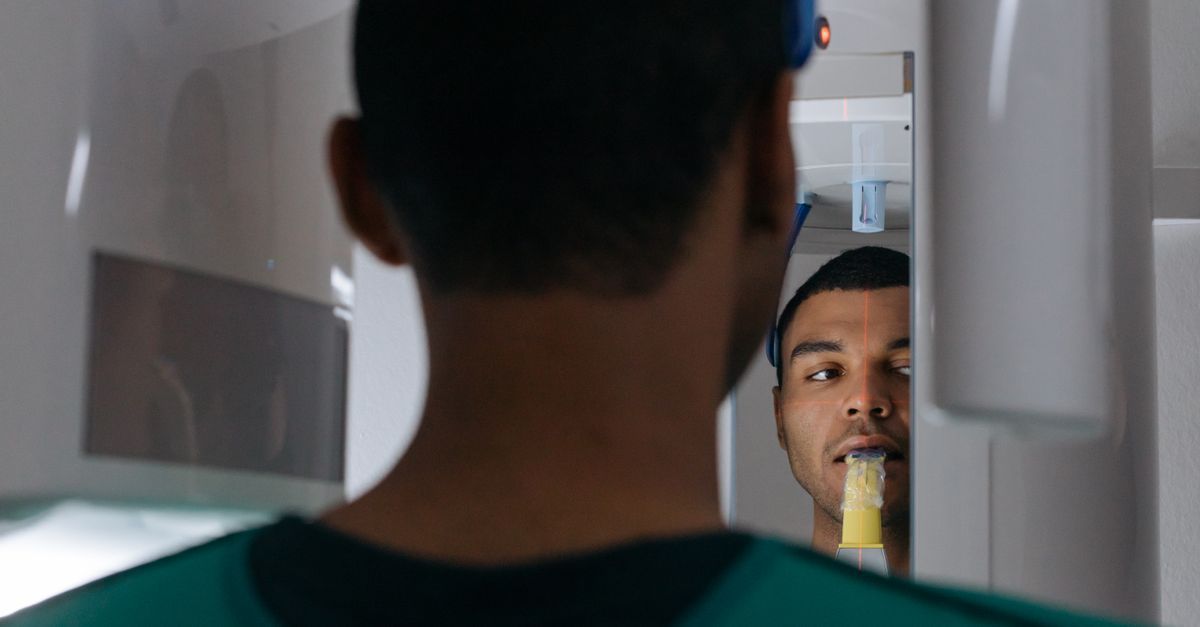
- Records: 3D scan, photos and X-rays.
- ClinCheck review: the orthodontist adjusts the digital plan; you see a simulation of the planned movement.
- Aligner delivery: attachments are bonded, any small spaces are created, and your first aligners are fitted.
- Progress visits: fit and tracking are checked; additional aligners may be ordered to refine the result.
Recovery and aftercare
Expect tightness for a day or two with each new set. Remove aligners for eating, brush and floss before putting them back, and avoid hot or coloured drinks while wearing them. Keep your previous set as a backup in case one is lost. At the end, retainers are necessary to prevent relapse.
Risks and side effects
Side effects are similar to other orthodontics: temporary soreness, speech changes for a few days, and, uncommonly, gum recession or root shortening. Poor compliance causes aligners to stop fitting and may need a re-scan.
Choosing a clinic for Invisalign in Seomyeon
- Ask whether the plan is designed by a board-certified orthodontist and how many Invisalign cases they manage.
- Ask which Invisalign package is proposed and how many refinements are included.
- If you may leave Korea, ask whether your case can be transferred to another Invisalign provider.
- Ask whether the ClinCheck simulation can be shared and explained in English.
- Ask about retainer type and cost after treatment.
Living in Busan or visiting
Invisalign suits residents, students and frequent visitors. You can often receive several sets of aligners at once, reducing visits. Seomyeon's location at the Line 1 and 2 transfer helps keep appointments short.
Key facts
- Type: branded clear aligner system
- Planning: ClinCheck 3D digital treatment plan
- Scan: usually an intraoral 3D scanner instead of moulds
- Wear time: about 20–22 hours per day
- Treatment length: roughly 6–18 months for many adults
- Check-ups: commonly every 6–10 weeks
- Typical NHI coverage: not covered (elective orthodontics)
Frequently asked questions
Is Invisalign different from other clear aligners?
Invisalign is one brand of clear aligner with its own software, materials and attachments. Other systems work on similar principles. The orthodontist's planning and supervision matter more than the brand alone.
How many hours a day do I need to wear Invisalign?
Usually about 20–22 hours. Remove aligners only to eat, drink anything other than water, and clean your teeth.
Can I start Invisalign in Busan and continue at home?
Often yes, because Invisalign providers exist in many countries, but transfers need coordination. Discuss this before starting and ask for your records and plan details.
Does Invisalign work for an overbite or underbite?
Mild to moderate bite problems can often be improved with aligners plus elastics. Large skeletal discrepancies may need braces, mini-screws or jaw surgery.
Is Invisalign covered by insurance in Korea?
No. Invisalign is elective orthodontic treatment and is not covered by Korean National Health Insurance. Payment is usually arranged privately with the clinic.
Medical disclaimer: Seomyeon.Clinic is an independent information directory. Content is for general education and does not replace a consultation with a licensed physician. Suitability, risks, results and costs vary by person and clinic. In an emergency in Korea, call 119.