
Overbite Correction in Seomyeon, Busan
Overbite correction treats upper front teeth that overlap the lower teeth too deeply (deep bite) or stick out too far forward (overjet). At Seomyeon orthodontic clinics, diagnosis uses X-rays and bite analysis, and treatment typically involves braces or aligners with elastics, growth appliances for children, or jaw surgery for severe skeletal cases. Correction usually takes about 12–30 months.
Independent patient guide · Medically informative, not a substitute for a doctor's advice · Last reviewed:
What is an overbite?
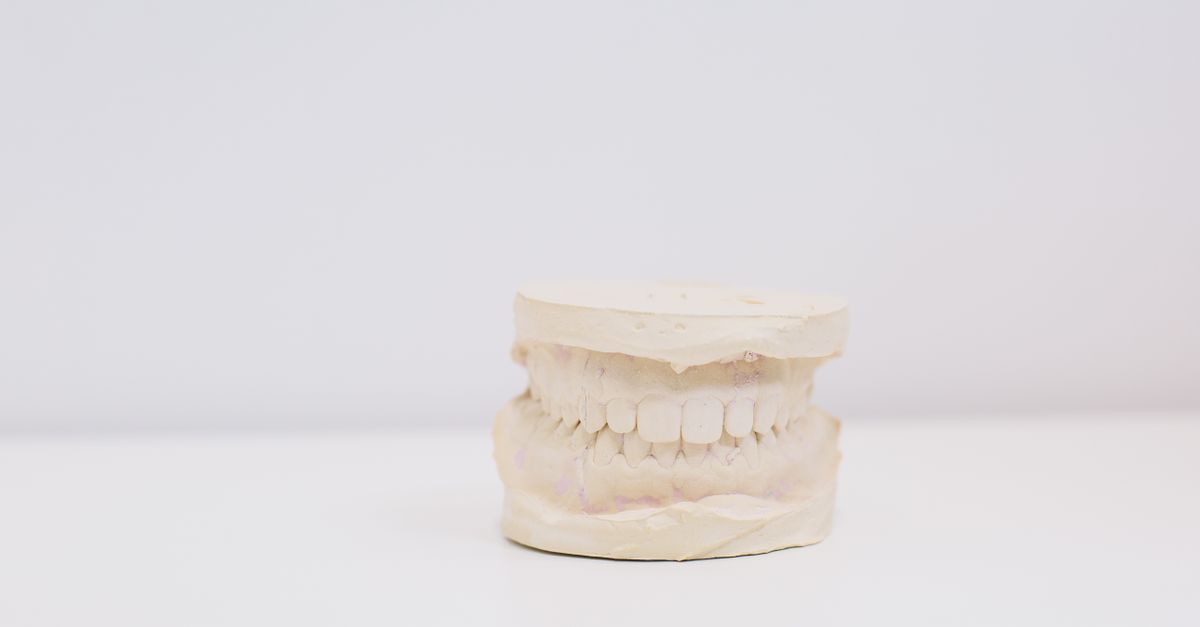
Some overlap of the upper front teeth over the lower ones is normal. People often use "overbite" for two related problems: a deep bite, where the upper teeth cover too much of the lower teeth, sometimes so the lower teeth bite into the palate; and an increased overjet, where the upper teeth sit too far in front of the lower teeth. Both are common features of a Class II bite, where the lower jaw is positioned behind the upper jaw.
Signs and when to see an orthodontist
- Upper front teeth that stick out or are easily injured
- Lower front teeth hidden when you bite, or biting into the gum behind upper teeth
- Worn lower front teeth or gum recession
- Jaw discomfort or difficulty biting into food with front teeth
- A retruded chin profile
What happens at the clinic
- Diagnosis: cephalometric X-ray, photos and scans determine whether the problem is dental, skeletal or both.
- Treatment plan for children: functional appliances may encourage lower jaw growth during the growth spurt.
- Treatment plan for teens and adults: braces or aligners level the bite, often using elastics; mini-screws may help intrude or retract teeth; extractions are sometimes needed.
- Severe skeletal cases: combined orthodontics and jaw surgery may be recommended.
- Retention: retainers hold the corrected bite.
Treatment outlook
Mild and moderate overbites usually respond well to orthodontics. Deep bites have a tendency to relapse, so long-term retention and sometimes bite plates are important. Early treatment in growing children can reduce severity but may still need a later phase.
Risks and side effects
Alongside general orthodontic risks such as soreness and white spots, overbite correction can require consistent elastic wear; poor compliance slows progress. Surgery carries additional risks, discussed separately with a surgeon.
Choosing a clinic for overbite correction in Seomyeon
- Ask whether your overbite is dental or skeletal, and how that changes the plan.
- Ask whether aligners are suitable or whether braces would be more predictable for your bite.
- Ask if elastics or mini-screws are needed and how long you must wear elastics daily.
- For children, ask about timing relative to the growth spurt.
- Ask how relapse will be prevented after treatment.
Practical note
Bite correction requires regular visits throughout treatment, so it suits those living in or near Busan. Seomyeon's station links both main metro lines.
Key facts
- Types: deep bite (vertical overlap) and overjet (horizontal protrusion)
- Causes: jaw size differences, tooth position, habits such as thumb sucking
- Children: functional appliances can use growth
- Adults: braces or aligners with elastics, mini-screws, or surgery
- Treatment length: roughly 12–30 months
- Why treat: tooth wear, gum trauma, trauma risk to protruding teeth, appearance
Frequently asked questions
Can an overbite be fixed without braces?
Clear aligners can correct many mild to moderate overbites, often with elastics. Severe skeletal overbites may need braces combined with surgery.
How long does overbite correction take?
Typically about 12–30 months, depending on severity, age and whether extractions, elastics or surgery are involved.
Is an overbite harmful?
A mild overbite is normal. A deep bite or large overjet can cause tooth wear, gum damage, jaw strain and a higher chance of injuring protruding front teeth.
Can adults correct an overbite?
Yes. Adults can improve the bite with orthodontics, though growth cannot be used, so skeletal cases may need jaw surgery for full correction.
Will my overbite come back after treatment?
Deep bites tend to relapse without retention. Wearing retainers as instructed, sometimes long term, is key to keeping the result.
Medical disclaimer: Seomyeon.Clinic is an independent information directory. Content is for general education and does not replace a consultation with a licensed physician. Suitability, risks, results and costs vary by person and clinic. In an emergency in Korea, call 119.