
Gongjindan Tonic in Seomyeon, Busan
Gongjindan (공진단) is a traditional Korean herbal tonic pill, classically containing deer antler, Angelica root, Cornus fruit and either musk or a substitute such as Aucklandia root, bound with honey. In Seomyeon, Korean medicine clinics prescribe it as a general tonic for fatigue and recovery, usually one pill daily for a set period. Scientific evidence is very limited, and it is self-pay.
Independent patient guide · Medically informative, not a substitute for a doctor's advice · Last reviewed:
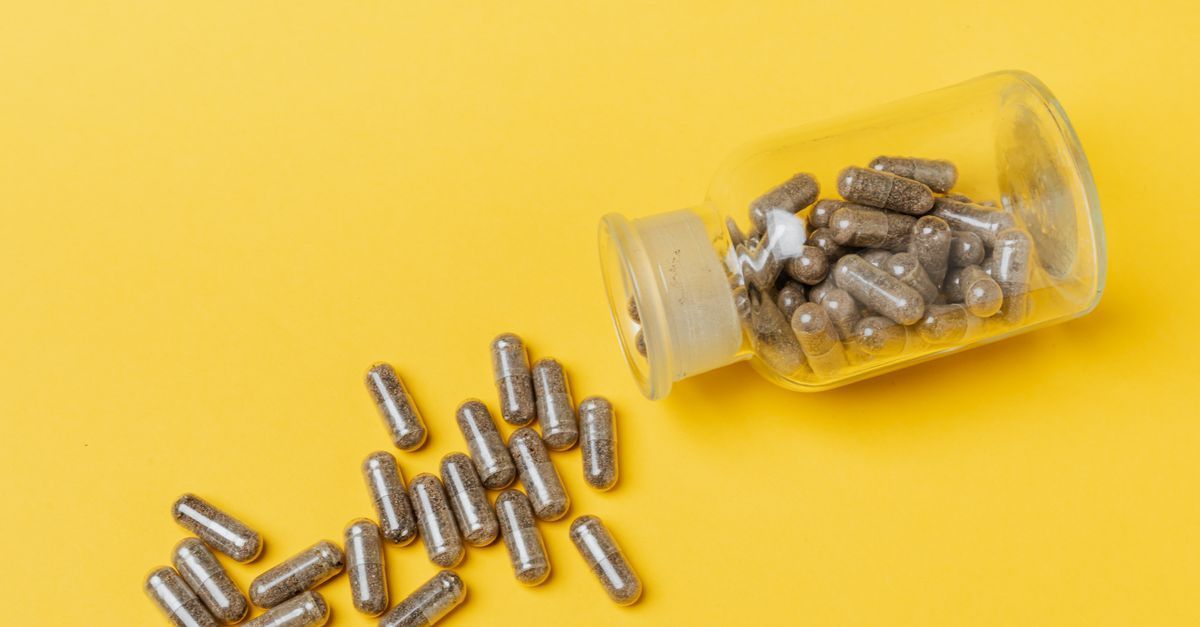
What is Gongjindan?
Gongjindan (공진단) is one of the best-known Korean herbal tonics, traditionally presented as a golden-coloured pill and often given as a gift. Classical texts describe it as a remedy to strengthen the body and replenish energy. Traditional formulas include deer antler velvet, Angelica gigas root (당귀), Cornus officinalis fruit (산수유) and musk (사향), bound with honey. Because natural musk is expensive and restricted in many countries, many modern versions use substitute ingredients such as Aucklandia root (목향). Formulas and quality vary considerably between clinics and manufacturers.
Who is it for?
- Adults seeking a traditional tonic for fatigue or recovery after illness or stress
- Those interested in Korean medicine approaches to wellbeing
It is not a treatment for any specific disease and should not replace medical evaluation of persistent fatigue, which can signal conditions such as anemia, thyroid disease, depression or sleep disorders. People who are pregnant or breastfeeding, have liver or kidney disease, allergies to ingredients, or take blood thinners or diabetes medicines should consult their doctors first.
What happens at the clinic
- Consultation: the Korean medicine doctor asks about symptoms, health history and medicines.
- Assessment: traditional diagnosis to judge whether a tonic is appropriate.
- Prescription: number of pills and timing are advised.
- Ingredients: ask for an ingredient list, especially whether musk or substitutes are used.
- Review: report any side effects such as digestive upset or rash.
Treatment outlook
Some laboratory and small human studies have looked at Gongjindan or its ingredients, but robust clinical trials showing clear health benefits are lacking. Many people take it for its traditional reputation. If fatigue persists, see a medical doctor to check for underlying causes.
Risks and side effects
Side effects are uncommon but can include digestive upset, heat sensations, skin reactions and, rarely, liver effects. Products from unlicensed sources may be adulterated or mislabelled. Some ingredients, such as musk or deer antler, may be restricted when travelling.
Choosing a clinic for Gongjindan in Seomyeon
- Buy only from licensed Korean medicine clinics or pharmacies.
- Ask for the full ingredient list and whether natural musk is included.
- Ask about the dose, duration and total cost.
- Tell the doctor about all medicines and health conditions.
- Check customs rules before taking it abroad.
For visitors
Gongjindan is a popular souvenir, but quality varies. Clinics near Seomyeon Station on Lines 1 and 2 can explain ingredients and storage.
Key facts
- Type: traditional herbal tonic pill (환)
- Classic ingredients: deer antler (녹용), Angelica gigas, Cornus fruit, musk or a substitute, honey
- Traditional use: fatigue, low energy, recovery, "vitality"
- Typical dose: often one pill daily, chewed or dissolved
- Evidence: very limited clinical research
- Typical NHI coverage: not covered (self-pay)
- Caution: products vary; buy from licensed clinics
Frequently asked questions
What is Gongjindan made of?
Classic formulas contain deer antler, Angelica root, Cornus fruit and musk, bound with honey. Many modern versions replace musk with substitutes such as Aucklandia root. Ask for the ingredient list.
Does Gongjindan really work?
Scientific evidence is very limited. It is a traditional tonic without strong clinical trial support for specific health benefits.
Who should not take Gongjindan?
Pregnant or breastfeeding people, those with liver or kidney disease, ingredient allergies, or taking blood thinners or diabetes medicines should consult their doctors first.
Is Gongjindan covered by insurance in Korea?
No. Gongjindan is a self-pay product. Prices vary widely depending on ingredients, especially whether natural musk is used.
Can I take Gongjindan abroad?
Some ingredients, including musk and deer antler, may be restricted in certain countries. Check your destination's customs rules before travelling.
Medical disclaimer: Seomyeon.Clinic is an independent information directory. Content is for general education and does not replace a consultation with a licensed physician. Suitability, risks, results and costs vary by person and clinic. In an emergency in Korea, call 119.