
Korean Herbal Medicine in Seomyeon, Busan
Korean herbal medicine (한약) uses individualised combinations of plant, and sometimes animal or mineral, ingredients, usually prepared as decoctions in pouches, pills or granules, prescribed by a Korean medicine doctor. In Seomyeon, clinics typically diagnose by Korean medicine methods, then dispense a course of around 10–30 days. Evidence varies widely by formula, and safety, including drug interactions, needs attention.
Independent patient guide · Medically informative, not a substitute for a doctor's advice · Last reviewed:
What is Korean herbal medicine?
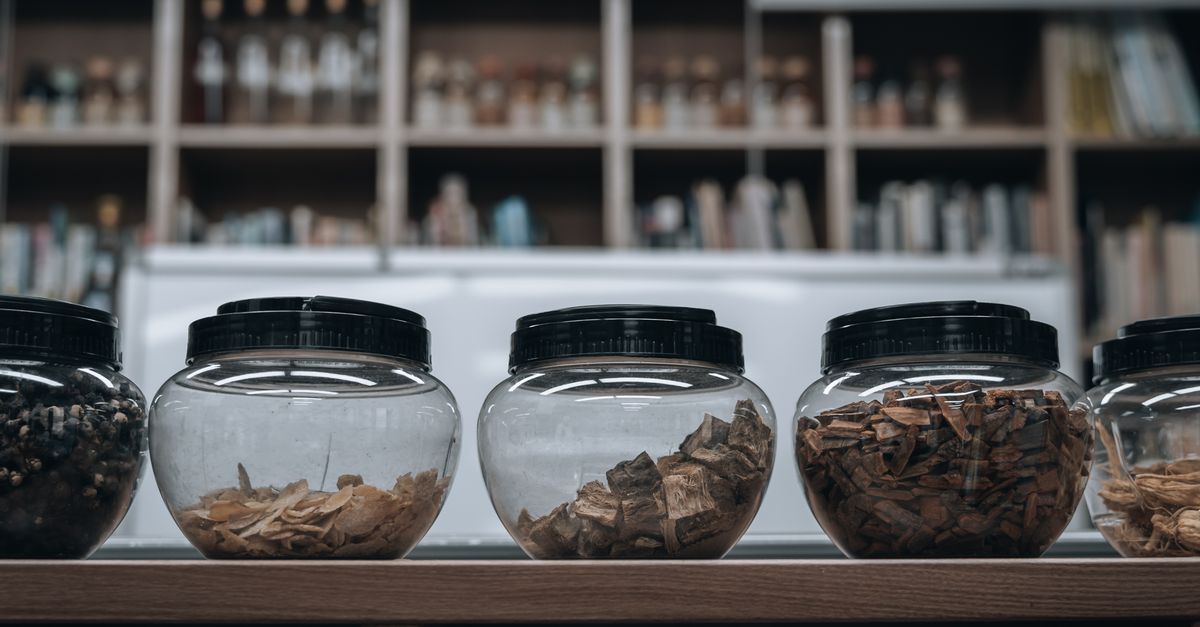
Herbal medicine (한약, hanyak) is a central part of Korean medicine. Rather than a single herb, prescriptions usually combine several ingredients chosen according to the patient's pattern of symptoms, constitution and Korean medicine diagnosis. Classical formulas are often adjusted for each person. Many clinics prepare decoctions in-house or through external preparation facilities and supply them in sealed pouches to drink daily. Standardised extract granules are also used.
Who is it for?
- People seeking complementary support for fatigue, poor appetite or recovery after illness
- Functional digestive complaints
- Menstrual discomfort and menopausal symptoms
- Cold sensitivity and stress-related symptoms
Herbal medicine should not replace evaluation and treatment of serious conditions, such as cancer, heart disease, uncontrolled diabetes or infections. People who are pregnant or breastfeeding, have liver or kidney disease, or take prescription medicines, especially blood thinners, diabetes or heart medicines, should discuss safety with both their medical and Korean medicine doctors.
What happens at the clinic
- Consultation: detailed questions about symptoms, sleep, digestion, temperature preference and history.
- Korean medicine diagnosis: pulse and tongue examination and sometimes constitutional assessment.
- Prescription: a formula is chosen and adjusted; ask for a list of ingredients.
- Preparation: decoctions are usually ready in a few days.
- Follow-up: review after a course to judge effect and side effects.
Treatment outlook
Some herbal formulas have been studied in clinical trials, with mixed results; for many traditional uses, high-quality evidence is limited. People often use herbal medicine for symptoms that conventional medicine finds hard to treat. Realistic expectations, clear goals and regular review are important.
Risks and side effects
Possible side effects include digestive upset, skin rash and, rarely, liver injury. Some herbs interact with prescription medicines. Quality and contamination are concerns with poorly regulated products, so choose licensed clinics. If you develop yellowing of the skin or eyes, dark urine, severe fatigue or abdominal pain, stop and seek medical care.
Choosing a clinic for herbal medicine in Seomyeon
- Ask for a written list of ingredients in English or Korean you can show your doctor.
- Tell the clinic about all medicines and supplements you take.
- Ask where the herbs are sourced and how quality is checked.
- Ask the total cost of the course before agreeing.
- Ask how long before you should expect a change, and when to stop.
For visitors
Check customs rules in your home country before travelling with herbal medicines, as some ingredients may be restricted. Seomyeon clinics are easily reached by Metro Lines 1 and 2.
Key facts
- Provider: licensed Korean medicine doctor
- Forms: decoction pouches (탕약), pills, granules, extracts
- Common uses: fatigue, digestive complaints, menstrual issues, cold sensitivity, recovery
- Course: often 10–30 days, then review
- Safety: possible liver effects, drug interactions, allergies
- Typical NHI coverage: most individualised decoctions are self-pay; some standard extract preparations may be covered
- Evidence: varies by formula; many uses have limited research
Frequently asked questions
Is Korean herbal medicine safe?
Most people tolerate prescribed formulas well, but side effects, rare liver injury and drug interactions can occur. Share all medicines with both your Korean medicine and medical doctors.
Does herbal medicine work?
Evidence varies. Some formulas have supportive trials, while many traditional uses have limited research. Discuss expected benefits and set a review point.
Can I take herbal medicine with prescription drugs?
Sometimes, but interactions are possible, especially with blood thinners, diabetes, heart and psychiatric medicines. Always tell both doctors what you are taking.
Is herbal medicine covered by insurance in Korea?
Most individualised herbal decoctions are self-pay. Some standardised herbal extract preparations may be covered by National Health Insurance for enrolled patients.
Can I bring Korean herbal medicine home?
Customs rules vary by country, and some animal or plant ingredients may be restricted. Ask for an ingredient list and check your home country's rules before travel.
Medical disclaimer: Seomyeon.Clinic is an independent information directory. Content is for general education and does not replace a consultation with a licensed physician. Suitability, risks, results and costs vary by person and clinic. In an emergency in Korea, call 119.