
VenaSeal Vein Closure in Seomyeon, Busan
VenaSeal vein closure (베나실) treats varicose veins by injecting a small amount of medical-grade cyanoacrylate adhesive into a refluxing leg vein through a catheter, sealing it shut without heat. In Seomyeon, Busan, it typically takes about 30–45 minutes under local anesthesia at a single entry point, without tumescent injections along the leg. Most people resume normal activities the same or next day.
Independent patient guide · Medically informative, not a substitute for a doctor's advice · Last reviewed:
What is VenaSeal?
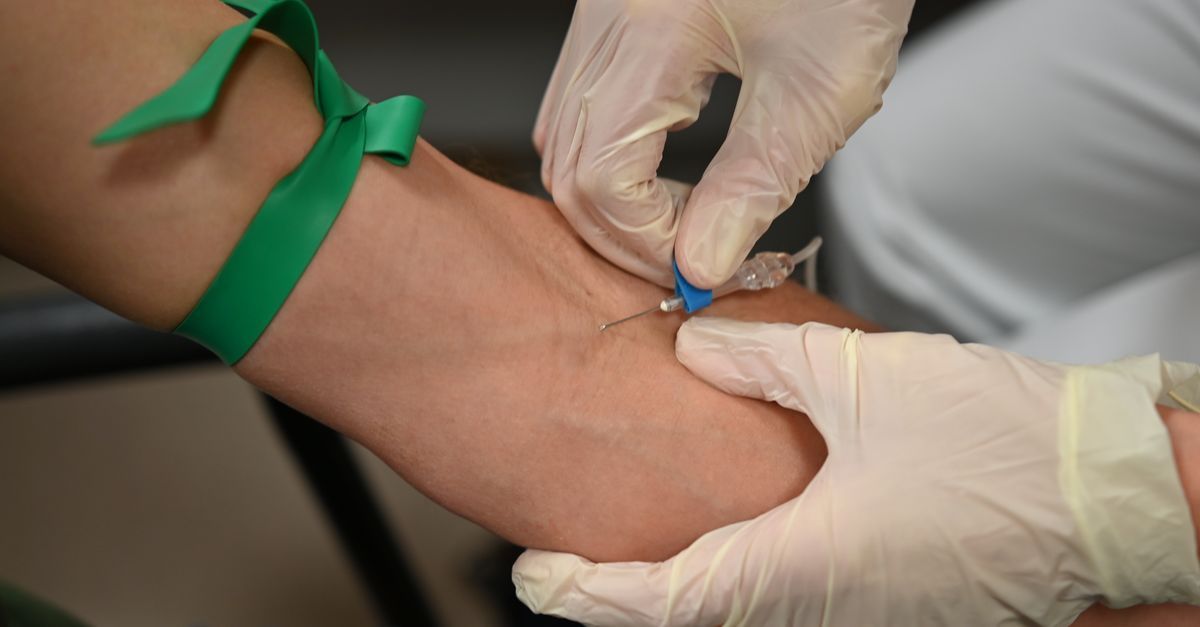
VenaSeal is a non-thermal, non-tumescent technique for closing faulty saphenous veins. A catheter is placed in the vein through a single puncture, and small amounts of adhesive are delivered at intervals while the doctor compresses the leg with the ultrasound probe, bonding the vein walls together. Because no heat is used, there is no need for multiple tumescent injections, and the risk of heat-related nerve injury is lower. The sealed vein is gradually absorbed over time.
Who is it for?
- People with symptomatic varicose veins and confirmed saphenous reflux
- Those wanting to avoid multiple needle injections or heat
- People who find compression stockings difficult to wear, depending on clinic protocol
- Veins near nerves where thermal injury risk is a concern
It is not suitable for people with known allergy to cyanoacrylate, current DVT or superficial thrombophlebitis in the target vein, or acute systemic infection. Very large or very superficial veins may need other approaches.
What happens at the clinic
- Ultrasound mapping: the refluxing vein is identified and marked.
- Access: local anesthetic is applied at one spot and a catheter introduced.
- Positioning: the catheter tip is placed a safe distance from the deep vein junction.
- Adhesive delivery: small doses are released while the vein is compressed, segment by segment.
- Completion: the catheter is removed and a small dressing applied.
Recovery and aftercare
Most people walk out and return to normal routines quickly. Some notice mild tenderness or a firm cord along the vein. Whether compression stockings are recommended varies between clinics. Avoid strenuous exercise for a few days and attend follow-up ultrasound. Visible branch veins may need separate sclerotherapy or phlebectomy.
Risks and side effects
- Phlebitis-like inflammatory reaction along the vein, which can cause redness, itching and tenderness for days to weeks
- Hypersensitivity or allergic reaction to the adhesive, uncommon
- Bruising at the access site
- Thrombus extension or DVT, uncommon
- Incomplete closure needing further treatment
Choosing a clinic for VenaSeal in Seomyeon
- Choose a vascular surgeon experienced with both thermal and non-thermal methods.
- Ask whether your vein anatomy is suitable for adhesive closure.
- Tell the doctor about any allergies, including to adhesives or acrylates.
- Ask how branch veins will be treated.
- Confirm costs and coverage in writing, as they may differ from thermal options.
Quick return to activity
The short recovery suits busy schedules. Seomyeon's location at the heart of Busan's metro network makes the follow-up scan easy to attend.
Key facts
- Treats: great and small saphenous and some accessory vein reflux
- Method: cyanoacrylate adhesive delivered by catheter under ultrasound
- Anesthesia: local at the entry point only; no tumescent anesthesia
- Procedure time: about 30–45 minutes
- Downtime: usually minimal; same or next day return to activity
- Compression: often not required, depending on clinic protocol
- Typical NHI coverage: may differ from thermal ablation; confirm before treatment
Frequently asked questions
What is VenaSeal glue made of?
VenaSeal uses a medical-grade cyanoacrylate adhesive designed for use inside veins. Small amounts seal the vein walls together, and the closed vein is gradually absorbed over time.
Is VenaSeal better than laser or radiofrequency?
Outcomes are broadly comparable. VenaSeal avoids heat and tumescent injections and often compression, while thermal methods have longer track records. Suitability depends on vein anatomy, allergies and coverage.
Do I need compression stockings after VenaSeal?
Many clinics do not require stockings after VenaSeal, but some recommend them, especially if branch veins are treated at the same time. Follow your doctor's advice.
Can I be allergic to VenaSeal?
Hypersensitivity reactions are uncommon but possible. Tell your doctor if you have reacted to acrylates, adhesives or nail products. A localised inflammatory reaction along the vein is more common and usually settles.
How soon can I return to work after VenaSeal?
Most people return to normal activities the same day or the next day. Avoid strenuous exercise for a few days and attend follow-up imaging.
Medical disclaimer: Seomyeon.Clinic is an independent information directory. Content is for general education and does not replace a consultation with a licensed physician. Suitability, risks, results and costs vary by person and clinic. In an emergency in Korea, call 119.