
Sclerotherapy in Seomyeon, Busan
Sclerotherapy (혈관경화요법) treats spider veins, reticular veins and smaller varicose veins by injecting a sclerosant solution or foam that irritates the vein lining so it collapses and fades. In Seomyeon, Busan, a session typically takes 15–45 minutes without anesthesia. Compression is usually worn afterward, and most people need 1–3 or more sessions spaced several weeks apart.
Independent patient guide · Medically informative, not a substitute for a doctor's advice · Last reviewed:
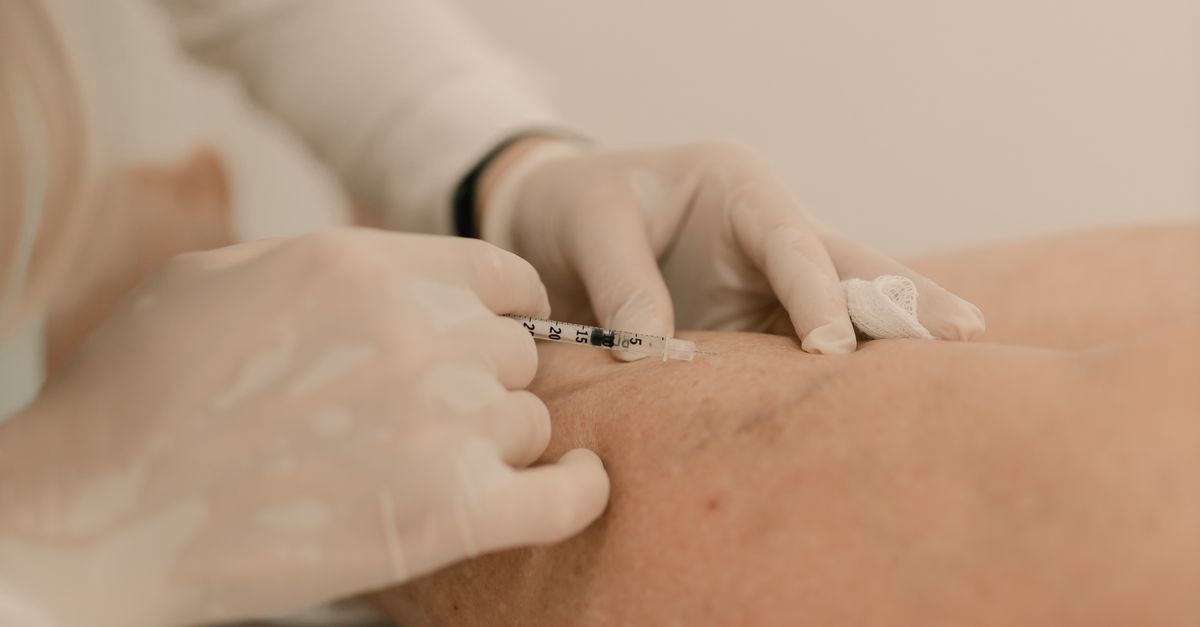
What is sclerotherapy?
Sclerotherapy is one of the oldest and most widely used vein treatments. A fine needle delivers a sclerosant into the target vein. The solution damages the inner wall, causing the vein to close and gradually be absorbed. For larger veins, the sclerosant can be mixed with air or gas to form foam, which displaces blood and contacts the vein wall more effectively. Ultrasound-guided foam sclerotherapy (UGFS) treats veins not visible on the surface.
Who is it for?
- People with cosmetic concern about spider or reticular veins on the legs
- Small varicose branches, or residual veins after ablation
- Some patients who are not candidates for catheter-based procedures
If large varicose veins or swelling are present, an ultrasound should check for underlying trunk reflux first; otherwise spider veins often recur. Sclerotherapy is avoided during pregnancy, with current DVT, and requires caution in people with a history of clots, migraine with aura or a known heart shunt (patent foramen ovale) when foam is used.
What happens at the clinic
- Assessment: examination and, for larger veins, duplex ultrasound.
- Preparation: legs are cleaned; photos may be taken.
- Injection: multiple tiny injections into target veins; you may feel brief stinging or cramping.
- Compression: cotton balls or pads and compression stockings are applied.
- Walk: a short walk is encouraged before leaving.
Recovery and aftercare
Wear compression as advised, often for several days to a couple of weeks. Walk daily, and avoid hot baths, saunas, sun exposure on treated areas and heavy exercise for a few days. Treated veins may look bruised or darker before fading over weeks to months. Spider veins often need more than one session.
Risks and side effects
- Bruising, itching and small raised areas at injection sites
- Hyperpigmentation (brown lines) that usually fades over months
- Telangiectatic matting: new fine red veins near the treated area
- Trapped blood in treated veins, which may be drained for comfort
- Rarely, skin ulceration, allergic reaction, visual disturbance or DVT
Choosing a clinic for sclerotherapy in Seomyeon
- Choose a doctor who checks for underlying reflux before treating spider veins.
- Ask which sclerosant and concentration they use.
- Ask whether foam or ultrasound-guided foam is appropriate for you.
- Ask about the number of sessions and interval.
- Ask how they manage pigmentation or matting if it occurs.
Seasonal timing
Many people schedule sclerotherapy in cooler months, since compression and sun avoidance are easier. Seomyeon clinics are a short ride on Line 1 or Line 2.
Key facts
- Treats: spider veins (telangiectasia), reticular veins, small varicose branches, residual veins after ablation
- Types: liquid sclerotherapy, foam sclerotherapy, ultrasound-guided foam for deeper veins
- Common agents: polidocanol, sodium tetradecyl sulfate
- Session time: about 15–45 minutes
- Sessions: often 1–3 or more, about 4–6 weeks apart
- Aftercare: compression stockings for a period; walking encouraged
- Typical NHI coverage: cosmetic spider vein treatment not covered
Frequently asked questions
How many sclerotherapy sessions do I need?
Many people need 1–3 sessions or more, spaced about 4–6 weeks apart, depending on the number and size of veins. Spider veins often require repeat treatment for best results.
Does sclerotherapy hurt?
Injections use very fine needles and cause brief stinging or cramping. Most people tolerate sclerotherapy without anesthesia. Mild tenderness and itching afterward usually pass within days.
When will I see results from sclerotherapy?
Spider veins usually fade over 3–6 weeks, while larger veins can take a few months. Bruising and darker discoloration may appear before improvement.
Will spider veins come back after sclerotherapy?
Treated veins usually stay closed, but new spider veins can develop over time. Treating underlying reflux, staying active and using compression during long standing can reduce recurrence.
Sclerotherapy or laser for spider veins: which is better?
Sclerotherapy is generally first-line for leg spider and reticular veins. Surface laser can help very fine veins or people who dislike needles. Some clinics combine both.
Medical disclaimer: Seomyeon.Clinic is an independent information directory. Content is for general education and does not replace a consultation with a licensed physician. Suitability, risks, results and costs vary by person and clinic. In an emergency in Korea, call 119.