
Spider Vein Treatment in Seomyeon, Busan
Spider vein treatment (모세혈관확장증 치료) removes small red, blue or purple surface veins (telangiectasias), usually with sclerotherapy injections on the legs or vascular laser on the face and fine leg veins. In Seomyeon, Busan, a session typically takes 15–45 minutes with little downtime. Most people need 2–3 sessions spaced about 4–6 weeks apart, and new spider veins can appear over time.
Independent patient guide · Medically informative, not a substitute for a doctor's advice · Last reviewed:
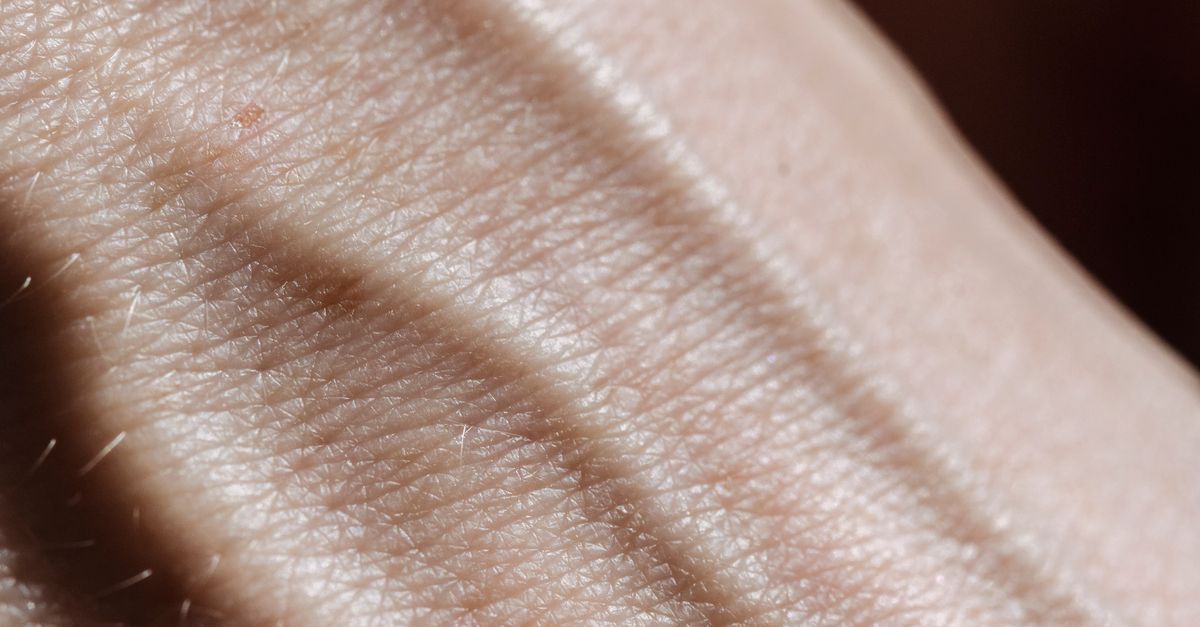
What are spider veins?
Spider veins are dilated small blood vessels close to the skin surface, often in web-like or branching patterns. On the legs they may be linked to genetics, hormones, pregnancy, standing for long periods and sometimes underlying venous reflux. On the face, they relate to sun damage, rosacea, genetics and ageing. They are usually harmless but can be a cosmetic concern, and leg spider veins sometimes cause mild aching or burning.
Who is it for?
- People bothered by visible leg or facial spider veins
- Those with spider veins persisting after treatment of larger varicose veins
- Patients with rosacea-related facial redness and vessels (with dermatology input)
If leg spider veins come with aching, swelling, bulging veins or skin changes near the ankle, a duplex ultrasound should check for underlying reflux, because treating only surface veins leads to quick recurrence. Pregnant women usually wait until after delivery, as many pregnancy-related veins improve.
What happens at the clinic
- Assessment: vein pattern, skin type and symptoms; ultrasound for leg veins when indicated.
- Method choice: sclerotherapy for most leg veins; laser for facial and very fine leg vessels.
- Treatment: fine needle injections or laser pulses with skin cooling.
- Aftercare setup: compression stockings after leg sclerotherapy; soothing care after facial laser.
- Review: the next session is planned once treated veins have faded.
Recovery and aftercare
After leg sclerotherapy, wear compression as advised, walk regularly and avoid hot baths and intense exercise for a few days. After facial laser, mild redness, swelling or small bruises can last a few days; use gentle skincare and sunscreen. Results appear over weeks, with treated vessels gradually fading.
Risks and side effects
- Bruising, itching, redness
- Brown staining along treated leg veins, usually fading over months
- New fine vessels (matting) near treated areas
- Laser: temporary purpura (bruise-like marks), rarely blisters or pigment changes
- Recurrence or new spider veins over time
Choosing a clinic for spider vein treatment in Seomyeon
- For legs, choose a vein specialist who checks for underlying reflux.
- For facial veins, choose a dermatologist with vascular lasers.
- Ask which method suits your vein size and skin type.
- Ask about expected sessions and maintenance.
- Ask how pigmentation or matting would be managed.
Timing your visit
Cooler months suit leg treatment because of compression and sun avoidance. Seomyeon's vein and skin clinics are a short walk from the metro.
Key facts
- Treats: fine thread-like veins on legs, face (nose, cheeks) and elsewhere
- Legs: sclerotherapy first-line; laser for very fine vessels
- Face: vascular lasers (e.g., pulsed dye, Nd:YAG) or IPL
- Session time: about 15–45 minutes
- Sessions: commonly 2–3, 4–6 weeks apart
- Downtime: minimal; bruising or redness for days
- Typical NHI coverage: not covered (cosmetic)
Frequently asked questions
What causes spider veins?
Genetics, hormones, pregnancy, ageing, prolonged standing and sun exposure (for facial veins) all contribute. Leg spider veins can sometimes signal underlying venous reflux, which should be checked if symptoms are present.
Sclerotherapy or laser for spider veins?
Sclerotherapy is usually first-line for leg spider veins. Lasers are preferred for facial veins and can help very fine leg vessels or people who cannot have injections.
How many sessions do spider veins need?
Most people need 2–3 sessions spaced about 4–6 weeks apart. Large areas or stubborn vessels may need more, plus occasional maintenance.
Are spider veins dangerous?
Spider veins themselves are generally harmless. However, leg symptoms like aching, swelling or skin changes suggest underlying venous disease that may need evaluation and treatment.
Can spider veins come back?
Treated veins usually stay closed, but new ones can form over time due to genetics and lifestyle factors. Compression during long standing, sun protection for facial veins and maintenance sessions help.
Medical disclaimer: Seomyeon.Clinic is an independent information directory. Content is for general education and does not replace a consultation with a licensed physician. Suitability, risks, results and costs vary by person and clinic. In an emergency in Korea, call 119.