
Venous Leg Ulcer Treatment in Seomyeon, Busan
Venous leg ulcer treatment (정맥성 궤양 치료) heals open wounds near the ankle caused by long-term high pressure in leg veins. In Seomyeon, Busan, care usually combines wound cleaning and dressings, strong compression bandaging or stockings after checking arterial blood flow, leg elevation, and treating underlying vein reflux. Healing often takes weeks to months, and ongoing compression helps prevent recurrence.
Independent patient guide · Medically informative, not a substitute for a doctor's advice · Last reviewed:
What is a venous leg ulcer?
Venous ulcers are the most common type of chronic leg wound. When vein valves fail or veins are damaged by previous clots, pressure in the lower leg stays high. Over time this inflames the skin, causing brown discoloration, hardening and eventually breakdown into an open wound, usually around the inner ankle. Ulcers are often shallow with irregular edges and can produce significant fluid.
Symptoms and when to see a doctor
- An open sore near the ankle that has not healed in two weeks
- Surrounding brown or red discoloration, hardened or itchy skin
- Leg swelling, heaviness or varicose veins
- Increasing pain, spreading redness, warmth, pus or fever (possible infection)
Ulcers on the toes or feet, very painful wounds, or those in people with diabetes may have arterial causes and need urgent assessment.
What happens at the clinic
- Assessment: wound size, depth, appearance and surrounding skin; photos for tracking.
- Circulation check: ankle-brachial index or arterial ultrasound to confirm it is safe to compress.
- Venous duplex ultrasound: identifies reflux or obstruction.
- Wound care: cleaning, removal of dead tissue when needed, and dressings suited to wound fluid.
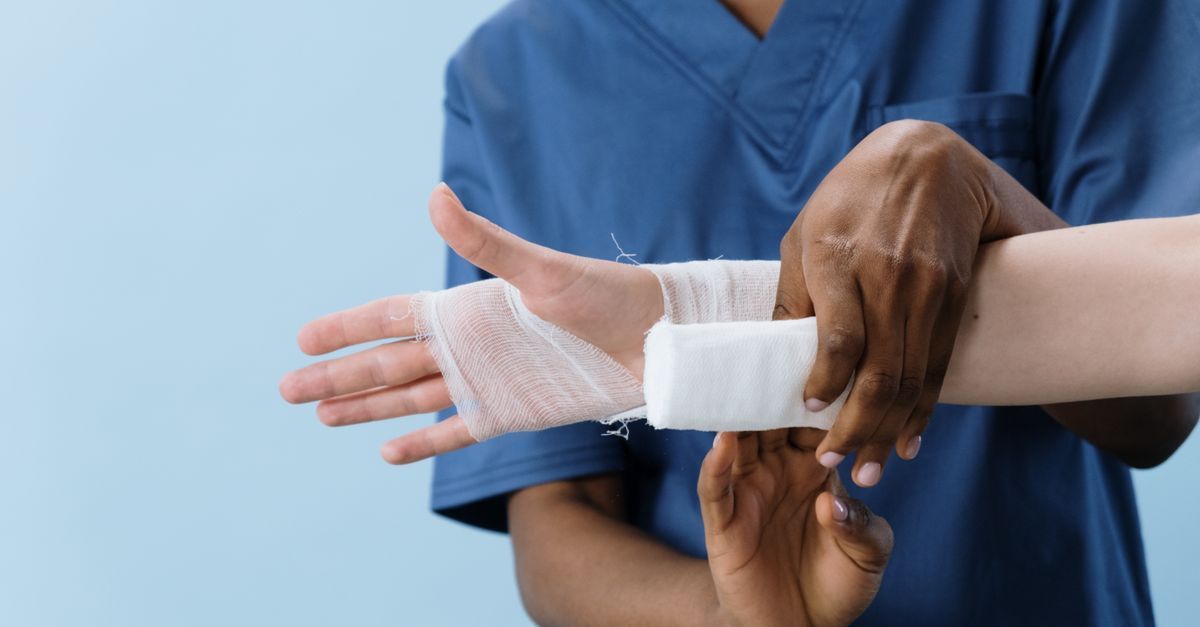
- Compression: multilayer bandages or ulcer stocking kits, changed regularly.
- Vein treatment: ablation of superficial reflux when present, often during healing.
Treatment outlook
With consistent compression and wound care, many venous ulcers heal over weeks to months. Large or long-standing ulcers take longer. Treating superficial vein reflux has been shown to speed healing and reduce recurrence. After healing, lifelong compression and skin care help prevent new ulcers.
Risks and considerations
- Infection (cellulitis), requiring antibiotics
- Allergic reactions to topical products on fragile skin
- Compression is unsafe if arterial disease is significant
- Recurrence is common without ongoing compression
- Rarely, long-standing non-healing wounds need biopsy to exclude other causes
Choosing a clinic for venous ulcer treatment in Seomyeon
- Choose a clinic experienced in both vascular assessment and wound care.
- Ask whether arterial circulation is checked before compression.
- Ask how often dressings and bandages will be changed and by whom.
- Ask whether vein ablation is recommended to help healing.
- Ask about long-term compression after the ulcer heals.
Regular visits
Ulcer care often needs weekly or more frequent visits. Seomyeon's location at the meeting point of Lines 1 and 2 makes regular dressing appointments more manageable.
Key facts
- Condition: open wound from chronic venous hypertension, often above the inner ankle
- Key treatment: compression therapy (bandages or stockings)
- Before compression: arterial assessment, e.g., ankle-brachial index
- Wound care: cleansing, appropriate dressings, managing exudate and surrounding skin
- Vein treatment: ablation of superficial reflux can speed healing and reduce recurrence
- Healing time: often weeks to months
- Typical NHI coverage: medical wound care generally covered for enrollees
Frequently asked questions
How long does a venous leg ulcer take to heal?
Many heal within weeks to a few months with consistent compression and wound care. Larger, older ulcers or those with other health problems may take longer. Treating vein reflux can speed healing.
Why is compression so important for venous ulcers?
Compression counteracts the high pressure in leg veins that causes ulcers, reduces swelling and improves healing. It is the cornerstone of treatment, provided arterial circulation is adequate.
Can venous ulcers come back?
Yes, recurrence is common. Wearing compression stockings long-term, treating vein reflux, staying active, moisturising skin and elevating legs help prevent new ulcers.
How do I know if my leg ulcer is infected?
Signs include increasing pain, spreading redness, warmth, swelling, pus, a bad smell or fever. Seek medical care promptly, as antibiotics may be needed.
Is a leg ulcer always caused by veins?
No. Arterial disease, diabetes, pressure, infection, inflammatory conditions and rarely skin cancer can cause leg ulcers. Proper assessment identifies the cause and the right treatment.
Medical disclaimer: Seomyeon.Clinic is an independent information directory. Content is for general education and does not replace a consultation with a licensed physician. Suitability, risks, results and costs vary by person and clinic. In an emergency in Korea, call 119.