
Wisdom Tooth Extraction in Seomyeon, Busan
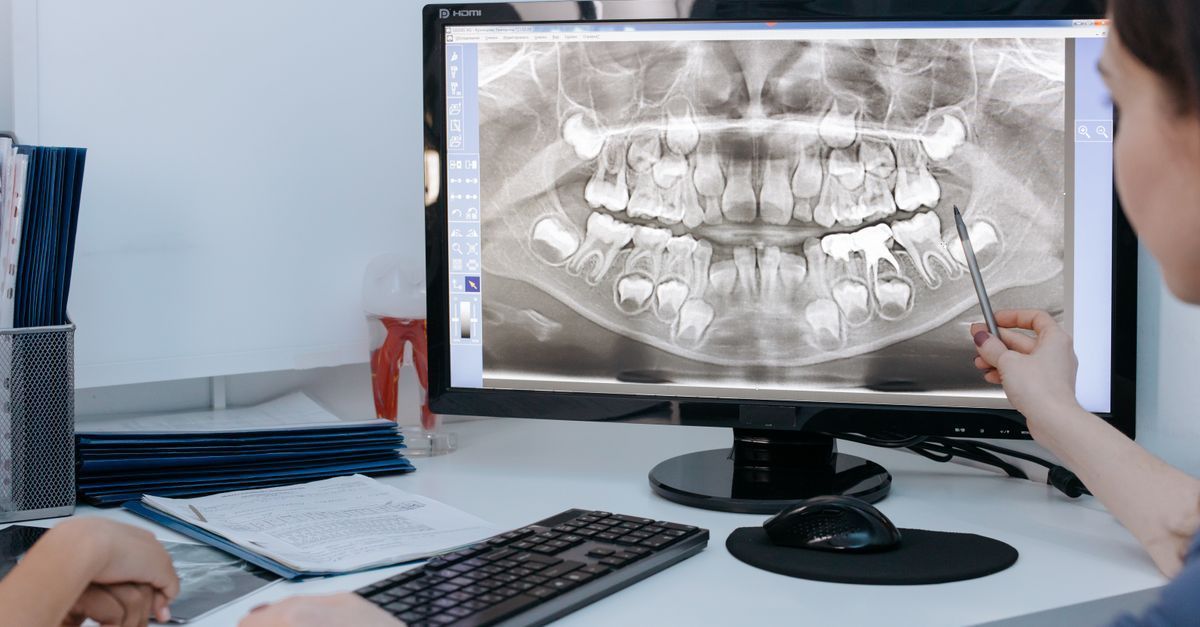
Wisdom tooth extraction (사랑니 발치) is the removal of third molars that are impacted, decayed, infected or crowding neighbouring teeth. In Seomyeon, dental clinics usually take an X-ray or CT scan first, then remove the tooth under local anesthesia in about 20–60 minutes. Swelling typically peaks at 2–3 days, and most people are back to normal within about a week.
Independent patient guide · Medically informative, not a substitute for a doctor's advice · Last reviewed:
What is wisdom tooth extraction?
Wisdom teeth are the third molars at the very back of the mouth, usually appearing in the late teens or twenties. Many jaws lack space for them, so they may grow sideways, stay partly under the gum (impacted) or come in at an angle, trapping food and bacteria. Extraction removes the tooth before or after it causes problems.
Symptoms and when to see a dentist
- Pain, swelling or a bad taste around the back of the jaw
- Repeated gum infection over a partly erupted tooth
- Decay in the wisdom tooth or the molar in front of it
- Difficulty opening the mouth or swallowing
Not every wisdom tooth needs removing. Fully erupted, healthy, cleanable teeth may simply be monitored.
What happens at the clinic
- Imaging: a panoramic X-ray shows the tooth position; a CT scan is taken if the roots are close to the inferior alveolar nerve.
- Consent: the dentist explains difficulty, risks and whether one or several teeth will be removed.
- Anesthesia: local anesthetic numbs the area; sedation may be offered for anxious patients.
- Removal: an erupted tooth may be lifted out simply. An impacted tooth needs a small gum incision and may be sectioned into pieces.
- Closure: the socket is cleaned, stitched if needed, and you bite on gauze to control bleeding.
Recovery and aftercare
Keep biting on gauze for the time advised. Use cold compresses on the first day, eat soft cool food, and avoid smoking, alcohol, straws and vigorous rinsing for several days, as these can dislodge the blood clot. Take prescribed medicine as directed. Swelling and stiffness usually peak around day 2–3 and then improve.
Risks and side effects
Common effects include swelling, bruising and jaw stiffness. Dry socket, where the clot is lost, causes increasing pain a few days later and needs a dental review. Less commonly, the lower lip or tongue may feel numb because of nerve irritation; this is usually temporary but can occasionally persist. Upper teeth near the sinus can, rarely, create a small sinus opening.
Choosing a clinic for wisdom tooth extraction in Seomyeon
- For deeply impacted lower teeth, ask whether an oral and maxillofacial surgeon or experienced extraction dentist performs the procedure.
- Ask whether a CT scan will be taken if the roots look close to the nerve.
- Ask whether both sides can be done at once or should be staged.
- Check whether sedation is available if you are anxious.
- Confirm the follow-up plan for stitch removal and what to do if pain increases after day 3.
Timing for visitors
Allow about a week in Busan after extraction for review and stitch removal, and avoid booking long flights in the first few days. Seomyeon is reachable from the airport via Sasang on Line 2.
Key facts
- Reasons: impaction, repeated gum infection (pericoronitis), decay, cysts, crowding
- Procedure time: about 20–60 minutes per tooth
- Anesthesia: local; sedation available at some clinics
- Imaging: panoramic X-ray; CT if close to the nerve
- Downtime: 2–3 days of swelling; about a week to feel normal
- Stitches: usually removed after about 7 days
- Typical NHI coverage: medically necessary extraction is generally an NHI-covered treatment for enrolled patients
Frequently asked questions
How long does wisdom tooth extraction take?
A simple extraction may take about 20 minutes; a deeply impacted tooth can take an hour. Plan for extra time at the clinic for imaging, consent and post-operative instructions.
How painful is recovery after wisdom tooth removal?
Discomfort and swelling usually peak at 2–3 days and are managed with prescribed medicine. Pain that worsens after day 3 may signal dry socket and should be checked.
Should I remove all four wisdom teeth at once?
It depends on difficulty and your preference. Some people prefer one session; others remove one side at a time so they can still chew comfortably on the other side.
Can I fly after wisdom tooth extraction?
Many people fly a few days later without problems, but it is wise to stay until the first review. Ask the dentist for advice, especially after upper tooth removal near the sinus.
Is wisdom tooth removal covered by insurance in Korea?
Medically necessary extraction is generally covered by NHI for enrolled patients, though CT scans or sedation may be charged separately. Visitors without NHI pay privately.
Medical disclaimer: Seomyeon.Clinic is an independent information directory. Content is for general education and does not replace a consultation with a licensed physician. Suitability, risks, results and costs vary by person and clinic. In an emergency in Korea, call 119.